




Natural History Dome
A natural history dome brings scientific curiosity and preserved specimen artistry indoors, capturing Victorian taxidermy or shells beneath clear glass.
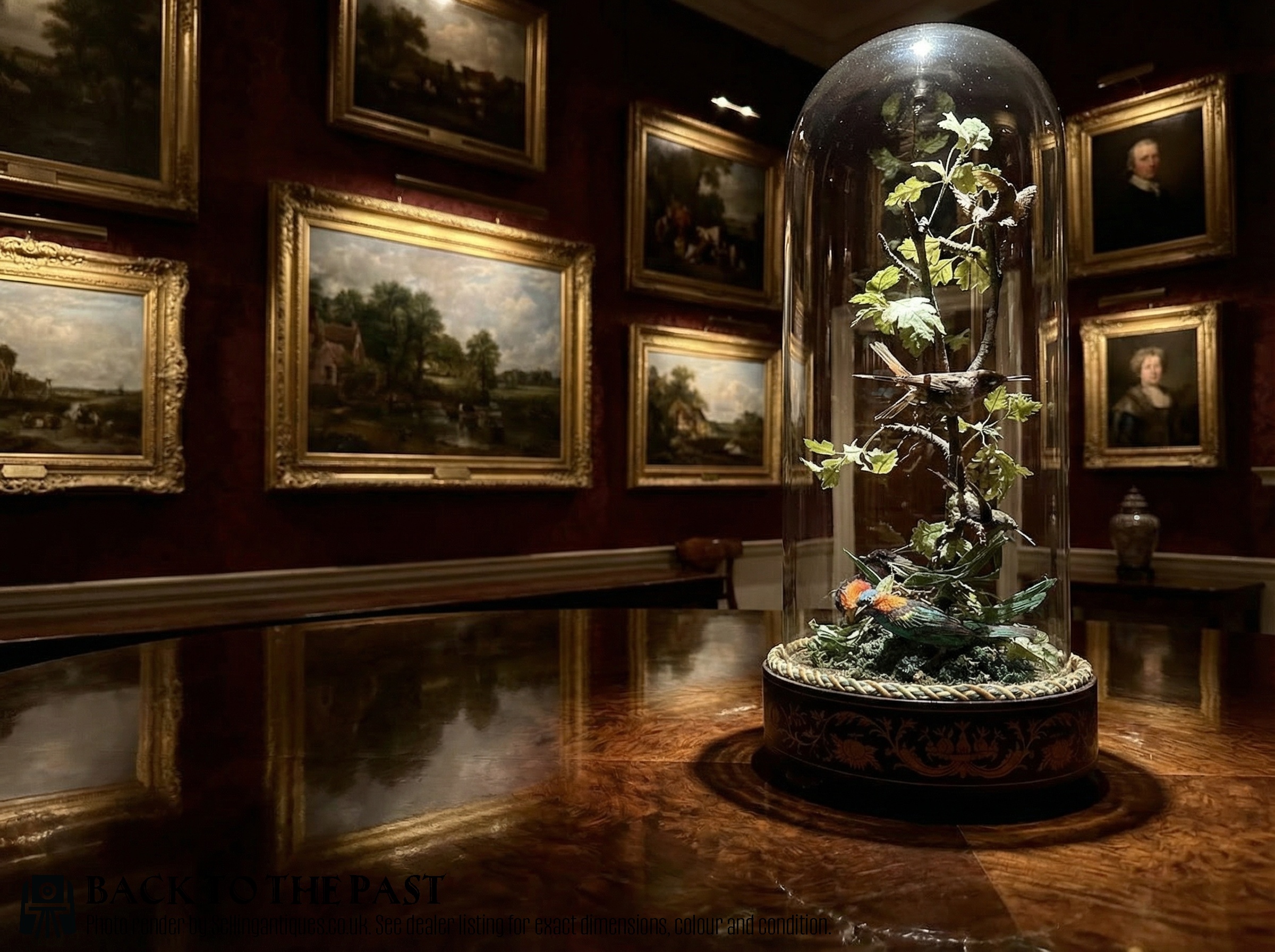
Natural History Dome
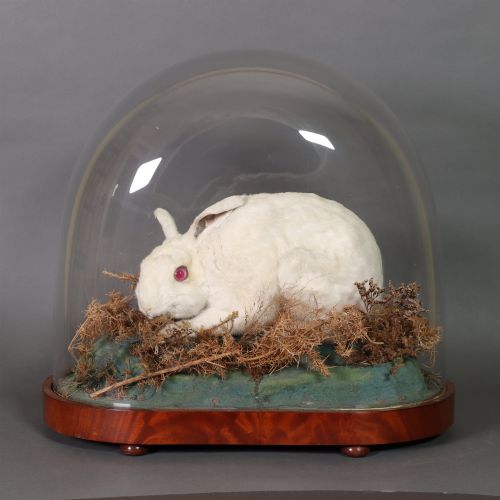
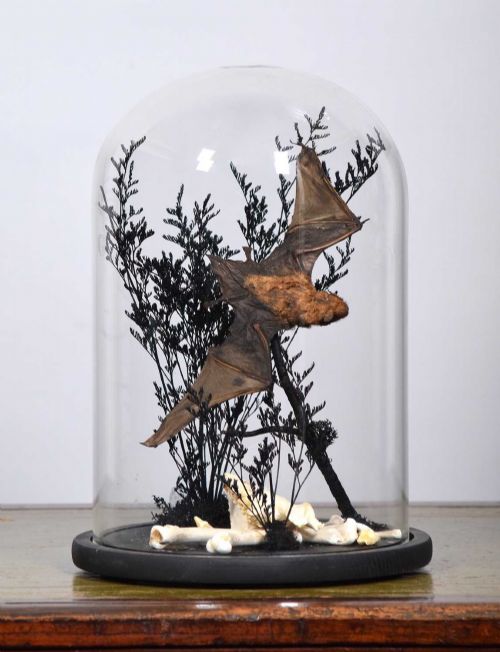
A natural history dome combines taxidermy or shells with protective glass covers, originating in the nineteenth century. Buyers searching this phrase encounter Victorian and Edwardian examples featuring birds, bats, rabbits, skulls, and nautilus shells.
The most common formats on this page are tall display domes and flat-sided domes housing specimens mounted on natural vegetation. These pieces reflect the nineteenth-century passion for natural philosophy and interior display.
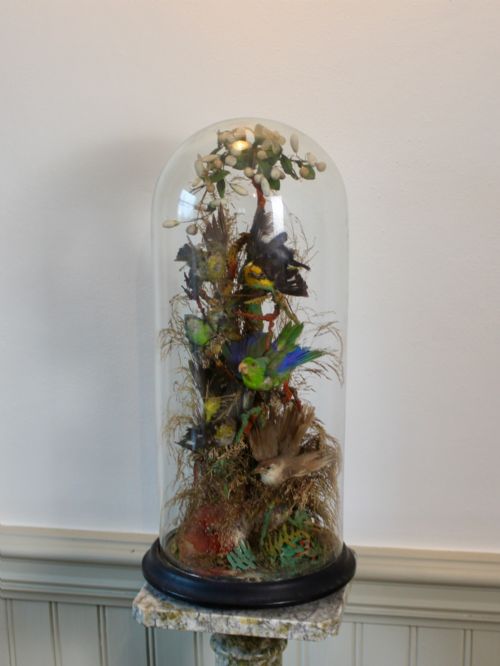
Origins span English workshops and professional taxidermists, creating compositions that range from single specimens to complex arrangements of multiple colourful birds.
Materials and construction
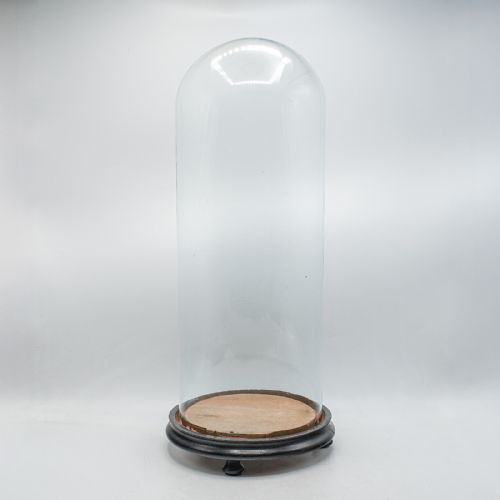
Maker construction relies on blown or pulled glass fitted to timber or ebonised wood bases. Specimens inside utilise natural vegetation, bone, fur, and feathers arranged carefully within the confined space.
Taxidermy techniques of the period involved preserving animal skins over armature frameworks, paired with meticulous feather and fur grooming. Glass covers protected these delicate interior compositions from dust and humidity.
Natural History Dome Retail Price Guide 2026
Typical asking prices for natural history dome among the pieces listed under this phrase on Sellingantiques today, from the lower quarter to the upper quarter. They describe what is for sale here now, not the wider market.
Pipistrelle bats and snow buntings rub shoulders with exotic birds of paradise beneath the same nineteenth-century glass.
Judging quality in specimens and glass
Quality rests on the complexity of the interior composition and the skill of the taxidermist. Multi-bird arrangements or named makers elevate an example above simpler single-specimen displays.
The clarity and age of the glass dome itself influence worth, alongside the stability and finish of the ebonised wood or timber base.
James Gardner of London·Henry Ward London·A Pollard
The Natural History Dome Glossary
- Cloche
- A bell-shaped glass cover used to protect delicate objects and specimens. It sits directly on a base without mechanical fixings.
- Ebonised wood
- Timber treated to imitate ebony, commonly used for the circular or oval bases of nineteenth-century domes. This dark finish provided a contrasting frame for colourful birds and pale bone.
- Taxidermy
- The art of preparing, stuffing, and mounting animal skins for permanent display. Victorian practitioners created naturalistic poses set among artificial or dried vegetation.
- Specimen
- An individual animal, plant, or shell selected for scientific study or display. In these domes, specimens showcase regional or exotic fauna.
Natural History Dome: Frequently Asked Questions
Where should I place a dome?
Position your dome away from direct sunlight and damp environments to protect fragile feathers, fur, and historic timber bases. Stable indoor room temperatures prevent the preservation materials from degrading over time.
Choose a sturdy sideboard or table where the piece will not be knocked or vibrated. Good placement ensures the display remains safe while visible from multiple angles.
Are Victorian domes fragile?
The blown glass covers are delicate and require careful handling during moving or cleaning. Internal taxidermy specimens also need gentle treatment because historical preservation materials become brittle with age.
Keep the dome assembled whenever possible to protect the contents from dust and accidental contact. Lift the glass only when maintenance requires it.
What animals appear in these domes?
Nineteenth-century displays feature British and exotic fauna, including birds of paradise, snow buntings, bats, rabbits, and animal skulls. Nautilus shells also appear preserved beneath glass.
Compositions range from solitary specimens to complex groupings of colourful birds set among natural vegetation.