





Glass Display Case
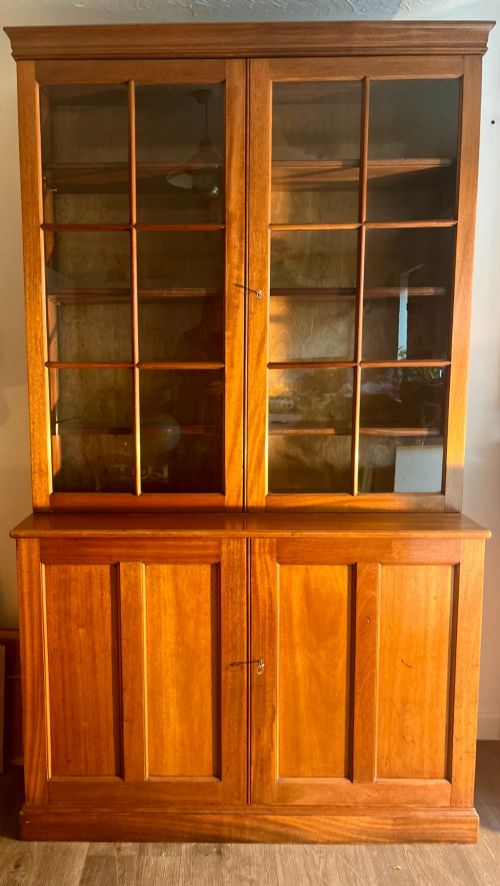
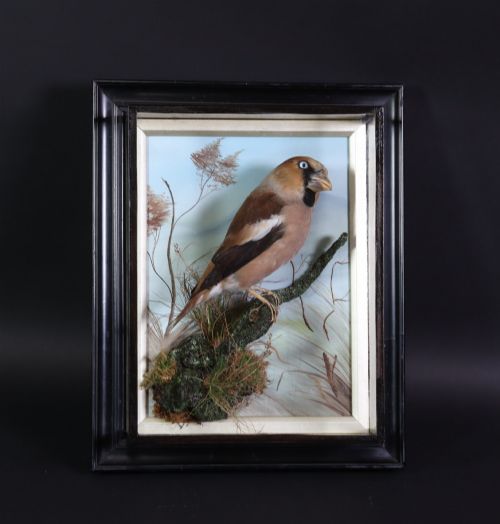
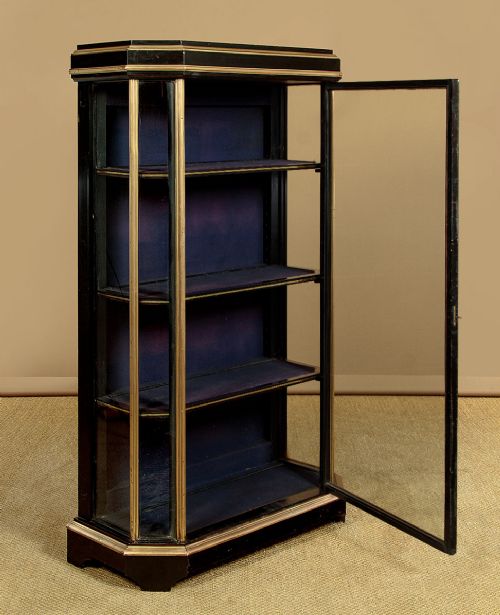
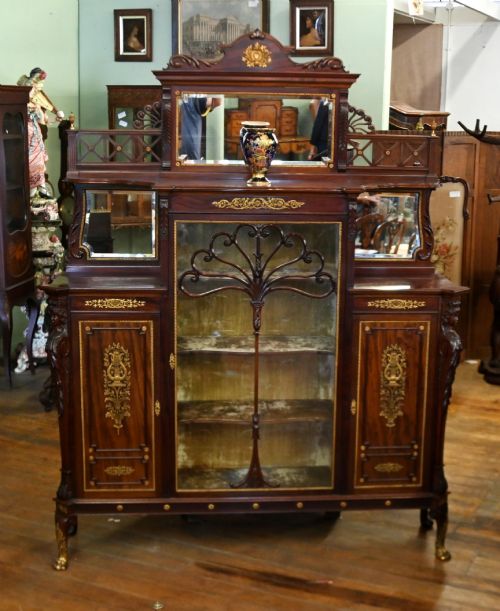
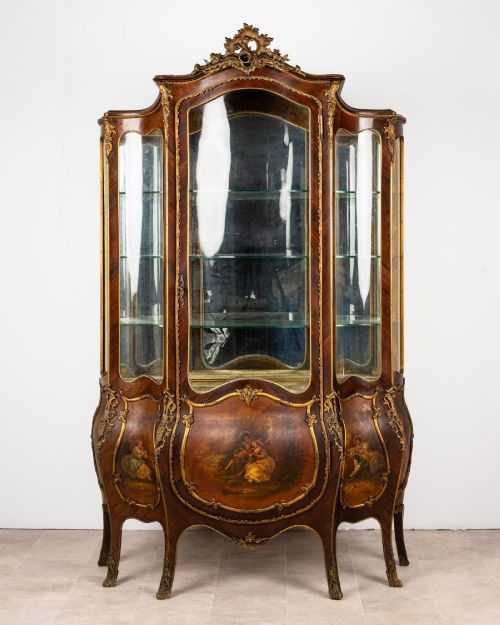
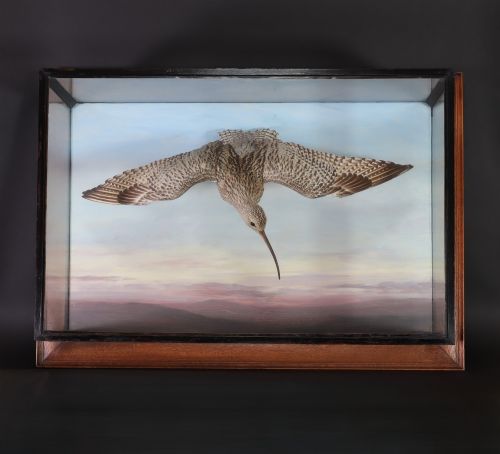
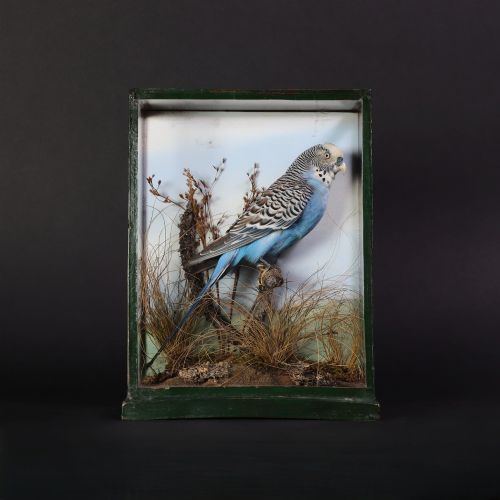
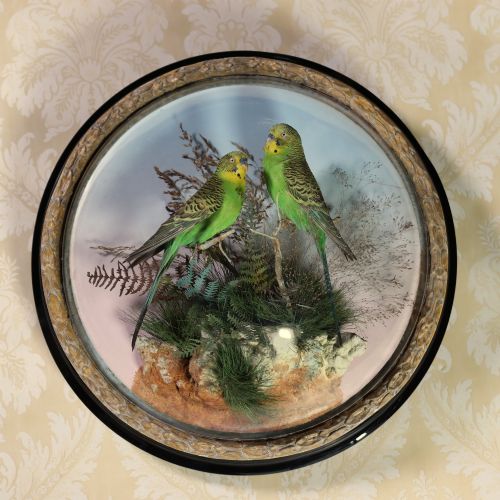
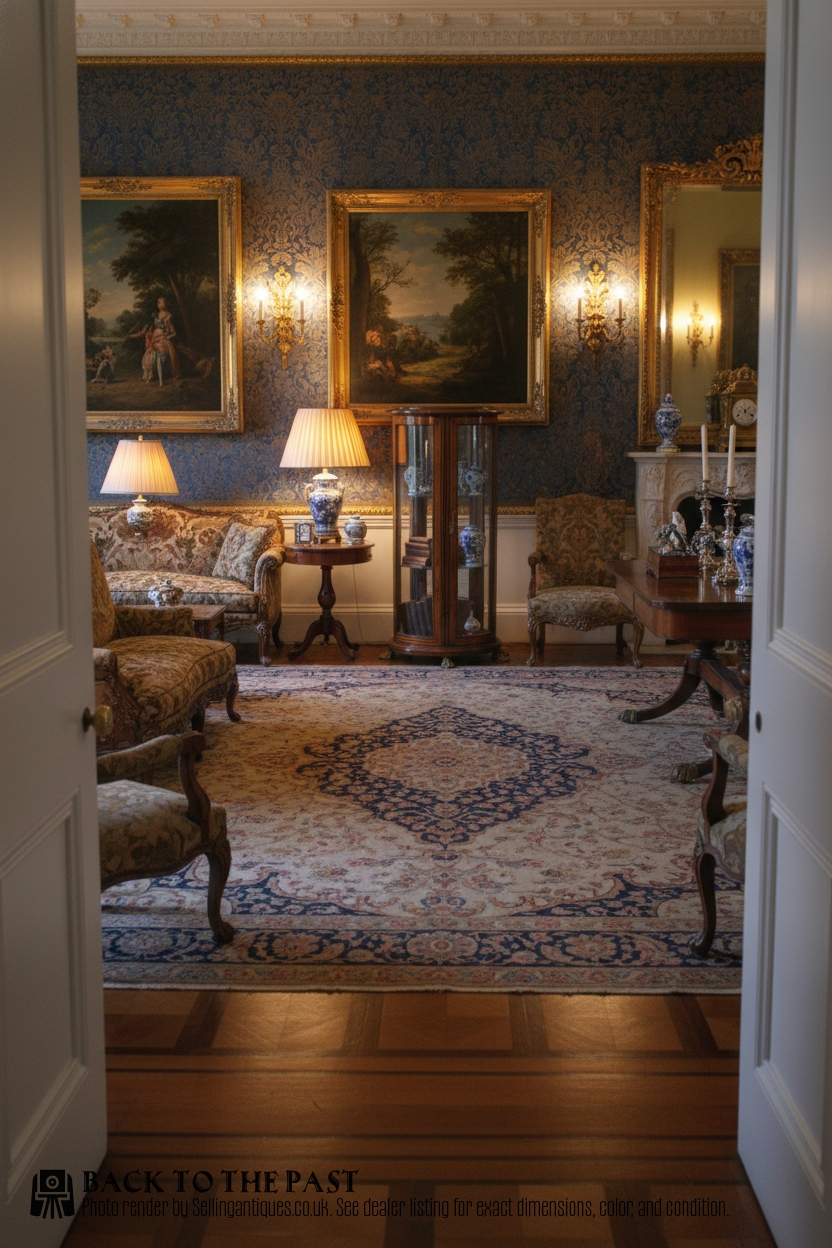
These glass display case examples gather nineteenth century vitrines, counter cabinets and domes designed to hold collectibles, taxidermy and small treasures.
Glass Display Case
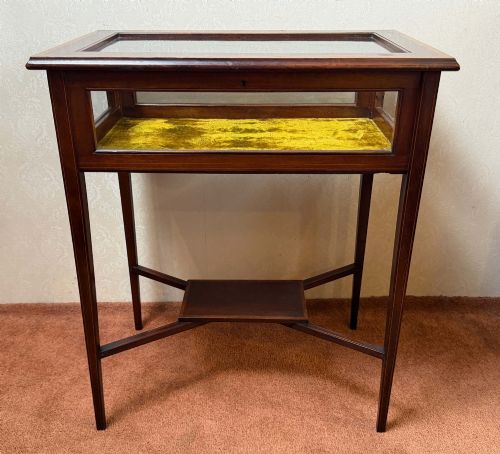
A glass display case encompasses freestanding furniture like vitrines alongside tabletop domes, counter cabinets and wall cases. The pieces here bridge domestic and retail spaces, housing items from delicate butterflies to medals and ceramics.
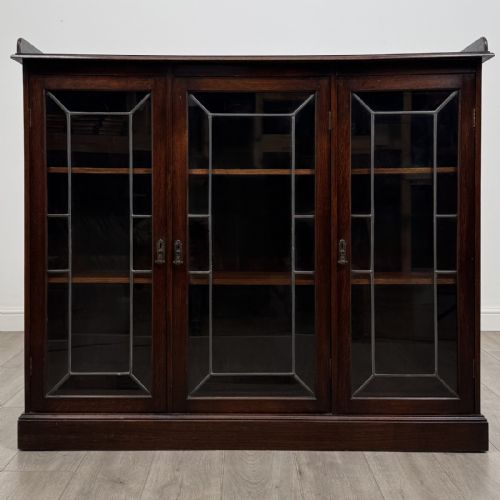
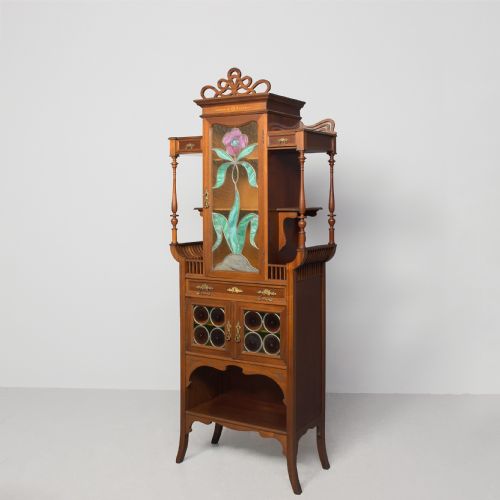
Nineteenth century and Edwardian pieces dominate the selection, showing French Louis XV style influences alongside English oak and mahogany cabinetwork. Vitrines and bijouterie cabinets sit alongside simple glass domes and shop counters.
Evaluating the Pieces
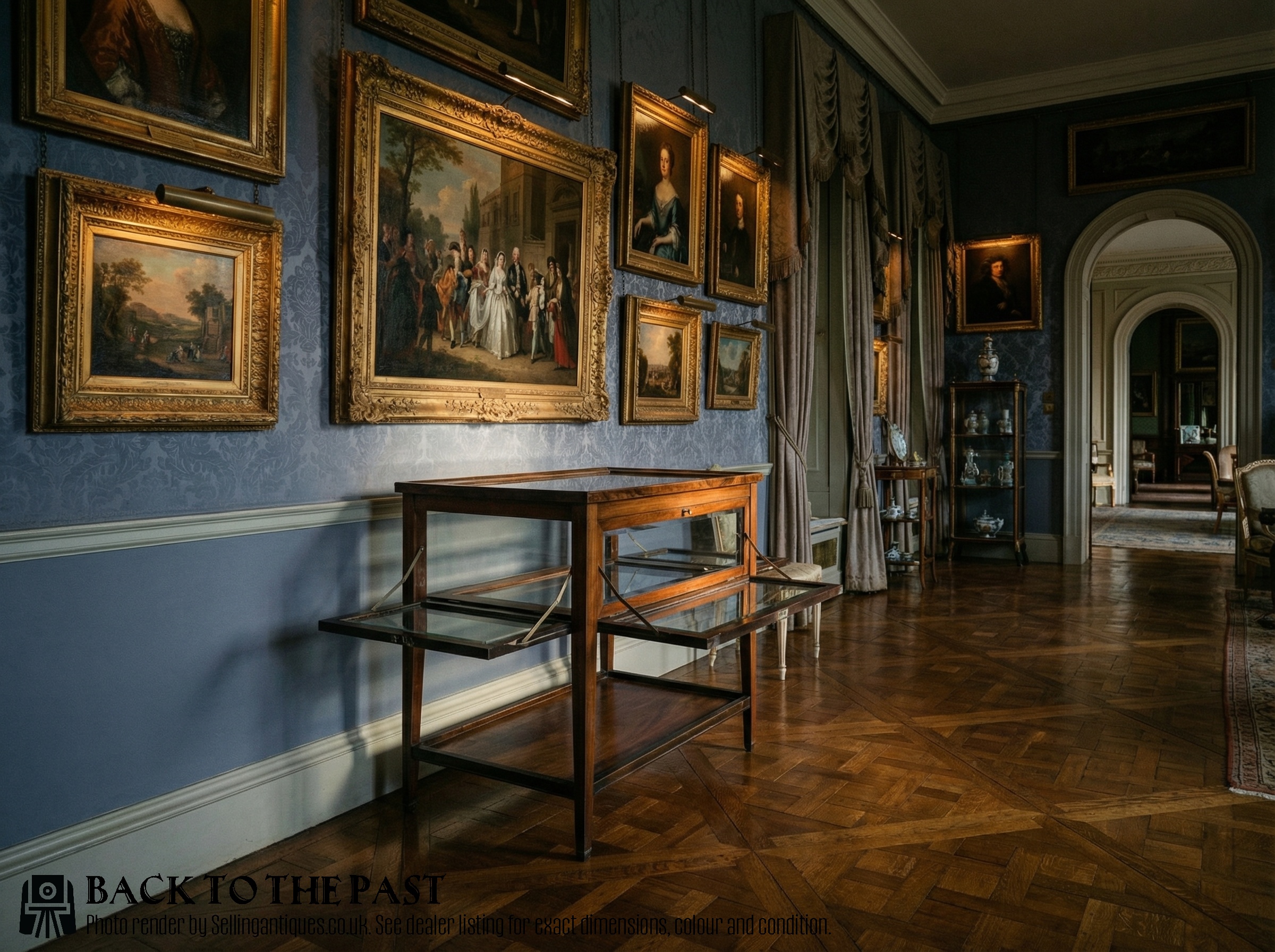
Superior examples demonstrate refined timber selection and precise cabinetmaking, particularly where complex curves, fine inlays or cast ormolu mounts integrate smoothly with the frame. The clarity and weight of the glass panes also indicate a higher standard of manufacture.
The integration of functional elements such as tight-fitting lockable doors, original brass castors, and intact interior fabric linings distinguishes better workshop production from standard retail utility pieces.
Glass Display Case Retail Price Guide 2026
Typical asking prices for glass display case among the pieces listed under this phrase on Sellingantiques today, from the lower quarter to the upper quarter. They describe what is for sale here now, not the wider market.
Recorded forms include French vitrines, English shop counters, taxidermy domes, and tabletop bijouterie cases.
Davis & Co
The Glass Display Case Glossary
- Vitrine
- A glass-sided cabinet designed specifically for displaying fine objects and porcelain. These often feature glazed doors and delicate wooden frames.
- Bijouterie
- A low display table or cabinet with a glazed top and sides, created for holding jewellery, medals, and small collectors' items. The interior is usually lined with velvet.
- Cloche
- A bell-shaped glass dome used to cover and protect specimens, taxidermy, or ornaments. It rests directly on a circular wooden or leather base.
- Ormolu
- Gilt bronze mounts applied to furniture, particularly French pieces from the nineteenth century. It adds decorative contrast against dark woods like kingwood and mahogany.
Glass Display Case: Frequently Asked Questions
What fits inside a bijouterie cabinet?
Bijouterie cabinets suit small flat items like coins, medals, and jewellery. Their shallow glazed compartments keep delicate items visible and secure.
Larger table top versions also accommodate specimen shells and small natural history artefacts safely.
How do glass domes attach to their bases?
Glass display domes rest in a grooved wooden or leather base without permanent fixings. This allows the cover to lift off easily for access to the interior.
Most bases feature a turned rim that centres the glass securely.
Where were counter display cases used?
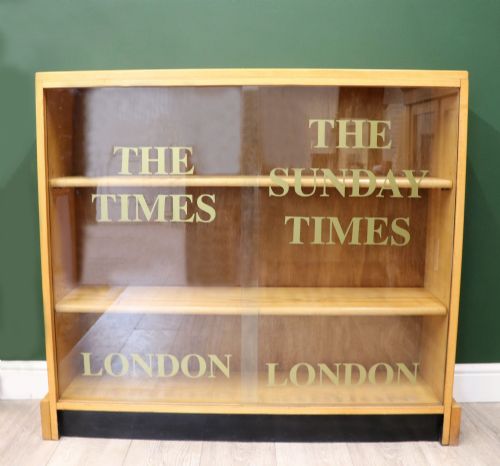
Shop counter display cases served nineteenth and early twentieth century retailers to showcase small goods to customers. Retailers utilised them for chocolates, haberdashery, and tobacco products.
Later examples sometimes carry original sign-writing from those businesses.
How do I care for antique velvet linings?
Original fabric linings require gentle dusting with a soft brush rather than liquid cleaners. Keeping the cabinet away from direct sunlight prevents the velvet colours from fading.
Good air circulation inside the case helps preserve aged textiles.