

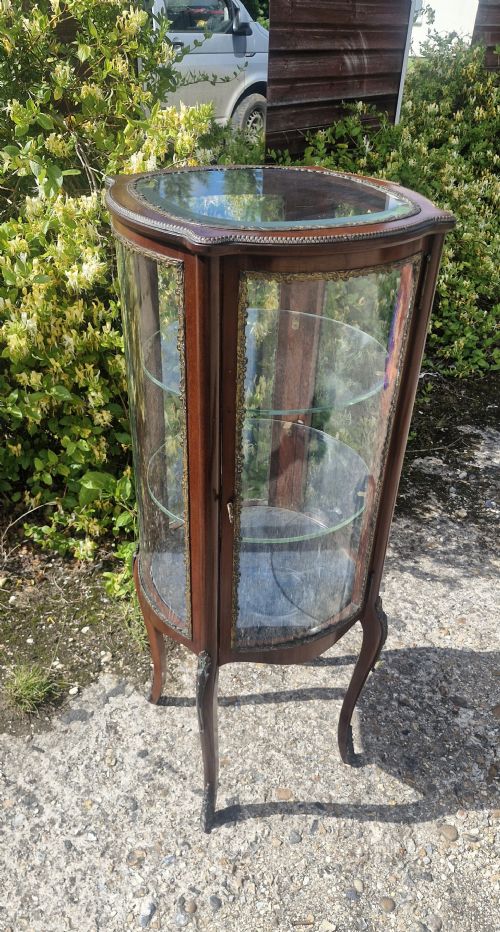


French Bijouterie Cabinet
A french bijouterie cabinet brings miniature treasures into plain view, framing small valuables behind glass with polished mounts.
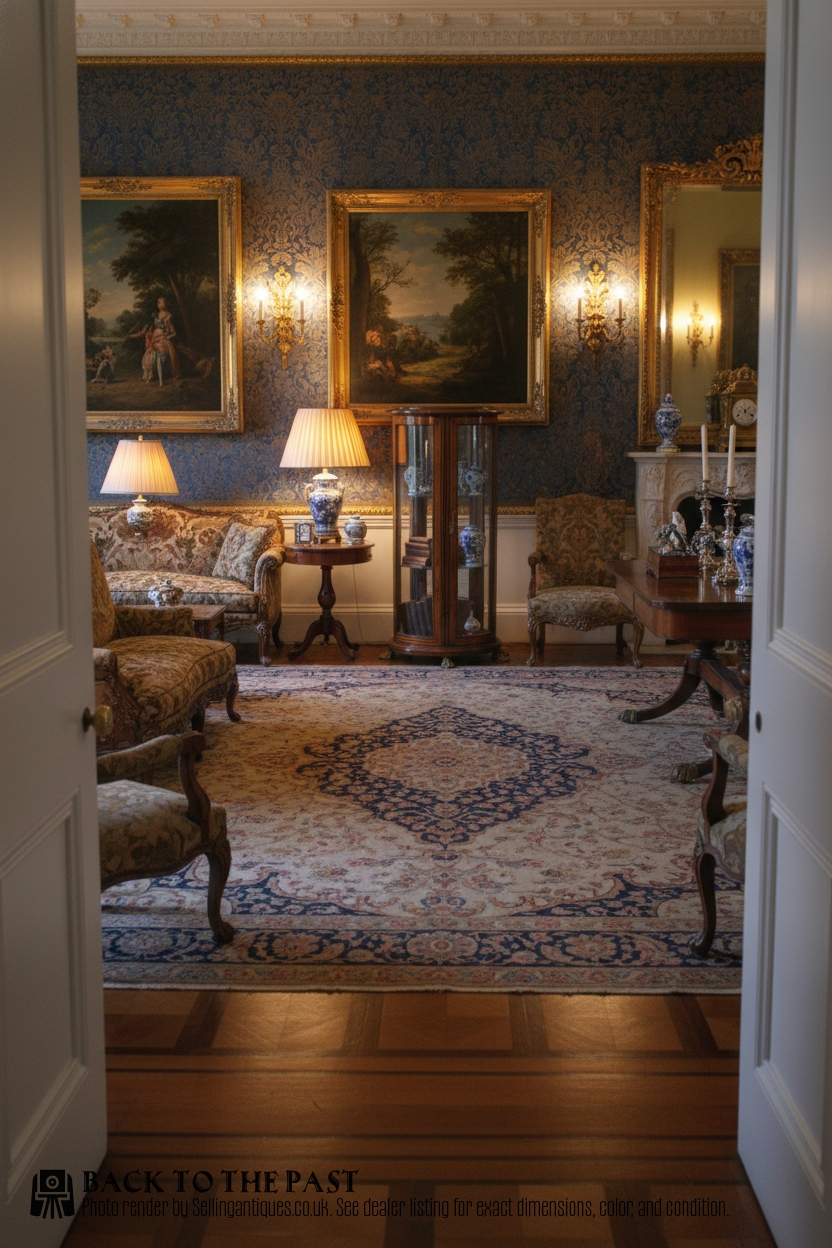
French Bijouterie Cabinet
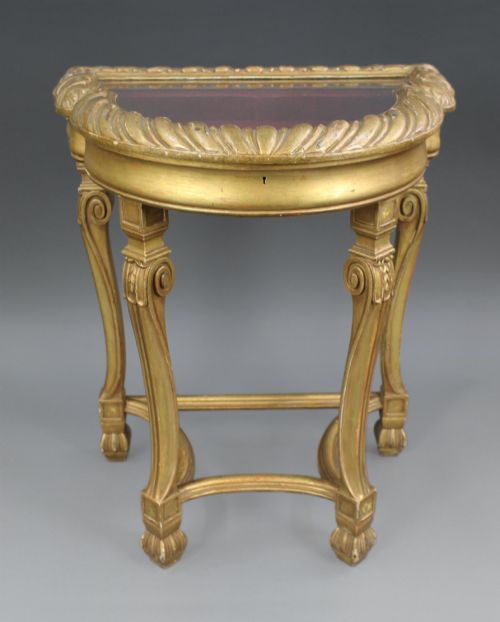
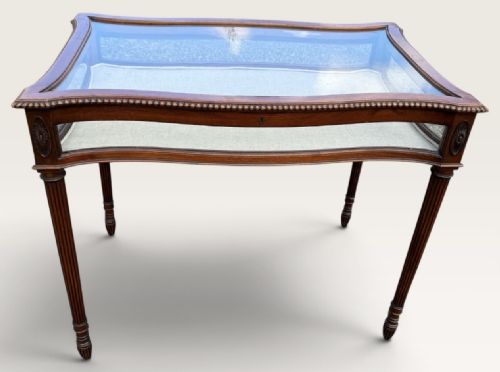
A french bijouterie cabinet is primarily encountered as a freestanding display table, a vitrine cabinet or an oval vitrine designed to showcase small decorative objects.
Makers shaped these pieces during the nineteenth and early twentieth centuries, drawing heavily on Louis XV and Louis XVI revivals alongside Edwardian aesthetics.
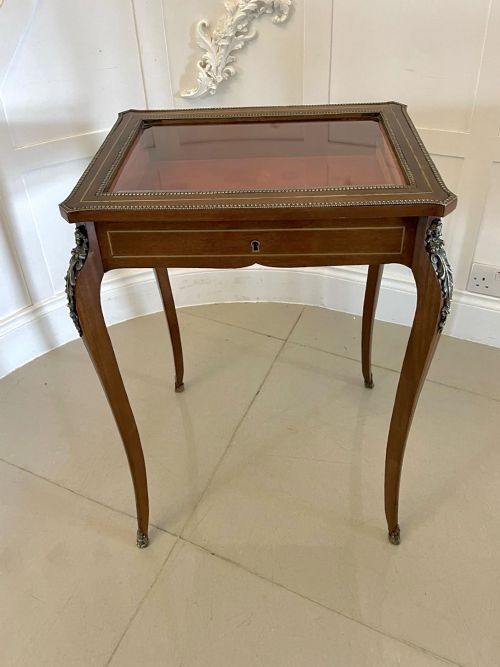
The objects combine the function of a table with the secure glazing of a showcase, resting on slender legs or standing as substantial cabinets.
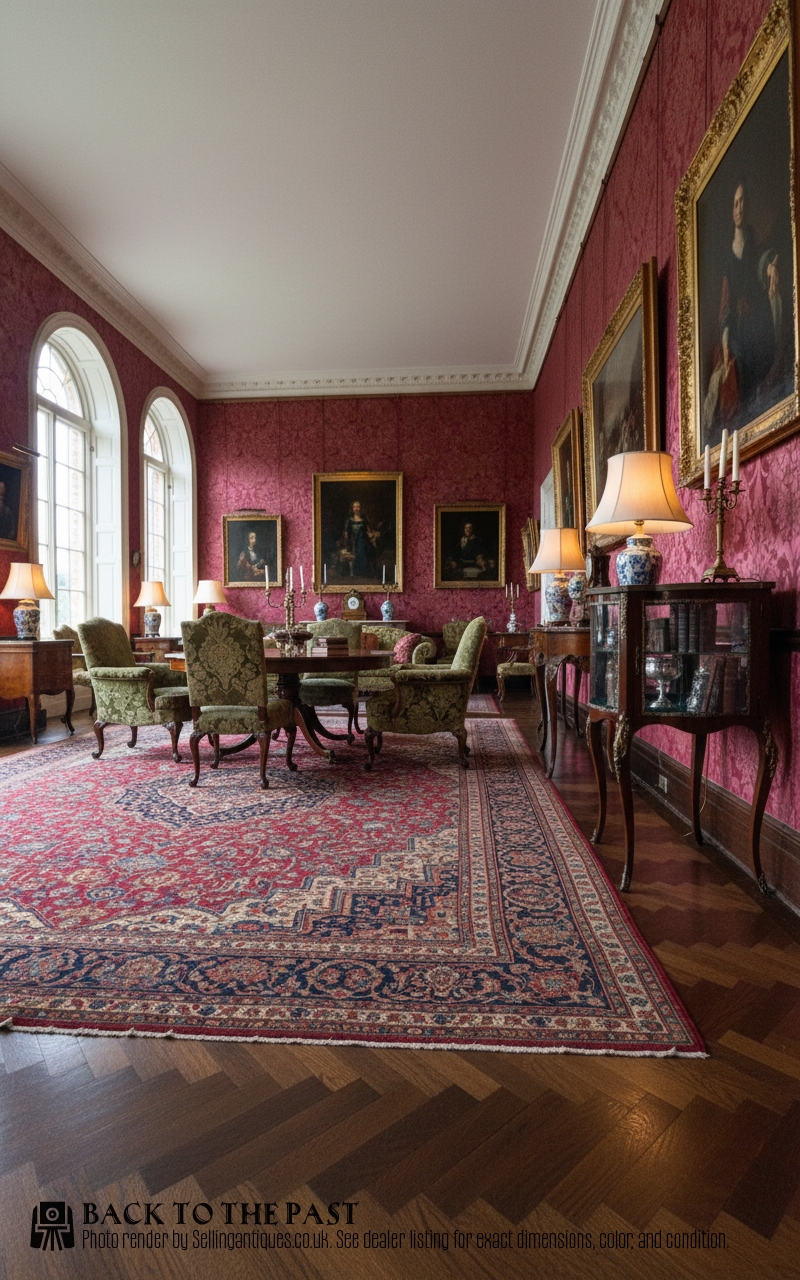
Materials and Construction
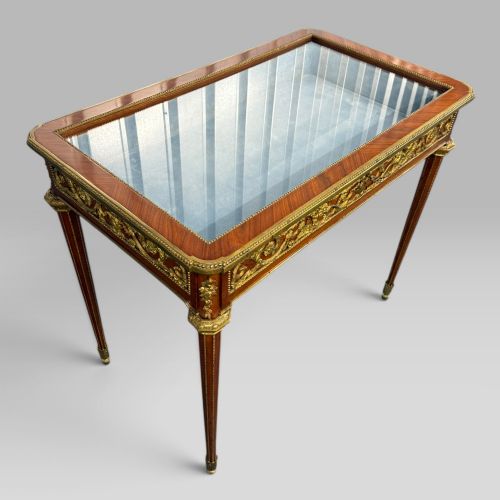
Carpenters built the primary frames from mahogany, kingwood, rosewood and walnut, frequently applying marquetry or brass inlay across the surfaces.
Gilt bronze, ormolu and brass mounts edge the glass panels and frame the legs, while interior bases are lined with velvet or fabric to cushion displayed items.
French Bijouterie Cabinet Retail Price Guide 2026
Typical asking prices for french bijouterie cabinet among the pieces listed under this phrase on Sellingantiques today, from the lower quarter to the upper quarter. They describe what is for sale here now, not the wider market.
Listings feature mahogany, kingwood, and rosewood cabinets ornamented with ormolu, brass inlay, and velvet linings.
Craftsmanship and Detail
The standard of a french bijouterie cabinet depends upon the crispness of the cast ormolu mounts and the precision of the timber veneers.
Fine examples display intricate marquetry work, heavier brass framing around bevelled glass, and robust internal framing that supports freestanding use.
François Linke
The French Bijouterie Cabinet Glossary
- Bijouterie
- Small decorative items and jewellery designed for display inside specialised glazed furniture.
- Ormolu
- Gilded bronze mounts used extensively to decorate the corners, legs and frames of period cabinets.
- Vitrine
- A glass-sided cabinet or display case created to exhibit porcelain, silver and small valuables.
- Marquetry
- Decorative patterns formed by fitting contrasting wood veneers into the primary surface of the furniture.
- Vernis Martin
- A type of decorative lacquer finish developed in France, often featuring painted pastoral scenes on cabinet panels.
French Bijouterie Cabinet: Frequently Asked Questions
What is a french bijouterie cabinet used for?
These cabinets were originally designed to display precious small possessions, portrait miniatures, and fine jewellery.
Today, collectors use them in living spaces to exhibit similar collections of small antiques behind protective glass.
How do I date a french bijouterie cabinet?
Dating relies on identifying the prevailing revival style, such as Louis XVI or Edwardian neoclassical motifs, alongside the timber and casting methods.
Nineteenth-century examples often employ heavy ormolu mounts and dense mahogany or kingwood carcasses.
Are these cabinets freestanding?
Many examples are designed to stand independently on four legs as display tables with glazed top compartments.
Others take the form of taller vitrine cabinets meant to sit against a wall while offering all-round visibility.
What woods were used in these cabinets?
Cabinet makers predominantly utilised mahogany, kingwood, rosewood and walnut for the structural and veneered surfaces.
Satinwood and elaborate marquetry details frequently appear on Edwardian and late nineteenth-century pieces.