

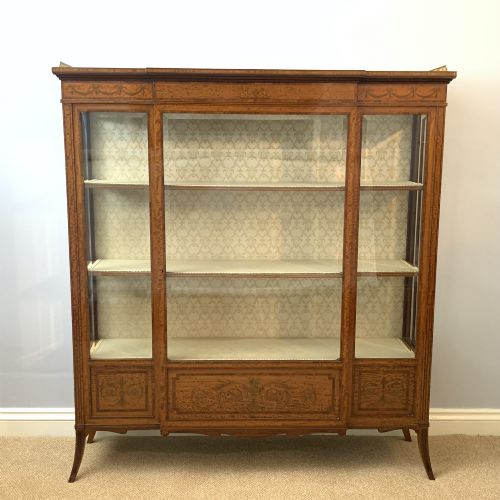
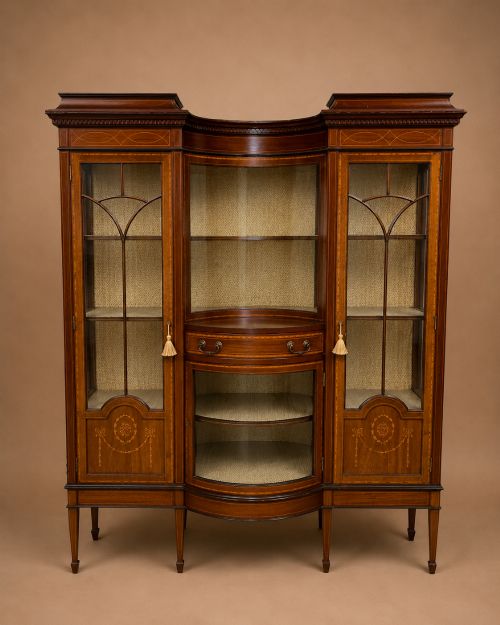
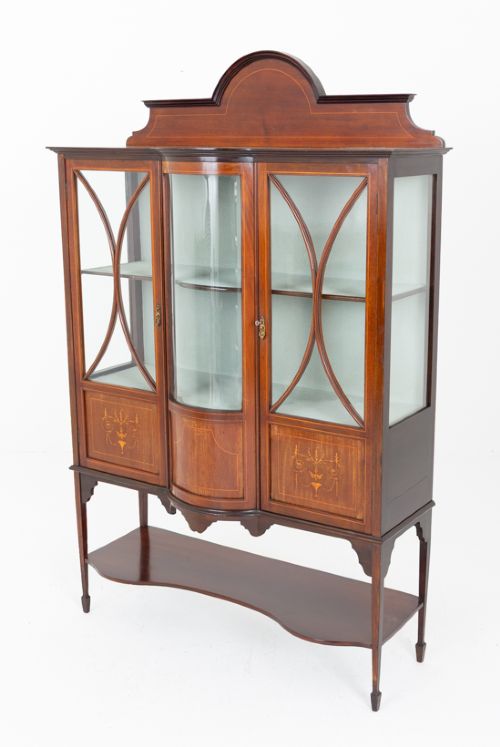
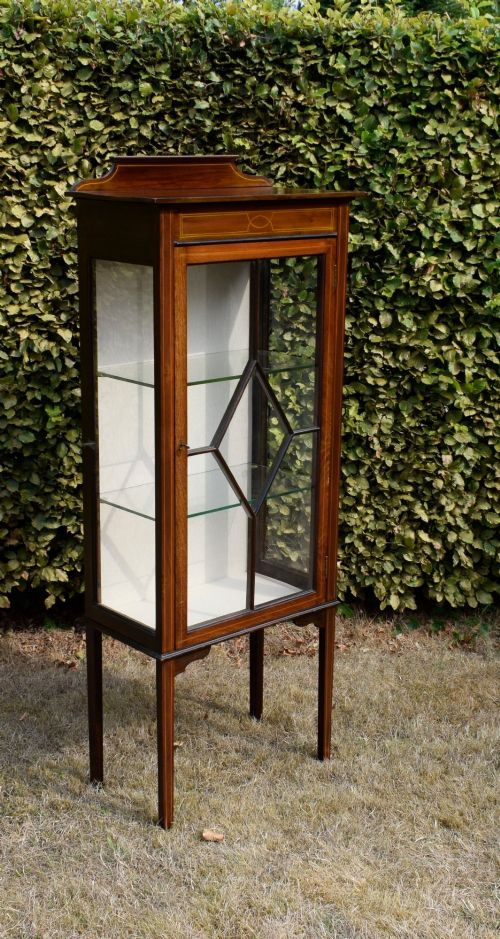
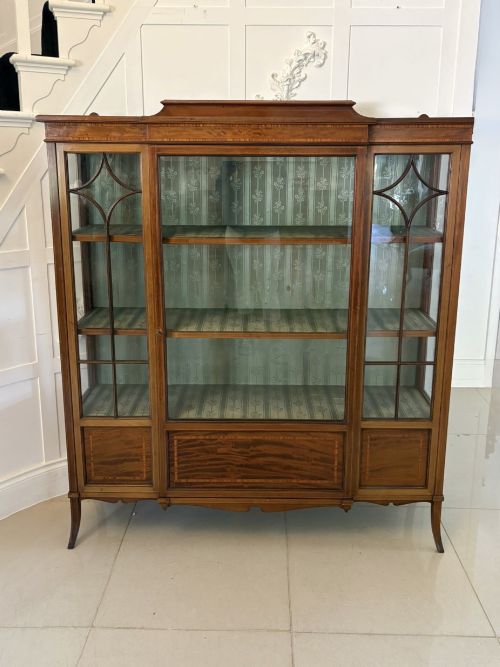
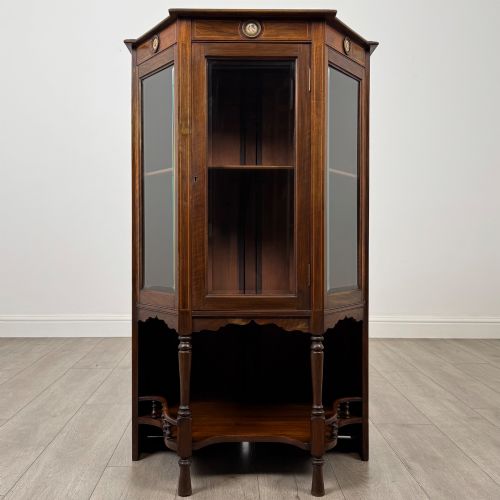
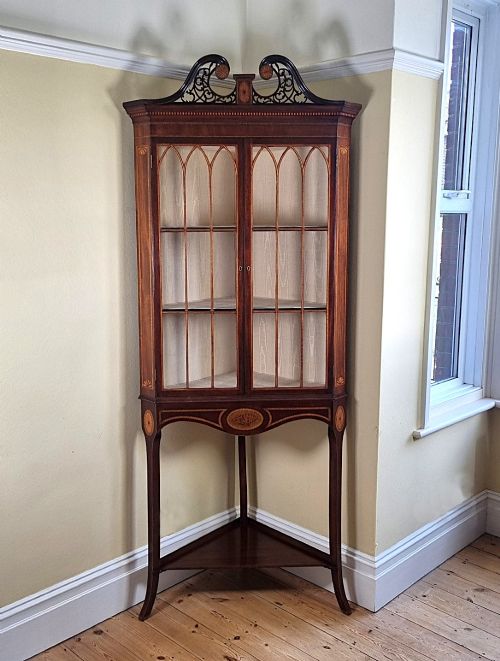
Inlaid Vitrine Cabinet
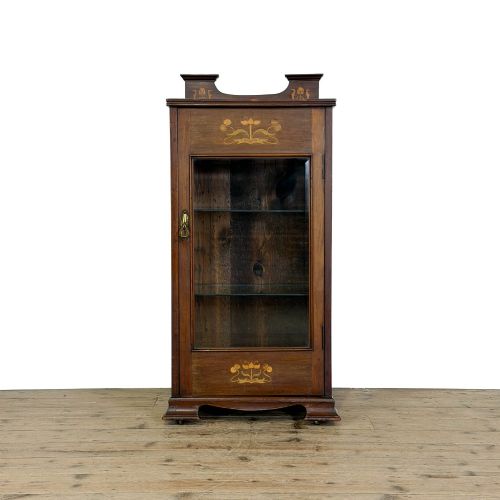
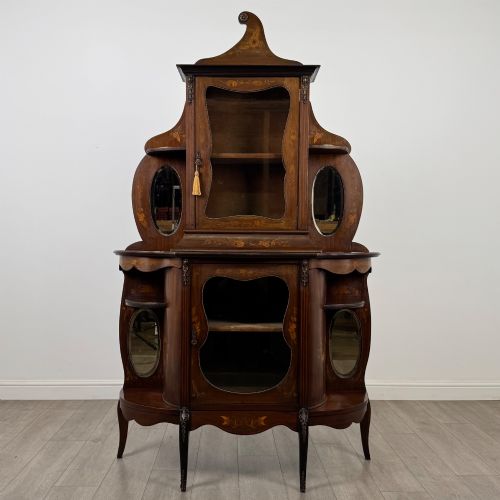
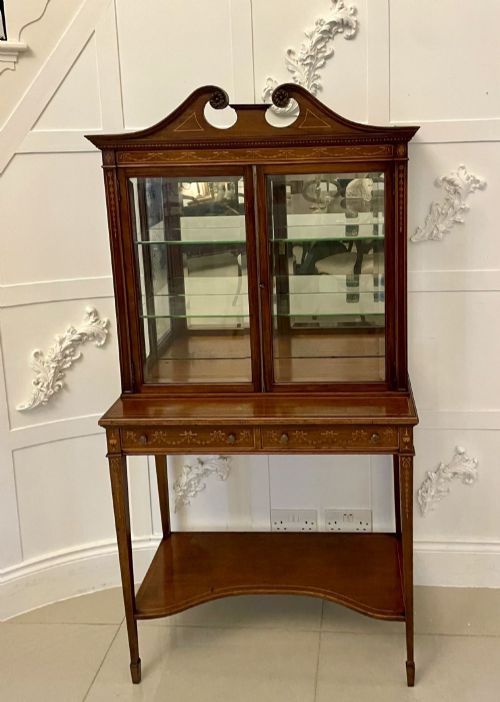
An inlaid vitrine cabinet holds precious objects behind glass, bringing together fine woodwork, delicate marquetry and clear display space from the Georgian, Victorian and Edwardian eras.
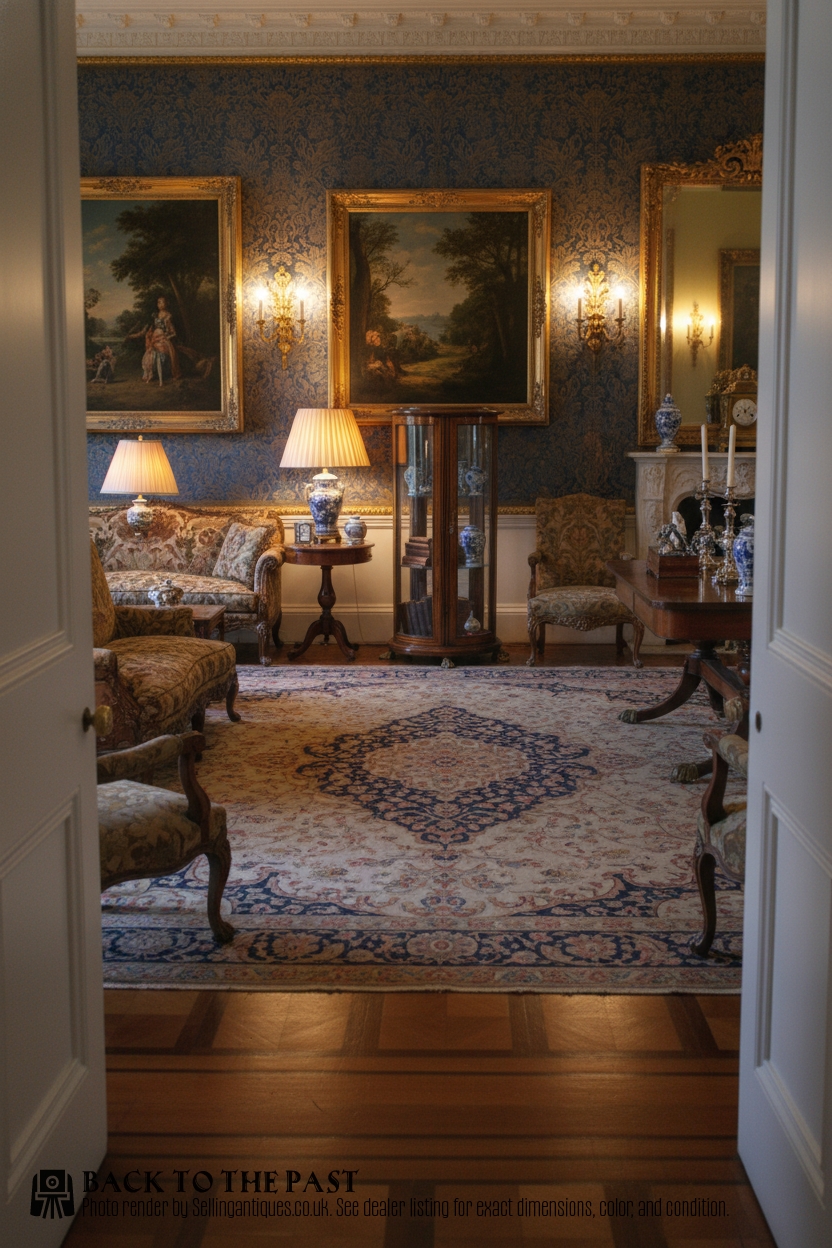
Inlaid Vitrine Cabinet
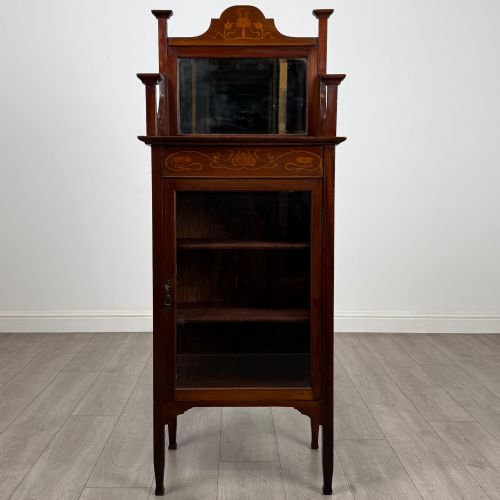
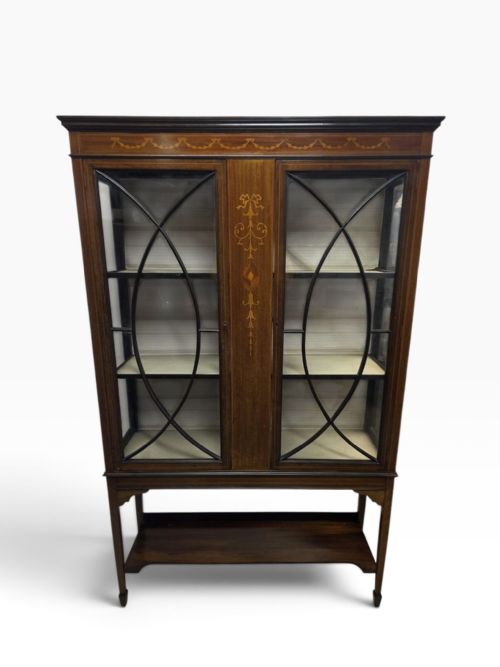
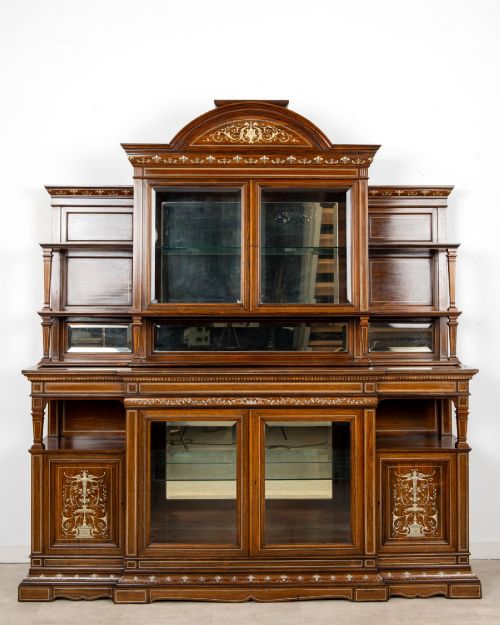
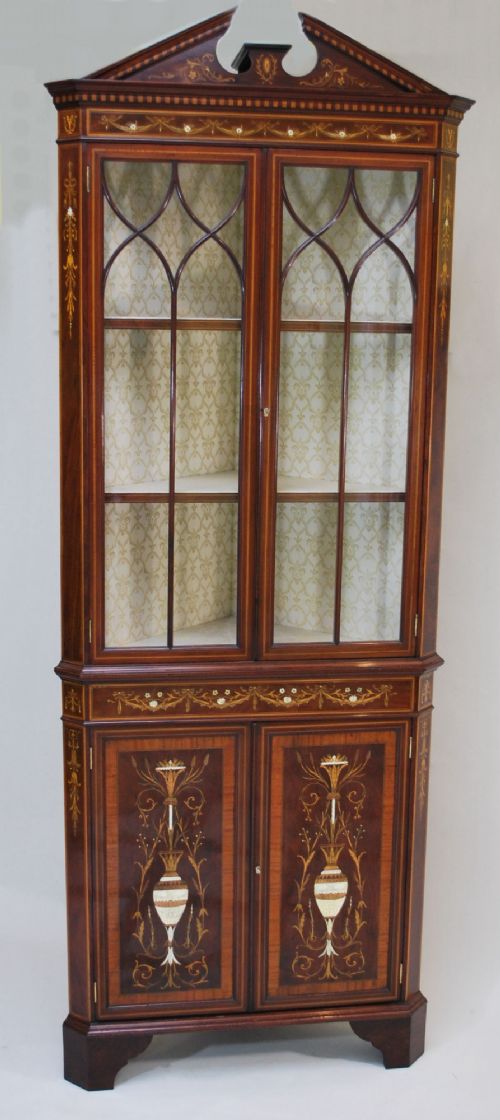
When searching for an inlaid vitrine cabinet, buyers encounter freestanding display pieces, corner units, wall cabinets and low bijouterie tables intended for curated collections. The Edwardian period and the late nineteenth century supply the largest number of these glazed storage items in mahogany and satinwood.
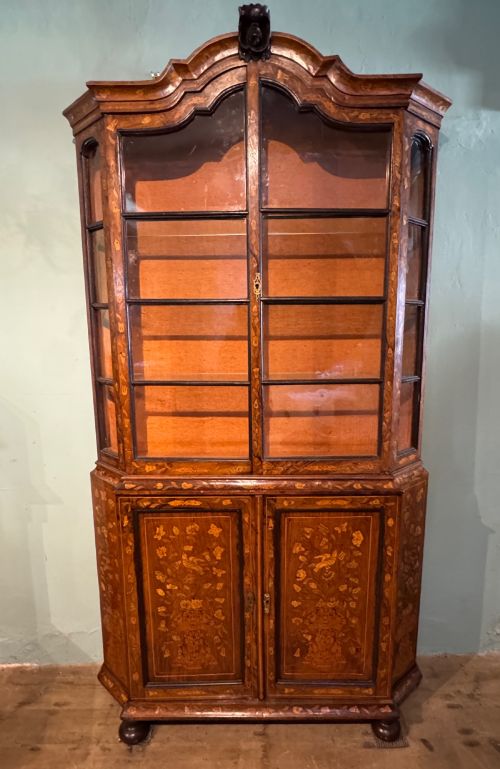
Earlier examples extend back through the Victorian era to Georgian and eighteenth-century origins, often displaying Dutch marquetry or robust walnut construction. These cabinets serve to protect ornaments, ceramics and small curiosities while offering a clear view from multiple angles.
Materials and Technique
Cabinet makers relied principally upon mahogany, walnut and satinwood as foundations for detailed marquetry and contrasting timber stringing. Glass panels form the main doors and side walls, occasionally supported by brass mounts, gilt bronze or ormolu details.
Inlaid decoration relies on finely cut contrasting veneers arranged in floral or geometric motifs, frequently complemented by mirror backs inside the display chamber.
Some Edwardian tables provide velvet-lined depths specifically for gentlemanly pocket watches and lady's jewellery.
Judging the Standard
The standard of a piece rests on the crispness of the marquetry cutting and the integration of timber grains across the panels. Superior examples exhibit refined brass hardware, balanced proportions and harmonious secondary timbers rather than heavy ornamentation.
Finer construction shows in the snug fit of glazed doors, the subtlety of stringing lines, and the overall integrity of the cabinet work from top to plinth.
Edwards and Roberts·Collinson and Lock·Shapland and Petter·Maple and Co
The Inlaid Vitrine Cabinet Glossary
- Vitrine
- A glass-fronted display cabinet designed for showcasing porcelain, curiosities and small collectables. Such pieces often feature glazed sides to maximise light penetration.
- Marquetry
- Decorative veneer work forming pictorial or geometric patterns using various coloured woods. Craftsmen assemble these thin slices to create contrasting surfaces on cabinet doors and friezes.
- Bijouterie table
- A glazed tabletop cabinet used for displaying jewellery and small precious objects at hand height. These tables frequently stand on slender legs with hinged glazed lids.
- Stringing
- Thin lines of contrasting timber inlaid into channels cut into the main furniture surface. This technique creates delicate borders around drawer fronts and cabinet panels.
Inlaid Vitrine Cabinet: Frequently Asked Questions
What goes inside a vitrine?
These cabinets house porcelain figurines, silver trinkets, glass collections and small precious objects that benefit from dust-free enclosure and clear visibility.
Interior mirror backs help reflect light through the shelves to illuminate darker items placed near the back panel.
How do I date a cabinet?
Dating relies on timber choice, construction methods, and the prevailing style of inlay or hardware. Edwardian and late nineteenth-century pieces often use lighter satinwood and machine-cut veneers.
Earlier eighteenth-century and Georgian pieces display heavier walnut bases, hand-cut dovetails and deeper regional marquetry techniques.
Where should I place it?
Freestanding display pieces suit principal reception rooms and hallways where natural light can enter the glass panels from the side. Corner cabinets effectively utilise unused angles in smaller rooms without crowding floor space.
Avoid placing delicate satinwood and mahogany directly beside active heat sources or in strong direct sunlight.
Are shelves adjustable?
Many traditional display cabinets feature fixed wooden or glass shelves supported by internal wooden bâttons rather than adjustable metal tracks. Original velvet or fabric linings on shelf surfaces are common in Victorian and Edwardian examples.