


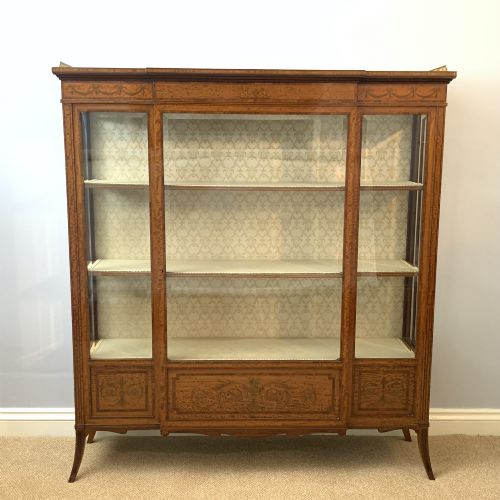
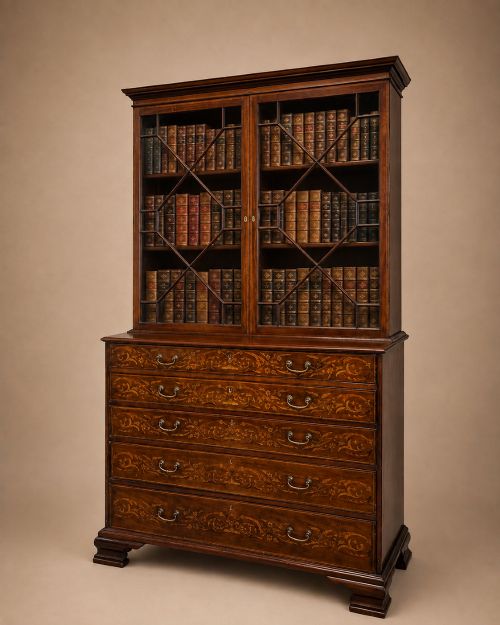
Marquetry Glazed Cabinet
These marquetry glazed cabinets bring together intricate inlaid timbers and glass fronts, offering both display and storage for treasured objects.
Identifying your marquetry glazed cabinet
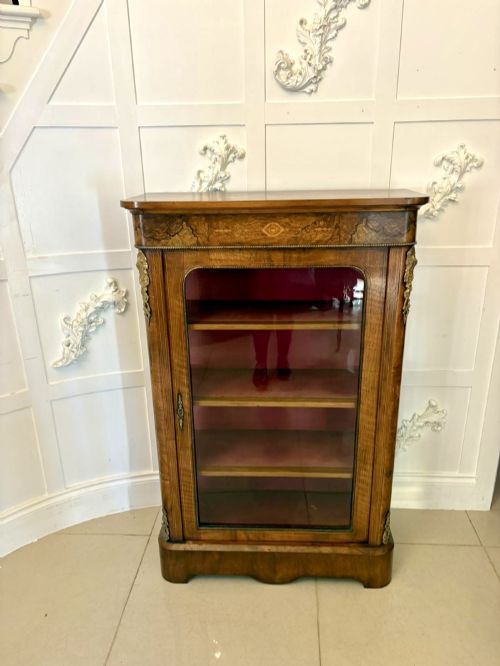
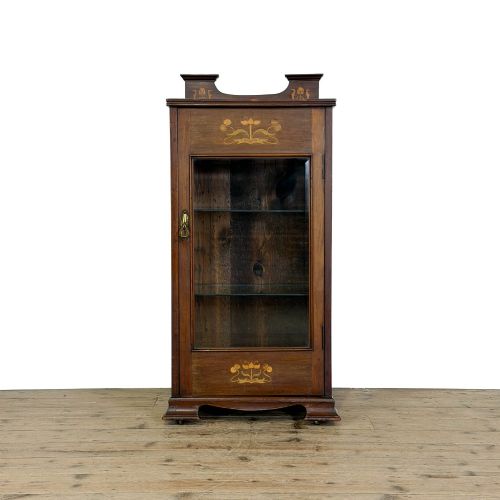
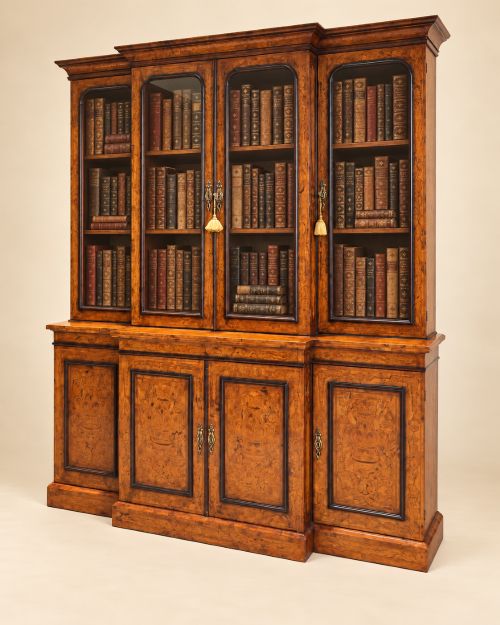
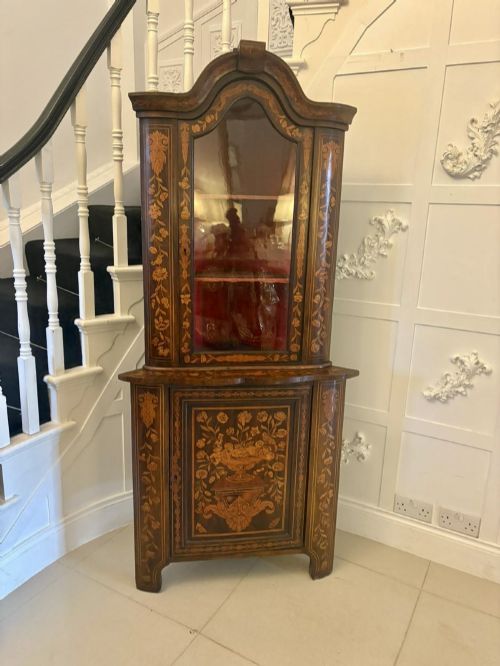
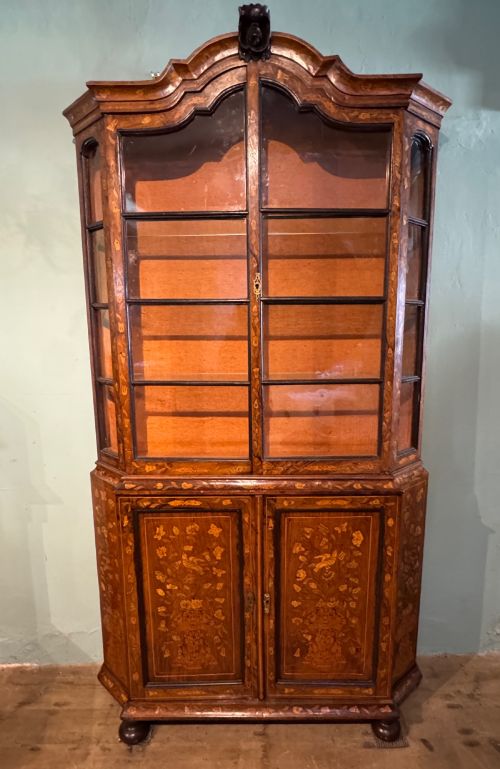
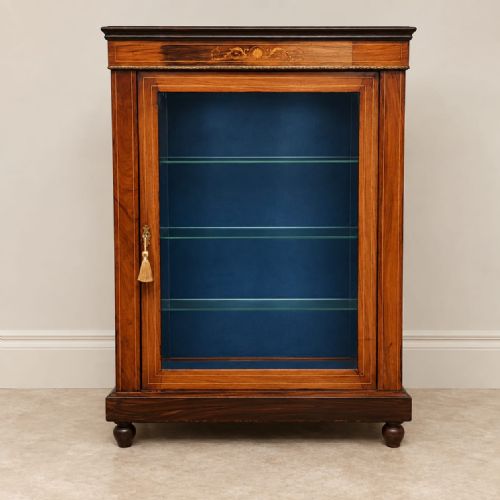
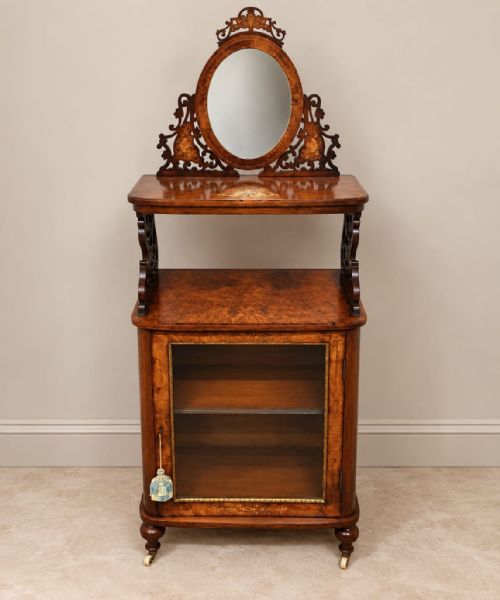
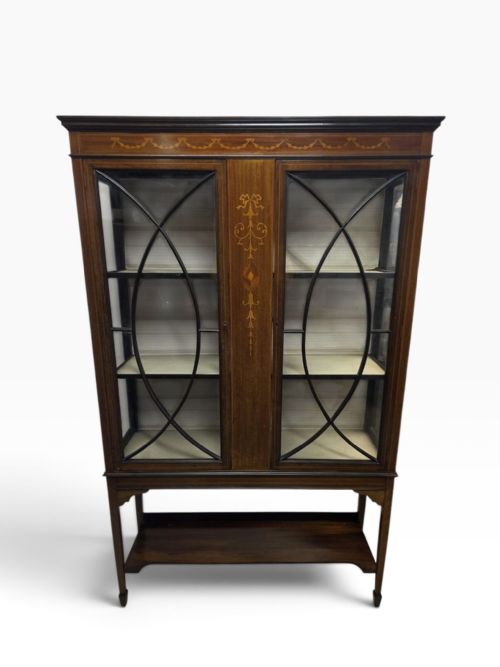
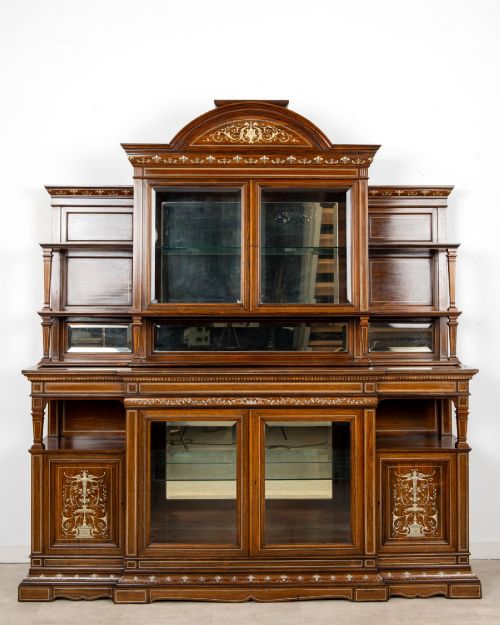
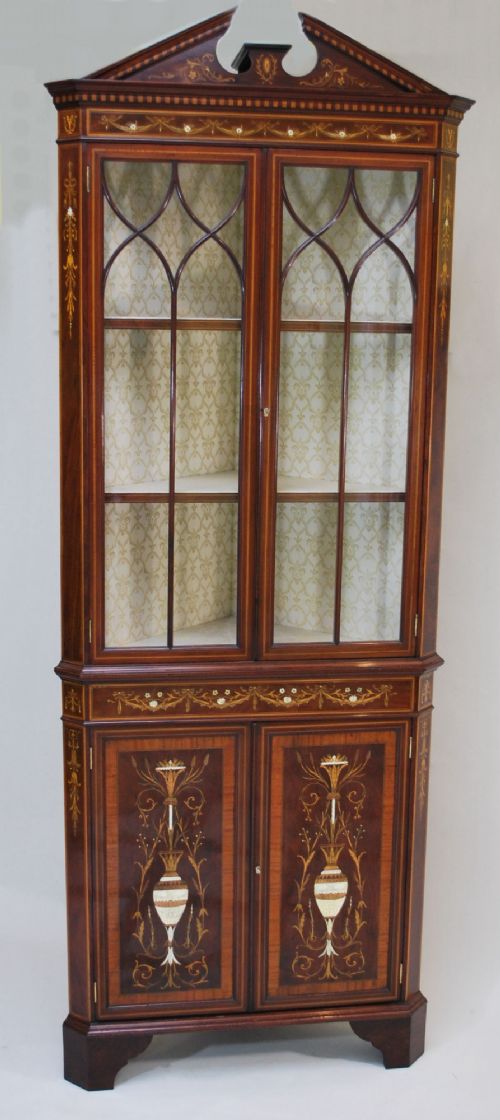
A marquetry glazed cabinet combines decorative wood veneers with glass panel doors designed to showcase collections. When you search for a marquetry glazed cabinet, you encounter forms ranging from freestanding Victorian pier cabinets to tall Dutch corner cupboards.
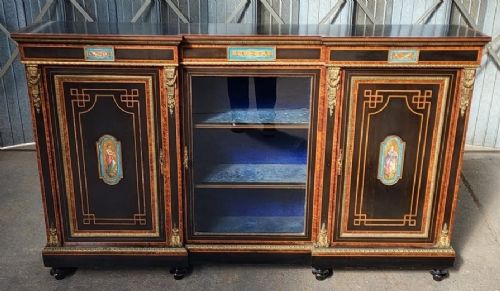
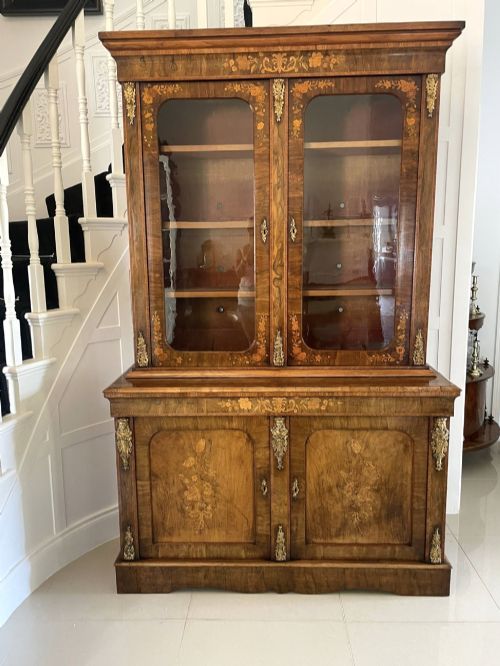
The materials span mahogany, satinwood, walnut, and kingwood, often embellished with brass or ormolu mounts. Revival styles dominate, drawing heavily on French Louis XV designs and Sheraton patterns alongside Arts and Crafts interpretations.
Most examples date from the nineteenth century into nineteen hundred, with earlier Dutch floral interpretations appearing in archival records. These pieces function primarily as vitrines or bookcase cabinets intended for domestic display.
Construction and materials
Cabinet makers constructed carcass frames from timbers like mahogany and walnut, applying delicate veneers of satinwood, kingwood, and birds eye maple to exterior surfaces. Artisans cut contrasting wood veneers by hand to form pictorial and floral marquetry panels.
Glazing involved fitting glass panes into wooden doors, frequently secured with brass or ormolu mounts around keyhole escutcheons and borders. Interior shelving utilised matching timbers, sometimes adjustable to suit books or display items.
Retail Price Guide 2026
Typical UK retail prices for marquetry glazed cabinet, calculated from the Sellingantiques database of over a million retail prices indexed since 2003. This retail price guide relies exclusively on Sellingantiques data; no external sources or auction records are used, so the figures do not describe the wider market.
Makers occasionally hid tiny secret compartments behind elaborate floral marquetry panels to delight inquisitive owners.
Assessing quality and execution
Quality rests in the precision of the veneer cutting and the depth of the floral or geometric marquetry. Finer examples display tight grain matching and subtle shading achieved by scorching veneer edges in hot sand.
The choice of secondary woods and the weight of ormolu or brass mounts distinguish standard production from exceptional workshop output. Structural integrity in the glazed doors and fine dovetailing in interior drawers further separate distinct tiers of craftsmanship.
Edwards and Roberts
The Marquetry Glazed Cabinet Glossary
- Marquetry
- Decorative veneer work forming pictures or patterns by assembling small pieces of different coloured woods. It differs from inlay by covering the entire surface.
- Ormolu
- Gilt bronze mounts applied to furniture for decoration and protection. This technique flourished during the eighteenth and nineteenth centuries.
- Vitrine
- A glass-fronted cabinet specifically designed for displaying fine porcelain, glass, or small objects. The term derives from the French word for glass.
- Birds Eye Maple
- Timber featuring characteristic small circular figures resembling birds' eyes caused by depressions in the growing tree rings. Cabinet makers prized this wood for its distinctive mottled appearance.
- Pier Cabinet
- A narrow freestanding cabinet designed to fit against the wall space between two windows. These pieces became particularly popular during the Victorian period.
Frequently Asked Questions
What is a marquetry glazed cabinet?
A marquetry glazed cabinet is a piece of furniture featuring patterned wood veneer designs and glass doors. It serves to exhibit collections while protecting items from dust.
These pieces typically feature shelves behind glass panels and rest on bracket feet or plinth bases.
How do I date a cabinet?
Dating relies on secondary woods, construction methods, and stylistic revival cues. Nineteenth-century examples often incorporate machine-sawn elements alongside hand-cut veneers.
Examining drawer linings and hardware offers further clues to the manufacturing era.
Where should I place it?
These cabinets suit drawing rooms, studies, or hallways where natural light illuminates the glass and timber. Keep them away from direct sunlight to protect delicate wood veneers from fading.
Ensure the floor is level so the glazed doors hang true and close properly.
How do I care for the wood?
Maintain the surface with appropriate beeswax or furniture polish suited to antique veneers. Avoid silicone-based products that can penetrate aged finishes and damage the timber.
Dust regularly with a soft cloth to prevent grime accumulation in the marquetry recesses.