

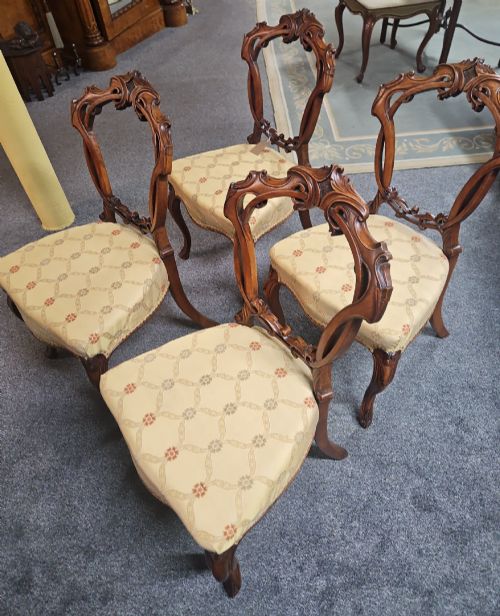
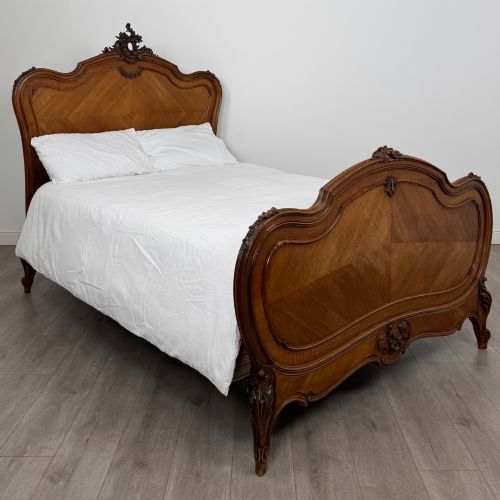
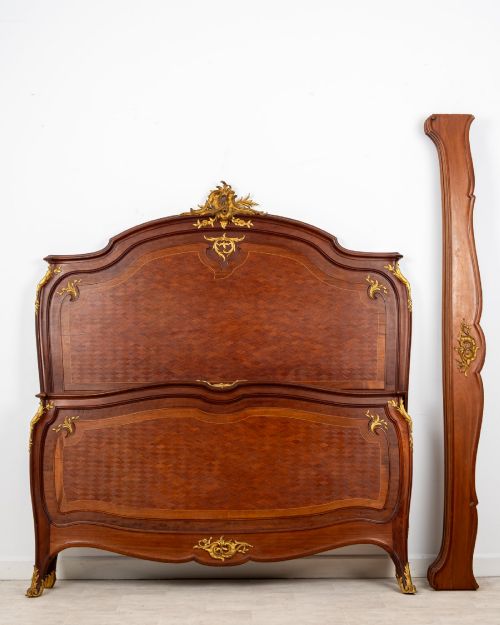
French Revival Furniture
French revival furniture revives earlier court aesthetics through rich veneers, gilt mounts and sculpted walnut.
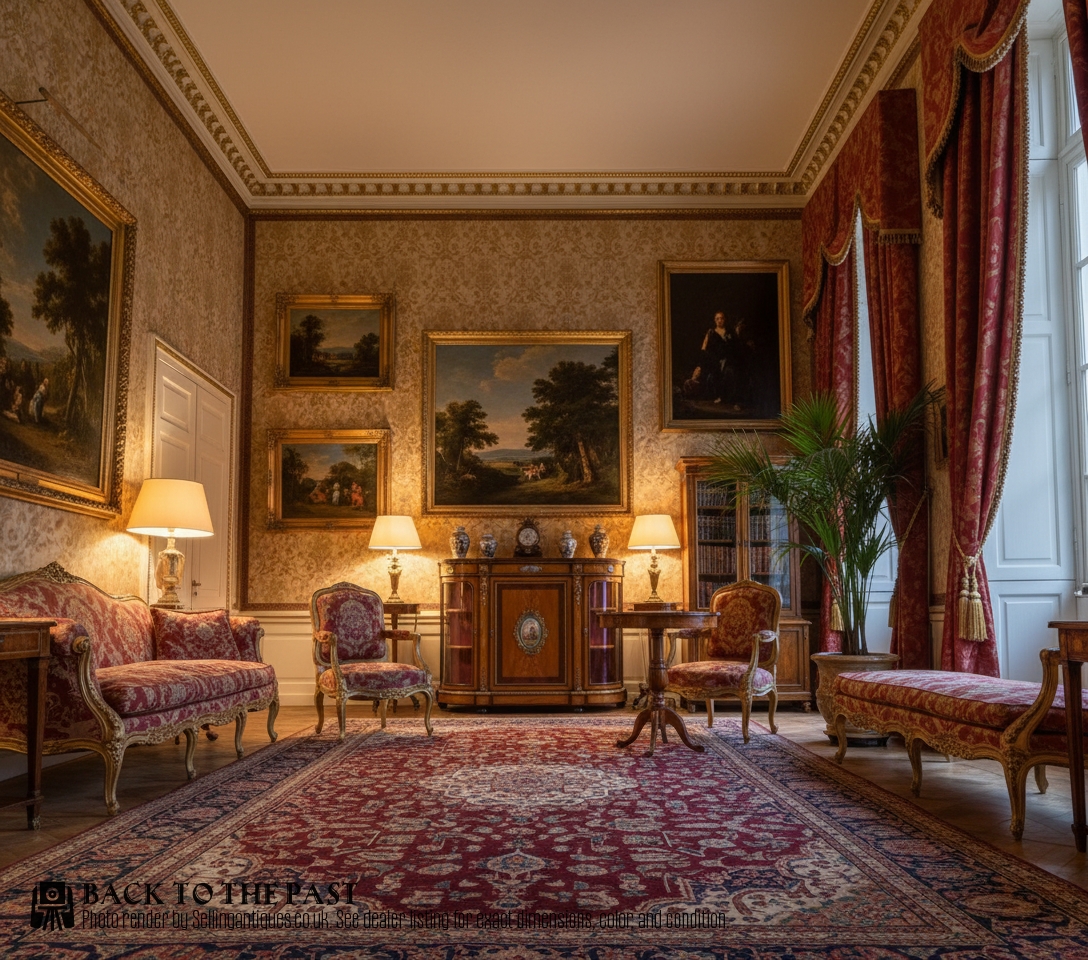
French Revival Furniture
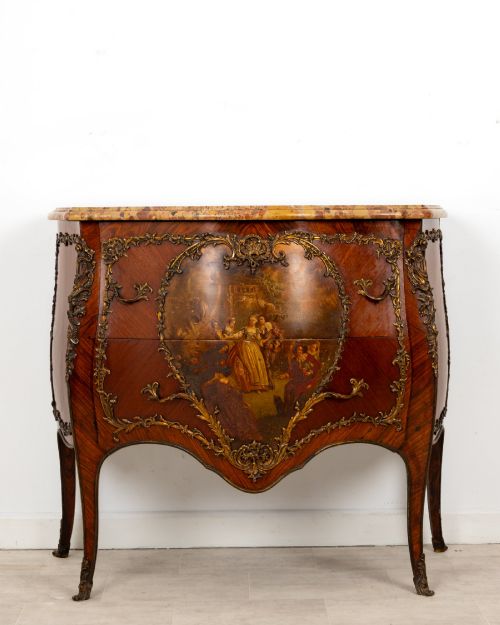
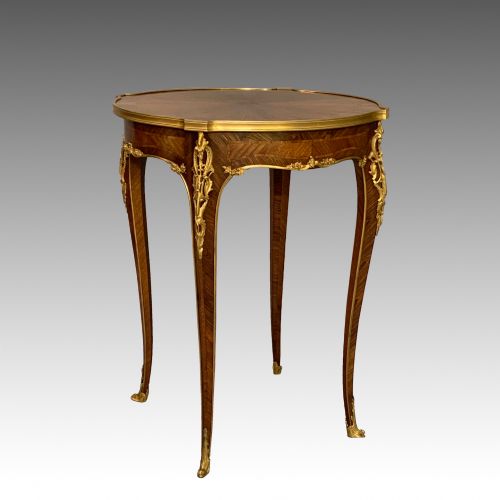
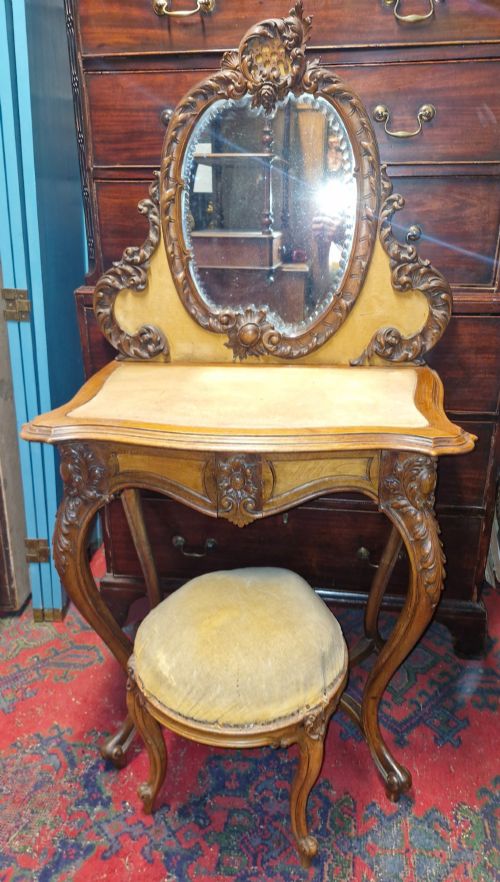
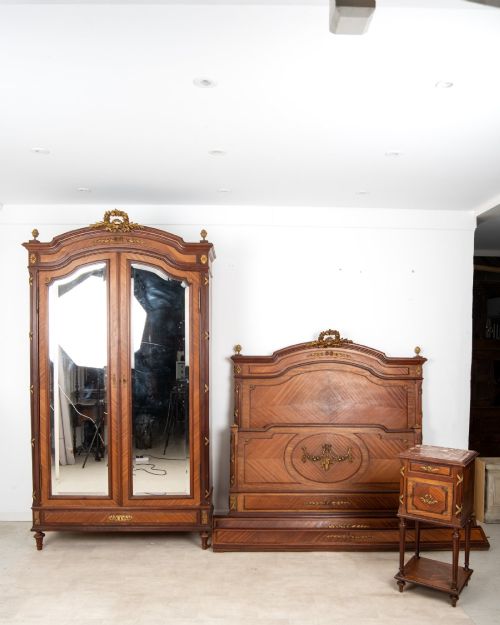
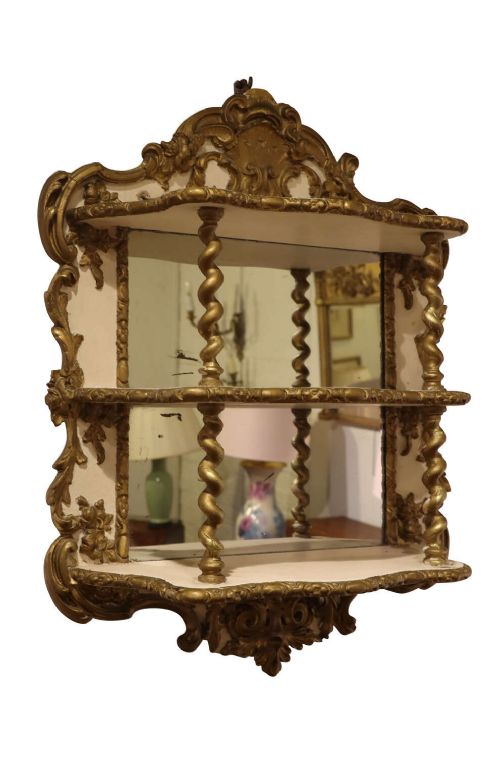
French revival furniture encompasses ornate seating, desks, cabinets and tables produced during the nineteenth and early twentieth centuries in historical styles. These pieces emulate the lavish court tastes of earlier centuries, incorporating sweeping curves and decorative mounts.
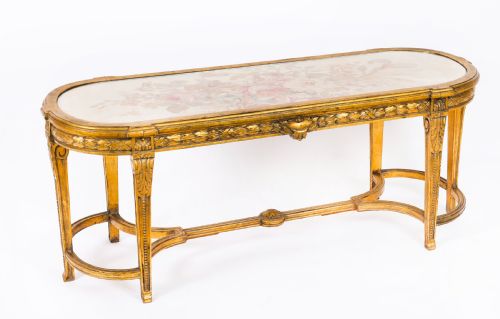
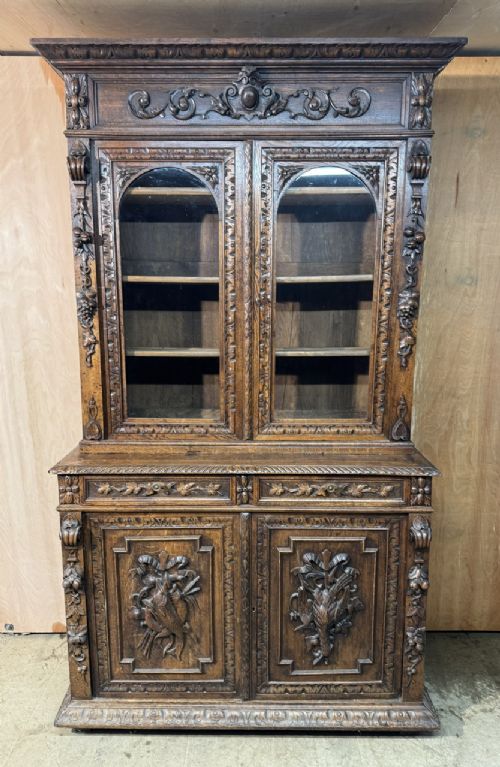
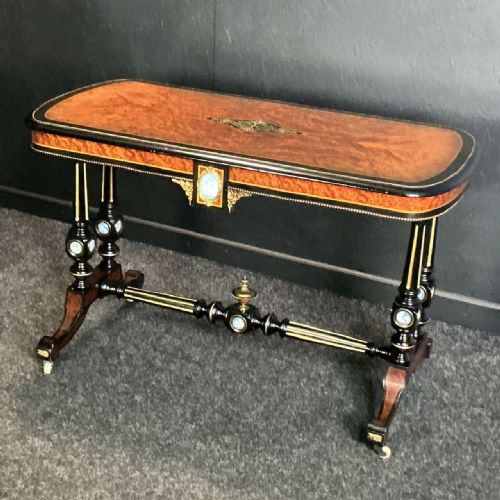
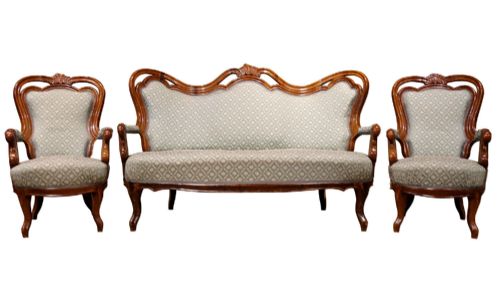
The selections here frequently span Victorian interpretations alongside pieces bearing explicit Louis XV and Louis XVI revival traits. Buyers encounter occasional tables, writing desks, vitrines and salon suites executed in rich woods.
Originating largely from nineteenth-century workshops in Paris and Britain, these items bring ornamental flourish to contemporary domestic interiors. They combine decorative appeal with practical utility through forms like bureau plat desks and marble-topped commodes.
How they were made
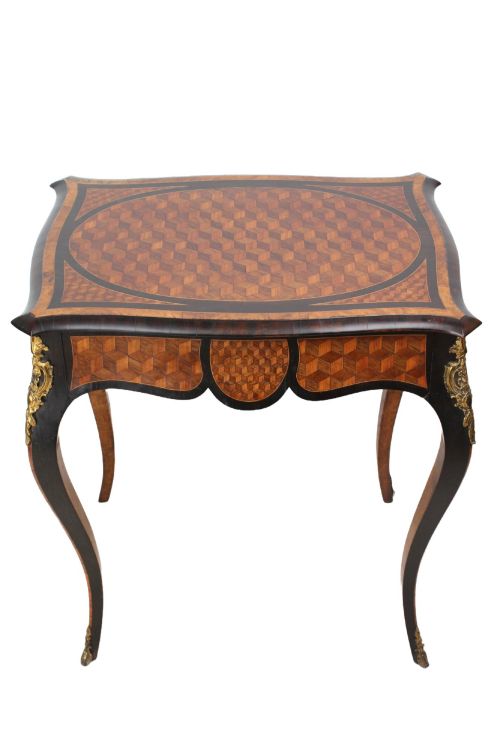
Cabinetmakers utilised dense hardwoods including walnut, mahogany, kingwood and rosewood as foundational structures for intricate parquetry and marquetry patterns. Veneers were laid carefully across curved serpentine surfaces to create geometric or floral motifs.
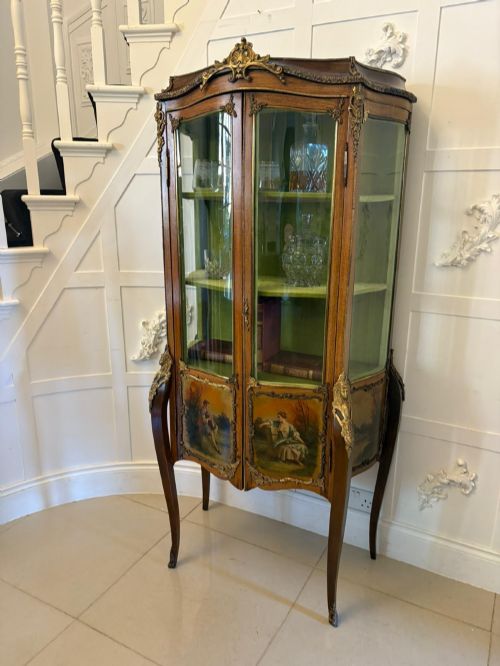
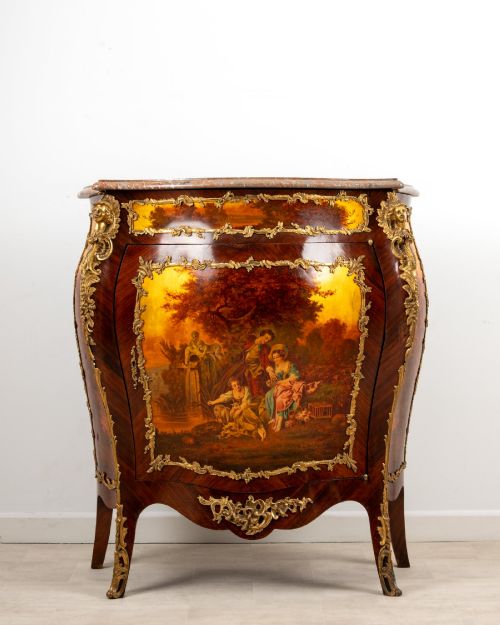
Gilt-bronze and ormolu mounts were cast and chased to accentuate structural corners, framing panels and tabletop edges. Marble tops, porcelain plaques and painted Vernis Martin panels were integrated into commodes, cabinets and writing tables.
French Revival Furniture Retail Price Guide 2026
Typical asking prices for french revival furniture among the pieces listed under this phrase on Sellingantiques today, from the lower quarter to the upper quarter. They describe what is for sale here now, not the wider market.
Listings feature walnut, mahogany, rosewood, kingwood, ormolu and marble applied across Victorian and twentieth-century interpretations.
What varies in quality
Quality rests upon the crispness of the bronze casting and the precision of the parquetry inlay across curved forms. Finer examples display meticulous hand-chasing on metal mounts and flawless matching of grain in kingwood or walnut veneers.
Secondary timbers and internal drawer construction indicate the diligence of the workshop. Superior pieces maintain structural integrity alongside well-preserved painted panels and uncompromised fire-gilding on metal elements.
JAS Shoolbred·Joseph-Emmanuel Zwiener·Mercier Frères·Antoine Lampre·G T Morant·François Linke·Donald Ross
The French Revival Furniture Glossary
- Ormolu
- Gilt-bronze ornamentation applied to furniture mounts, cast and hand-chased for decorative relief. It provides bright metallic contrast against dark veneers like mahogany and rosewood.
- Vernis Martin
- Simulated Japanese lacquerwork popularised in eighteenth-century France and revived later. It employs layers of translucent varnish over painted panels depicting pastoral scenes.
- Parquetry
- Geometric wood inlay forming patterned surfaces on tabletops and cabinet doors. Craftsmen cut contrasting timbers precisely to fit within strict geometric grids.
- Marquetry
- Pictorial inlay utilising various coloured woods, ivories or metals to create floral or figurative scenes. This technique demands immense patience in cutting and shading individual veneers.
- Vitrine
- A glass-sided display cabinet designed for showcasing porcelain and curiosities. These pieces often feature serpentine fronts and elaborate gilt mounts.
- Bombé
- A swelling, outward-curved commode or cabinet profile. This bulging shape requires advanced woodworking skill to veneer successfully without buckling.
French Revival Furniture: Frequently Asked Questions
How do I identify Louis XV revival pieces?
Louis XV revival pieces are characterised by asymmetrical flowing lines, cabriole legs and extensive use of rococo scrollwork. Ormolu mounts typically trace the organic curves of the woodwork.
You will notice frequent deployment of floral marquetry and serpentine shapes across tables, commodes and vitrines produced during the nineteenth century.
Where were these pieces originally used?
These decorative items were commissioned for formal reception rooms, drawing rooms and private boudoirs in grand urban residences and country houses. Salon suites and display cabinets served to project cultural refinement.
Today, they adapt well into domestic settings as functional writing desks, coffee tables or statement storage cabinets.
What is the difference between kingwood and rosewood?
Kingwood is a dense, heavy Brazilian timber featuring distinct dark violet-brown stripes against a golden-yellow background. It was heavily favored for high-end parquetry.
Rosewood exhibits a broader range of rich reddish-brown tones with dramatic dark grain figuring, commonly utilised across Victorian writing tables and cabinets.
How should I care for marble-topped furniture?
Marble surfaces require gentle cleaning with mild, pH-neutral soap and warm water to avoid etching the polished stone. Acidic substances like wine or citrus should be wiped away immediately.
Maintain the surrounding wood and ormolu mounts with dry dusting and occasional soft waxing, keeping pieces away from direct heat sources.