






Vintage Shop Display
Vintage shop display pieces bring commercial utility and honest interior character into domestic spaces through authentic utilitarian forms.
Vintage Shop Display
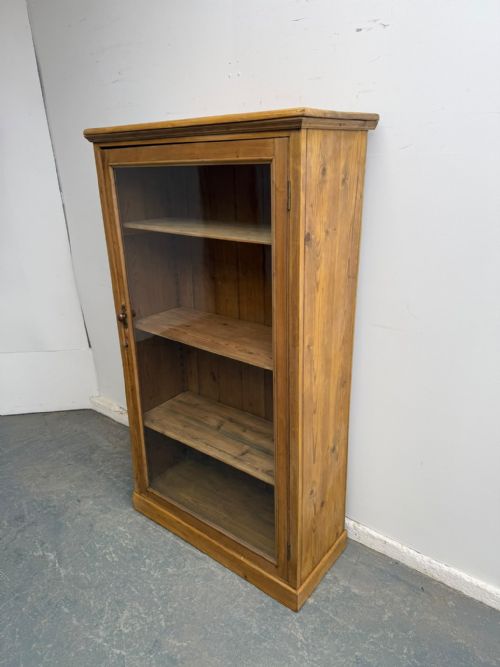
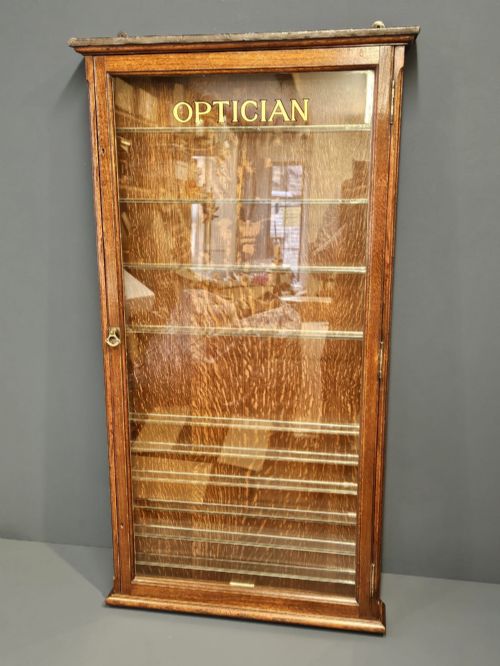
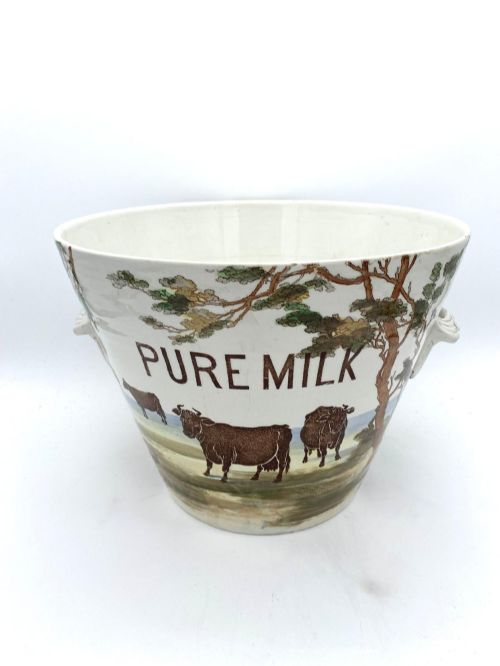
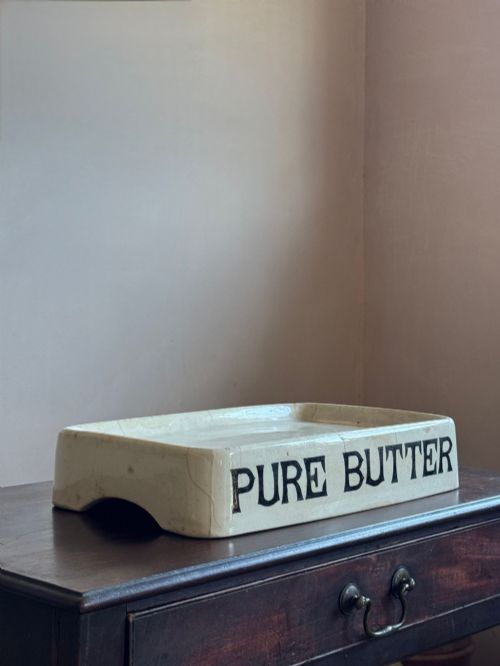
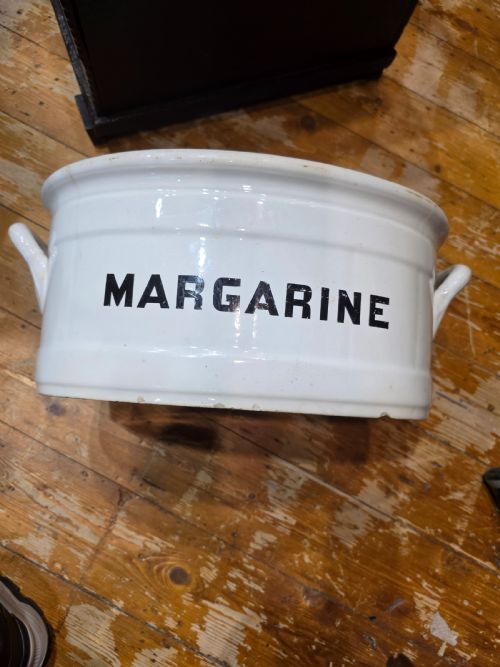
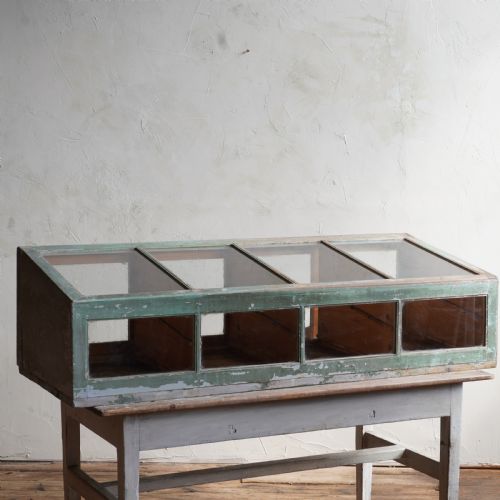
When searching for vintage shop display, buyers encounter functional commercial survivors from nineteenth and early twentieth-century retail environments. These pieces include tall freestanding mahogany and oak haberdashery cabinets, countertop glass cases, painted drapers tables, and specialised advertising items.
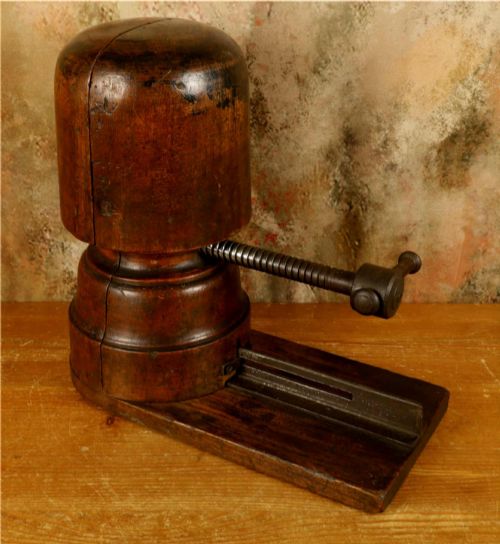
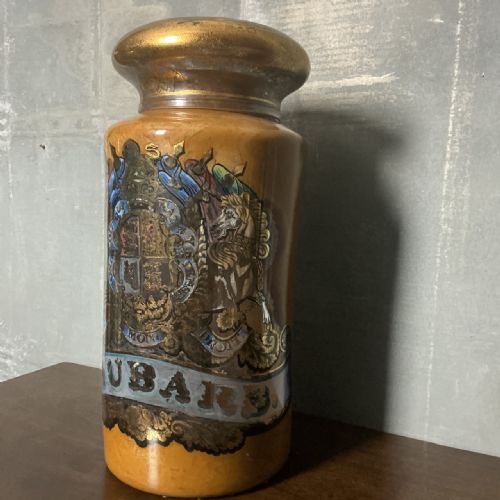
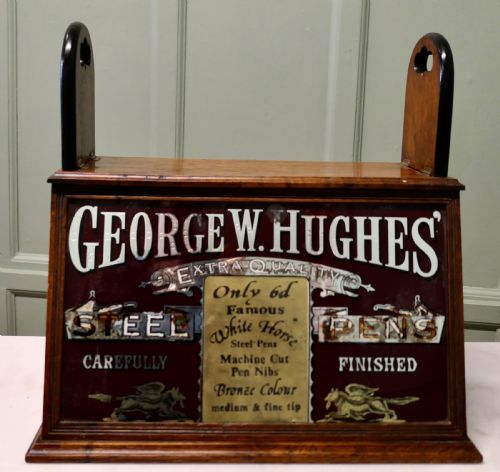
The most common examples on this page span the Victorian, Edwardian, and Art Deco periods, encompassing both English shop fittings and French provincial counters. Everyday items such as apothecary jars, trade signs, cotton reel display trees, and hat stretchers also populate the selection.
Commercial utility defines this category, transforming trade fixtures into domestic storage and display surfaces. Buyers utilise these robust items to organise collections or anchor room schemes with authentic period presence.
Materials and construction methods
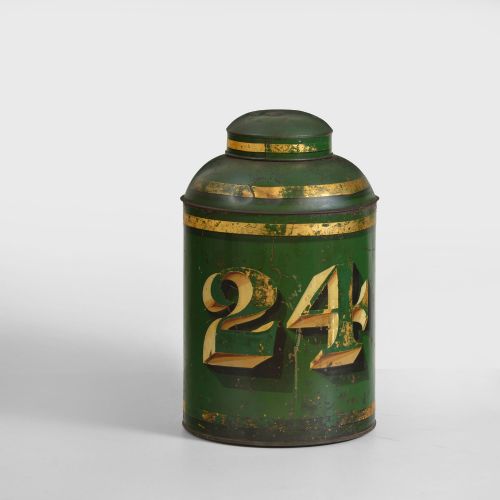
Metal components include brass hardware, chrome accents, ironstone, and toleware, alongside composition and bronze used in advertising figures and display stands. Original painted surfaces, distressed patinas, and etched glass details reflect the utilitarian demands of active nineteenth and twentieth-century shops.
Vintage Shop Display Retail Price Guide 2026
Typical asking prices for vintage shop display among the pieces listed under this phrase on Sellingantiques today, from the lower quarter to the upper quarter. They describe what is for sale here now, not the wider market.
Assessing quality in commercial antiques
Quality separates utilitarian survivals through the integrity of original commercial hardware, such as functioning brass fittings, adjustable glass shelving, and intact maker signatures. Pieces retaining their original painted finishes or specific trade markings demonstrate superior historical value over later restorations.
Structural honesty and material selection distinguish workshop standards, favouring solid mahogany and oak frames over composite replacements. The sophistication of joinery in haberdashery drawers and display cases dictates the upper tier of the market.
F. Sage & Co·Dudley & Co·G.H.& F.W. Bravington·Gerwin & Co
The Vintage Shop Display Glossary
- Haberdashery cabinet
- A multi-drawer retail cabinet designed for storing small sewing goods and textiles. These units often feature glazed drawer fronts or panelled glass doors for easy stock inspection.
- Apothecary jar
- A glass vessel used by chemists and pharmacists to store dry drugs or liquids. They frequently feature etched lettering and matching glass covers.
- Toleware
- Lacquered or enamelled metalware used for domestic and commercial storage containers. These items display painted decoration over a dark metal base.
- Trade sign
- A painted or metal sign commissioned by a business to advertise services or goods on the exterior or interior of a shop. They utilise robust materials to withstand daily commercial environments.
- Hat block
- A carved wooden form used by milliners to shape and stretch hats during production. These sculptural objects frequently transition into decorative display stands.
Vintage Shop Display: Frequently Asked Questions
How were haberdashery cabinets used?
Shop assistants used multi-drawer haberdashery cabinets to sort and store small textiles, ribbons, and buttons behind glass or wooden fronts. Customers could view small samples while stock remained organised and protected within the counter.
Modern interiors repurpose these modular drawer units for storing clothes, collections, or kitchen goods while retaining original commercial charm.
What are apothecary jars made of?
Apothecary jars consist of heavy blown glass, frequently accompanied by matching ground-glass lids to seal contents securely. Makers often decorated the exterior surfaces with etched text denoting specific medical ingredients.
These jars functioned as practical storage in Victorian and Edwardian chemists before becoming decorative display objects.
How do I identify Edwardian display cases?
Edwardian display cases typically feature lighter mahogany or oak timbers compared to heavier Victorian walnut and dark woods. They often incorporate adjustable glass shelving and clean geometric lines popular in early twentieth-century retail design.
Maker plaques and brass hardware stamps from firms operating around nineteen-ten help confirm the exact manufacturing period.
Where were trade signs displayed?
Traders mounted signs on exterior shop facades or hung them above doorways to attract passing street traffic. Painted wood, iron, and metal finishes allowed these advertisements to endure exterior weather conditions.
Interior display signs also directed customers toward specific product counters within large emporiums.