


Vintage Dress Form
A vintage dress form brings the workshop atmosphere straight into a modern interior, offering sculptural form and utilitarian history.
Vintage Dress Form
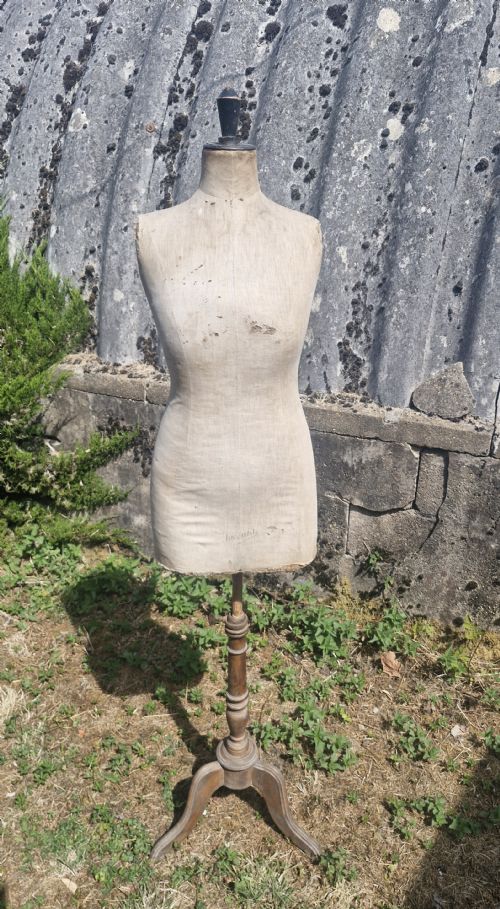
When you search for a vintage dress form, you encounter torsoes and stands originally designed for tailoring and shop displays. These objects span from the nineteenth century through the Edwardian period, the 1900s, 1910s, 1920s, and 1930s, encompassing French and English origins.
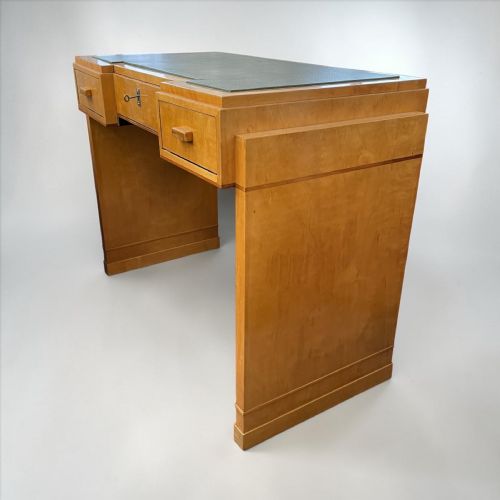
The selections on this page feature traditional tailors dummies, child shop mannequins, and cloth male and female figures. Alongside these core items, the listings include related furniture such as desks and dressing tables, plus smaller curiosities like walking sticks and jewellery boxes.
How they were made
Construction relies on a combination of materials suited to daily studio or retail use, with wood, metal, linen, canvas, and leather appearing across the pieces. Birch and burr walnut provide the structural timber for the associated furniture items, while glass and sterling silver form details on smaller objects.
Makers shaped these utilitarian objects to withstand heavy handling, utilising sturdy internal framing covered in tactile textiles. The surfaces often show the marks of genuine workspace usage through patinated fabrics and aged metallic fittings.
A silver-topped walking stick shaped as a hare sits comfortably among the tailors' dummies and dressing tables.
What varies in quality
Distinction across the range lies in the integrity of the materials and the sophistication of the manufacturing period. Pieces originating from recognised workshops or specific makers display superior proportions and finer detailing in the stands and hardware.
The degree of original textile survival and the richness of the patina determine the visual weight of each piece. Items retaining their authentic surface character command greater interest from collectors seeking genuine period atmosphere.
Stockman of Paris
The Vintage Dress Form Glossary
- Mannequin
- A dummy used for fitting clothing or displaying garments in a shop window. These range from full figures to torso forms on stands.
- Tailor's dummy
- A specialised torso form padded and covered in fabric for pinning and adjusting bespoke garments. They often exhibit robust wooden or metal bases.
- Edwardian
- Pertaining to the reign of King Edward VII, spanning from nineteen hundred to nineteen ten. Pieces from this era often show refined craftsmanship.
- Art Deco
- A design style prominent during the nineteen twenties and nineteen thirties characterised by sleek geometric lines. This style appears in the desks and dressing tables listed alongside the forms.
Vintage Dress Form: Frequently Asked Questions
What is a vintage dress form made from?
These pieces combine structural elements of wood, birch, burr walnut, and metal with outer coverings of linen, canvas, and leather. Some examples also incorporate glass and silver details.
Materials reflect their practical origins in tailors' workshops and retail spaces, chosen for durability and functional longevity.
How do I date a dress maker stand?
Dating relies on stylistic clues, construction methods, and materials associated with specific decades like the Edwardian era, 1920s, or 1930s. Certain pieces carry direct markers from makers or specific Parisian workshops.
Comparing the hardware and base design against documented examples helps narrow down the period of production.
Where were these mannequins used?
Original locations included professional tailors' workrooms, dressmakers' studios, and high street drapery shops. They served as three dimensional canvases for fitting clothes and displaying shop merchandise.
Today, they transition easily into domestic spaces as sculptural display pieces for clothing, hats, or accessories.
How do I style a mannequin at home?
A dress form works well as a standalone sculptural object in a bedroom, dressing room, or hallway. You can leave the canvas surface bare to highlight its industrial form or drape textiles over it.
Pairing the torso with period furniture like a dressing table or desk creates a cohesive historical vignette.