






Antique Display Mannequin
An antique display mannequin is a shop figure or trade model created to showcase clothing and goods, offering a tangible link to retail history.
Antique Display Mannequin
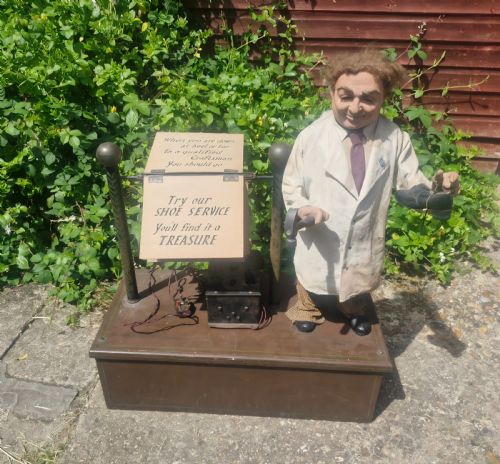
An antique display mannequin serves as a trade figure designed for commercial shop windows and counters, ranging from full-size figures to specific millinery heads and advertising pieces. The items found here span from eighteenth-century Neapolitan figures and nineteenth-century shop signs to twentieth-century Art Deco forms and commercial models.
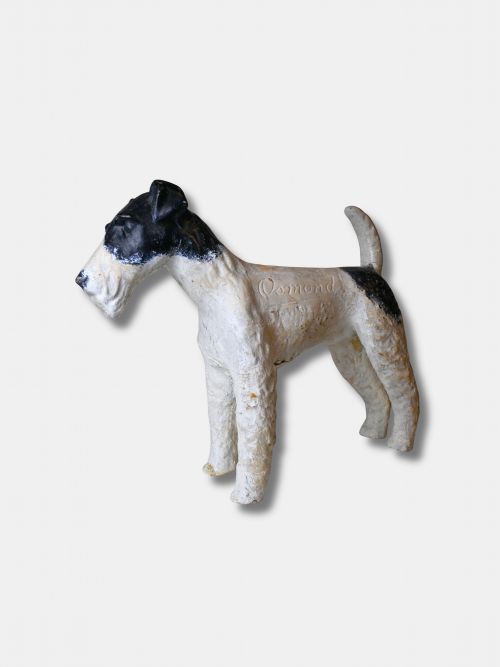
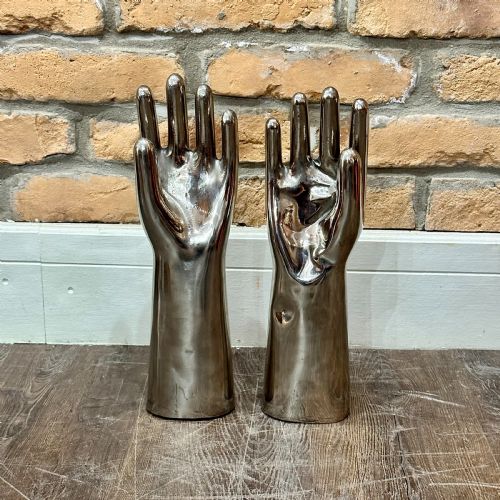
The variety encompasses French and English pieces, including wooden carved millinery heads, composition dog figures, terracotta busts, and aluminium glove moulds. These objects reflect the changing needs of shopkeepers across different periods, from early trade signs to mid-century commercial display units.
Materials and construction
Makers utilised wood, plaster, composition, terracotta, metal, and fabric to construct these figures, often applying paint to finish the surfaces. Carved wooden examples show traditional hand-shaping techniques, while composition and papier-mâché pieces rely on moulded layers finished with pigments.
Metal components appear in specific commercial items such as glove moulds, whereas fabric covers select cloth vintage mannequins. Each material dictated the durability and appearance of the shop display within its retail environment.
The listings on this site span materials from carved wood and terracotta to aluminium, covering periods from the eighteenth to the twentieth century.
Judging the standard of execution
Quality rests on the precision of the carving, the integrity of the original painted surface, and the proportion of the form. Figures with detailed facial expressions and well-preserved structural materials show superior workshop execution.
The distinction between standard commercial units and exceptional sculptural examples lies in the artistic skill applied to the modelling and the survival of authentic period finishes without excessive later alteration.
Pierre Iman
The Antique Display Mannequin Glossary
- Dummy board
- A flat painted wooden figure used as an interior shop display or optical illusion in historic interiors. These silhouette pieces simulate three-dimensional figures.
- Millinery head
- A specialised form designed specifically for shaping, styling, or displaying hats and bonnets. They often feature carved wood or painted plaster.
- Composition
- A moulded mixture of pulp, resin, or plaster used to form durable mannequin bodies. It provides a lighter alternative to solid carved timber.
- Trade sign
- An exterior or interior shop object indicating the specific goods sold within the establishment. Examples include carved figures associated with tobacco or footwear.
- Creche figure
- A sculpted religious figure, often originating from Naples, designed for seasonal displays. These pieces feature articulated bodies and detailed costume work.
Antique Display Mannequin: Frequently Asked Questions
How do I date a mannequin?
Dating relies on the materials used, such as early carved wood versus later composition, alongside stylistic indicators like Art Deco shaping or nineteenth-century folk art characteristics.
Examining construction techniques and any associated trade markings helps place the piece within a specific decade or century.
Where were these figures used?
Shopkeepers placed these models in display windows, on interior counters, and outside trade premises to attract customers and advertise specific wares.
Milliners, haberdashers, and tobacconists utilised them to present hats, gloves, and specialised goods to the public.
How should I clean a painted surface?
Maintenance requires gentle dusting with a soft, dry cloth to prevent damage to aged paint or delicate composition layers.
Avoid liquid cleaners or moisture on historic surfaces, as these can lift original pigments and historic finishes.
Are these figures stable for display?
Most antique display pieces are structurally sound for interior placement, though their aged materials require careful handling and stable environmental conditions.
Heavy wooden or plaster forms need secure placement on flat surfaces to prevent tipping.