


Articulated Wooden Mannequin
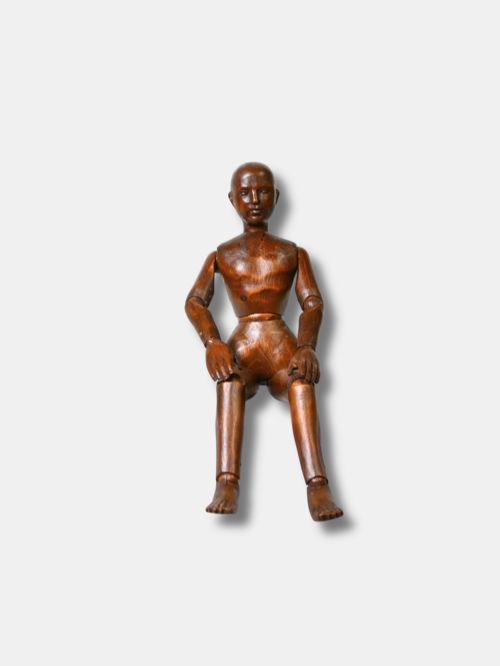
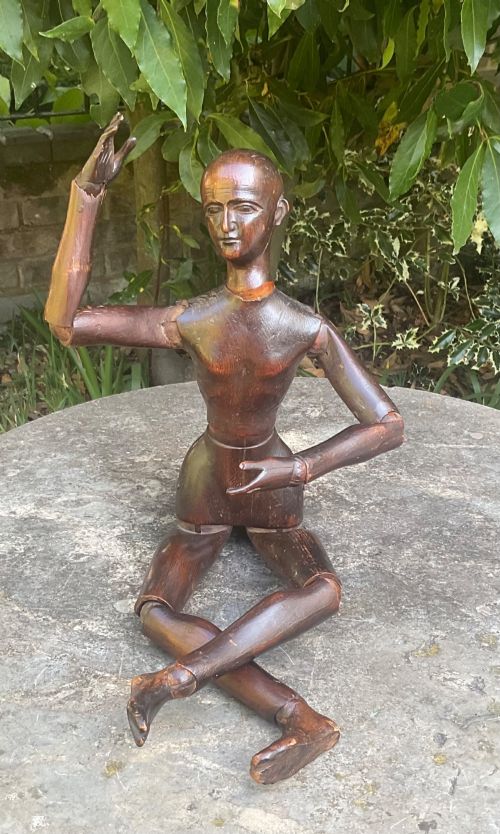
An articulated wooden mannequin serves as a crucial studio companion for artists, capturing the complex mechanics of human anatomy in carved form.
Articulated Wooden Mannequin
An articulated wooden mannequin functions primarily as a study aid for artists, taking forms such as the traditional lay figure and the shop mannequin. These objects emerge from various periods including the nineteenth century and the early twentieth century, reflecting both European studio traditions and broader global craftsmanship.
The inventory on this page spans distinct cultural origins and regional styles, ranging from French workshop creations and Italian processional figures to Edo period Nigerian pieces. Buyers frequently encounter French examples alongside general nineteenth century figures and early twentieth century studio pieces.
Makers utilised these figures for sketching drapery and human posture before the widespread availability of photography. Their presence in a modern interior bridges functional studio tool and striking sculptural object.
How they were made
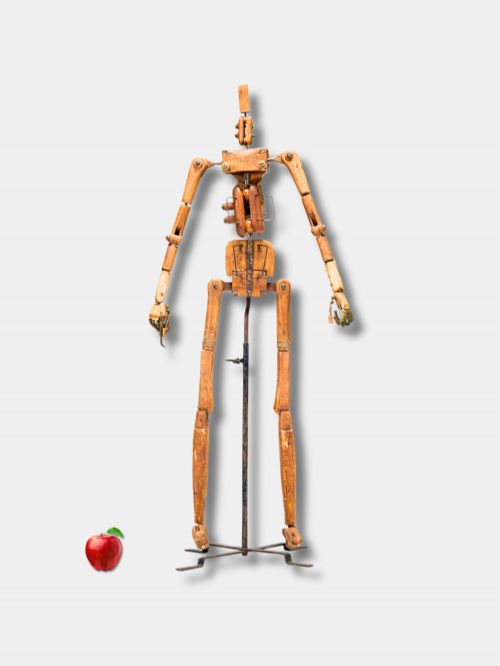
Makers relied predominantly on carved wood and hardwood, shaping the primary mass by hand before adding supplementary elements. Metal, iron, and brass components frequently secure the complex joints, allowing the limbs to rotate and hold specific poses.
Surface treatments vary from bare polished timber to applications of gesso and leather details. Certain figural works incorporate cloth elements or specialised stands to support the weight of larger sculptures.
Articulated Wooden Mannequin Retail Price Guide 2026
Typical asking prices for articulated wooden mannequin among the pieces listed under this phrase on Sellingantiques today, from the lower quarter to the upper quarter. They describe what is for sale here now, not the wider market.
Several figures retain their original leather finger hinges, proving that past artists demanded precise dexterity even from wooden hands.
What varies in quality
The sophistication of the jointing mechanism largely determines the quality of an articulated wooden mannequin. Smooth movement across the shoulders, elbows, and hips indicates superior workshop execution and careful pegging.
Francois-pierre Guillois
The Articulated Wooden Mannequin Glossary
- Lay figure
- An articulated wooden model used by artists for studying the fold of drapery and human posture. These objects allow painters to maintain consistent lighting across multi-figure compositions.
- Gesso
- A plaster-like mixture applied to wooden surfaces to create a smooth ground for subsequent finishes. It provides a crisp texture that defines anatomical details on specific mannequin types.
- Processional figure
- A carved religious sculpture intended for movement during public ceremonies. These figures often share jointing techniques with studio lay figures to accommodate ceremonial garments.
- Articulated
- Having joints or segmented sections that permit movement. This engineering allows the wooden limbs to replicate natural human ranges of motion.
Articulated Wooden Mannequin: Frequently Asked Questions
What is an artist lay figure?
An artist lay figure is a wooden mannequin with movable joints designed to help painters and sculptors study human anatomy and drapery.
These objects were essential studio tools before photography allowed artists to reference frozen moments in time.
How do I date a wooden mannequin?
Dating relies on examining the tool marks, the style of the wooden joints, and any remaining surface treatments like gesso or original paint.
Nineteenth-century examples often show hand-carving characteristics and metal pin construction that differ from later twentieth-century production methods.
Can the limbs be adjusted?
Most antique articulated mannequins retain functional joints in the shoulders, elbows, knees, and hips, though care must be taken with older mechanisms.
Gentle handling is recommended to preserve the original wooden pegs and internal brass or iron fastenings.
Why do some figures have stands?
Life-size or larger lay figures require metal or wooden stands to remain upright while supporting dynamic poses.
Smaller desk-sized versions typically stand independently without additional support.