




Edo Wood Sculpture
These edo wood sculpture pieces are carved figures and miniature works from the nineteenth century, sought after for their intricate detail and historical presence.
Edo Wood Sculpture
When you search for edo wood sculpture, you are looking at small-scale Japanese carvings alongside nineteenth-century African objects. The selections here span the nineteenth century, including pieces dated to eighteen seventy, eighteen eighty, and nineteen hundred.
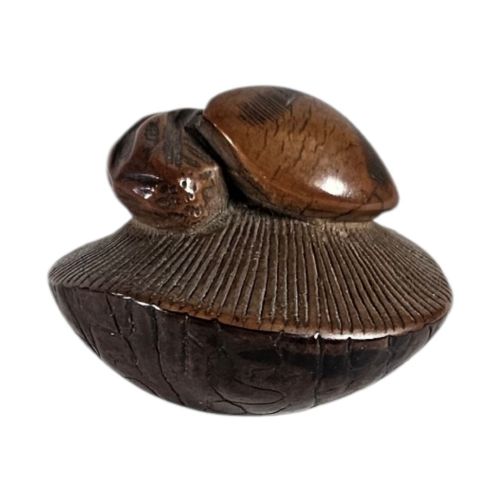
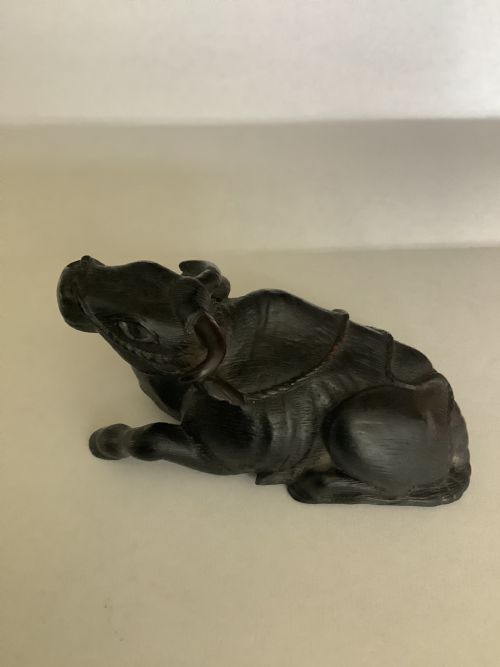
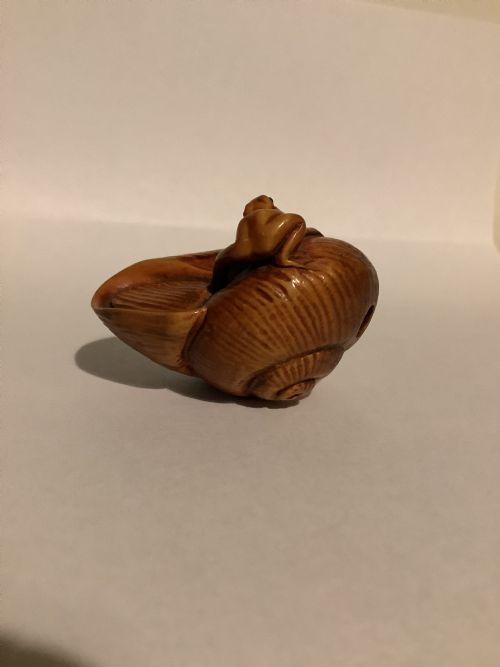
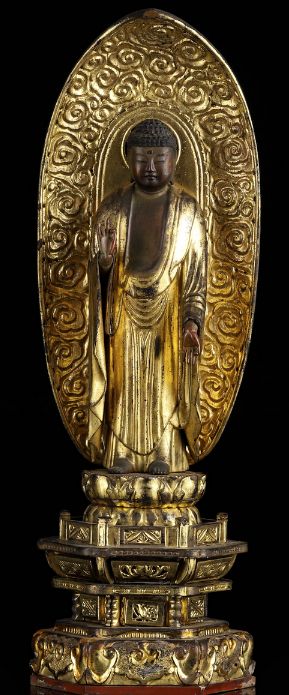
Netsuke form the main group of these objects, alongside figurines and articulated lay figures. Subjects range from snails on mushrooms to wise men on horses, frogs, toads, and Buddhas in gilt wood.
The Japanese Edo style dominates the selection, occasionally overlapping with the Meiji period. Pieces appear in boxwood, general carved wood, and gilt wood with gold leaf highlights.
How they were made
Carvers shaped these works from dense woods like boxwood, alongside general carved wood and exotic timbers. Artisans added surface detail through lacquer, inlaid horn, and applied gold leaf.
The working of the material relied entirely on hand tools to achieve tactile textures and articulated joints. Signatures on select pieces indicate individual makers marked their work directly into the wood.
Listings feature boxwood, gilt wood, and inlaid horn across nineteenth-century Japanese and Nigerian traditions.
What varies in quality
Depth and precision of the carving separate simpler items from the finest work. Naturalistic forms with smooth surfaces and clean lines reflect higher skill in the carver.
The presence of signatures or specialised materials such as inlaid horn and gold leaf elevates specific pieces within the range.
Masayuki
The Edo Wood Sculpture Glossary
- Netsuke
- A small carved toggle fastened to the end of a cord for hanging a pouch from a kimono sash. These practical items doubled as miniature sculptures.
- Sashi netsuke
- A long, slender type of netsuke pushed directly behind the obi sash rather than suspended on a cord. They often secure pipe cases or tobacco pouches.
- Boxwood
- A dense, pale hardwood favoured by carvers for its fine grain and ability to hold intricate detail without splintering. It develops a rich patina with handling.
- Gilt wood
- Wood that has been coated with a thin layer of gold leaf or paint. This finish creates a luminous surface for religious figures like Amitabha Buddha.
- Articulated lay figure
- A movable wooden model with jointed limbs used for studying the human form. These figures demonstrate complex mechanical construction in wood.
Edo Wood Sculpture: Frequently Asked Questions
What is an edo wood sculpture?
These pieces are hand-carved objects created during the Edo period or under its stylistic influence in the nineteenth century. They include miniature toggle carvings, figurines, and articulated models.
Materials range from standard boxwood to gilt wood and exotic timbers. Many depict animals, mythical figures, or human subjects with notable realism.
How were netsuke used?
Netsuke functioned as practical toggles in traditional Japanese dress. They anchored small containers and pouches to the sash of a kimono.
Their design allowed the cord to pass smoothly through carved channels while resting securely against the fabric during daily wear.
How do I identify the period?
Dating relies on stylistic markers associated with nineteenth-century craftsmanship and traditional Japanese carving conventions. Signatures and specific material choices also help anchor pieces in time.
Comparing the subject matter and tool marks against documented examples provides further context for the date of origin.
Where should I display them?
These small-scale carvings suit secure cabinet display where their tactile qualities and fine details remain visible. Stable indoor conditions protect the wood and surface finishes from extreme humidity.
Placing them away from direct sunlight preserves the original tones of the boxwood and gold leaf.