




African Wooden Figurine
An african wooden figurine carries the hand of the carver and the weight of ritual, offering a direct link to historical West and Central African traditions.
African Wooden Figurine
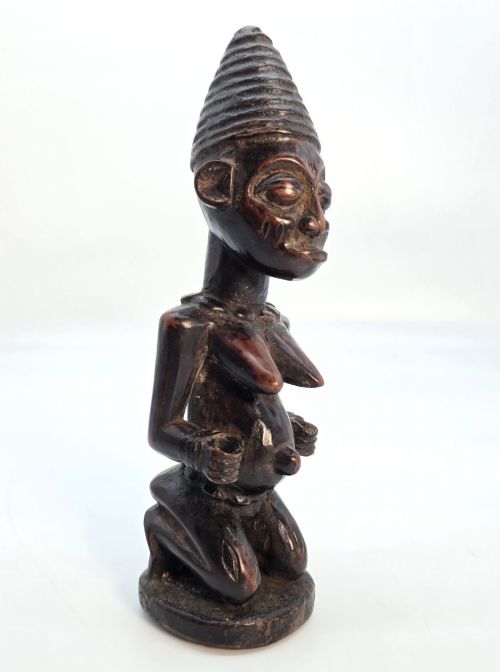
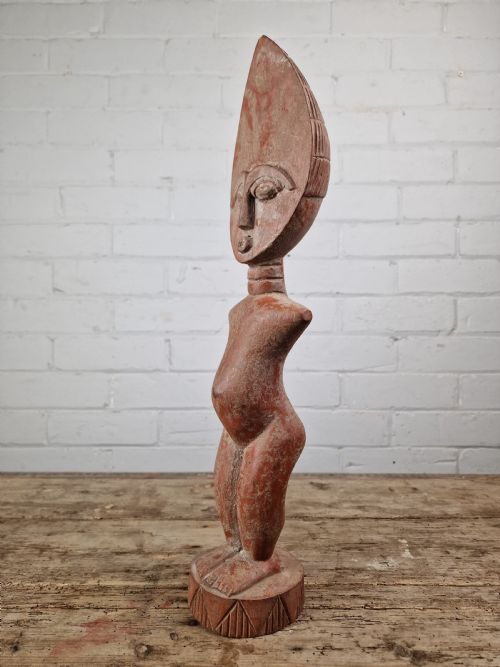
When you search for an african wooden figurine, you are looking at carved sculptures that originate from distinct regional cultures and peoples across the continent. The selection spans the nineteenth and twentieth centuries, encompassing fertility figures, tribal art, and animal studies.
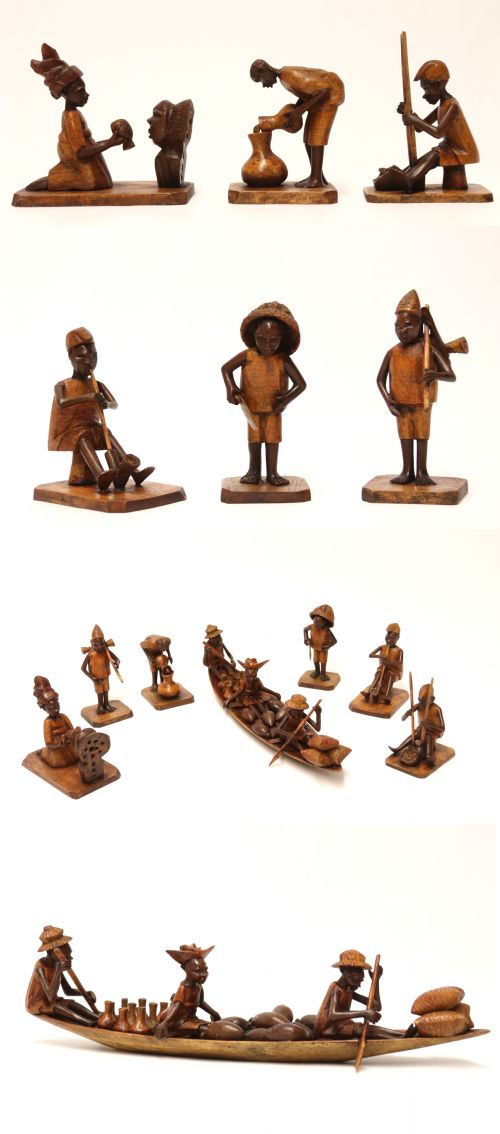
The objects serve varied cultural functions, from memorial figures and fertility representations to depictions of daily life and leadership. Each piece reflects the aesthetic conventions of its specific maker and region of origin.
How they were made
Many examples incorporate secondary materials such as bone, glass beads, and surface pigments including indigo to accentuate specific decorative elements or clothing details. Centuries of handling and application have left natural patinas across the carved surfaces.
Listings feature hardwood and carved wood sculptures spanning the late nineteenth century through the mid twentieth century.
What varies in quality
The strength of the carving distinguishes standard decorative items from masterworks, with superior pieces showing confident knife work and balanced proportions. Facial expressions and anatomical details reveal the skill of the individual carver.
Surface condition and the presence of original pigments or deep patinas alter the character of each sculpture. Pieces with documented cultural context or identified authorship carry distinct historical weight.
Yoruba·Edo Bini People·Fante Tribe·Maasai·Abegunde of Ede
The African Wooden Figurine Glossary
- Hardwood
- Dense timber derived from broad-leaved trees, providing a durable medium for detailed sculptural work. This material resists heavy wear and holds fine carved lines over generations.
- Patina
- The surface sheen and colour developed through age, handling, and environmental exposure. It forms a protective layer that distinguishes older organic surfaces from recent finishes.
- Tribal art
- Creative output produced by indigenous communities, often tied to spiritual, social, or ceremonial practices. The term encompasses distinct regional traditions across Africa.
- Fertility figure
- A carved representation traditionally associated with promoting birth, family lineage, or agricultural abundance. These sculptures often feature prominent maternal symbols.
African Wooden Figurine: Frequently Asked Questions
What is an African wooden figurine?
An african wooden figurine is a hand-carved sculptural object created by indigenous artists across various African regions, reflecting specific cultural traditions and artistic styles.
These pieces range from functional tribal figures and fertility objects to portrait busts and animal studies produced in hardwood.
How can I tell the age of a carved figure?
Age is indicated by the depth of the surface patina, tool marks left by the carver, and the natural oxidation of the exposed hardwood over time.
Examining secondary materials like glass beads and pigment remnants also helps place the sculpture within nineteenth or twentieth-century production periods.
Where did these wooden figures originate?
The pieces originate from distinct tribal groups and geographic areas, including Nigeria, Ghana, and Gabon, reflecting local cultural practices.
Specific regional traditions, such as those of the Yoruba and Edo peoples, heavily influence the form and iconography of each sculpture.
How should I care for antique wood sculptures?
Protect wooden figures from direct sunlight and dramatic fluctuations in room temperature to prevent the hardwood from drying out or splitting.
Dust the surface gently with a soft dry cloth and avoid applying modern polishes or oils that might alter the historic patina.