


Anatomical Artist Model
An anatomical artist model is a sculptural study used for mastering form, and these pieces offer tangible insight into historic studio practice.
Anatomical Artist Model
An anatomical artist model serves as a practical studio reference for rendering the human or animal form. When you search for an anatomical artist model, you encounter historical teaching aids and studio properties rather than contemporary replicas.
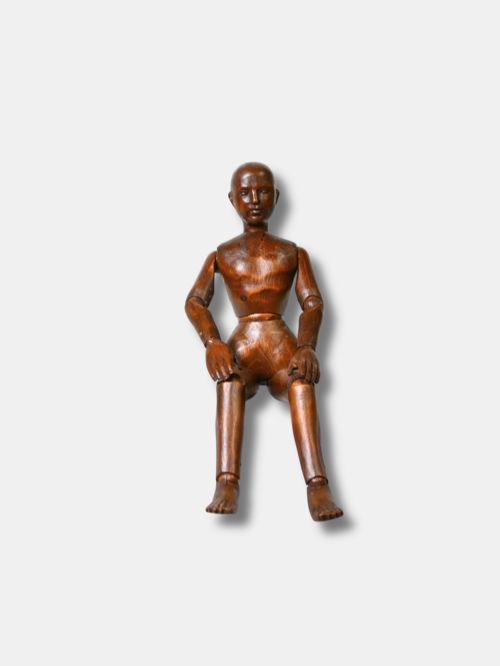
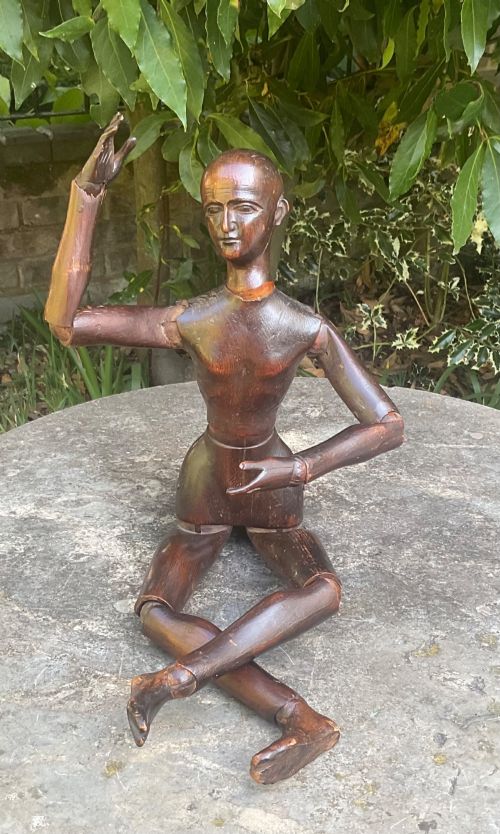
The selections on this page span the late nineteenth century and the early twentieth century, including Victorian and Edwardian examples. You will frequently find articulated wooden lay figures alongside plaster casts and terracotta studies.
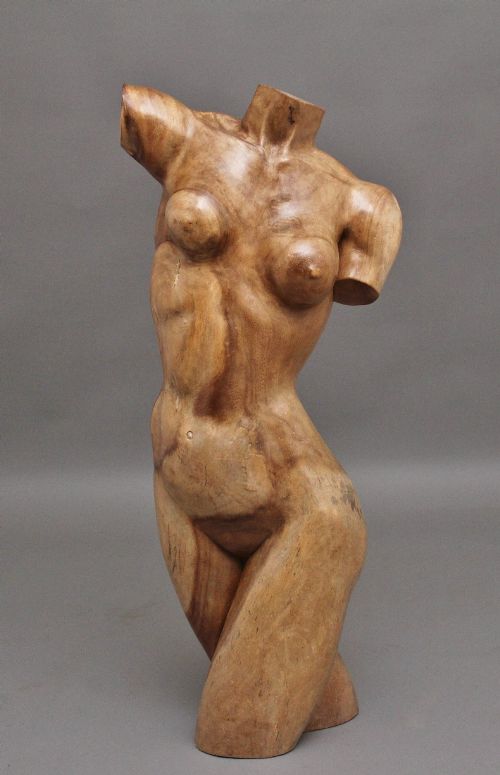
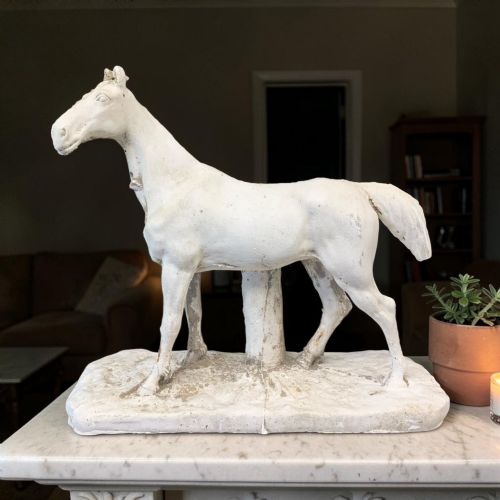
Forms range from full human figures and female torsos to specific studies such as a horse model, an écorché head, and a cast of an eye. These objects reflect the rigorous training methods employed by artists and sculptors across European workshops.
How they were made
Makers shaped these pieces primarily from carved wood, plaster, and terracotta, often utilising iron for internal armature and joints. Wooden examples rely on precise carving to create fully articulated segments that mimic human movement.
Plaster and terracotta models involve casting techniques that capture fine surface details from moulds taken of human subjects or classical sculptures. Artisans finished these surfaces by hand, sometimes applying patination or anatomical markings to delineate muscle groups.
Periods represented span from the late nineteenth century through to nineteen-thirty, including Edwardian examples.
What varies in quality
The distinction between standard studio props and exceptional pieces rests upon the precision of the anatomical rendering and the complexity of the articulation. Superior wooden lay figures display fluid movement across multiple joints without stiffness.
Material execution further separates the range, as seen in deeply carved wood grains or crisply cast plaster and terracotta that retain sharp sculptural definition. Signed pieces or those demonstrating specific regional European provenance command greater interest.
The Anatomical Artist Model Glossary
- Lay figure
- An articulated wooden model used by artists to arrange drapery and study posture. These manikins feature pegged joints allowing various poses.
- Écorché
- A figure drawn, painted, or sculpted showing the muscles of the body without skin. This technique helps artists understand underlying musculature.
- Terracotta
- Fired clay used for sculptural models and studies. The reddish-brown material records fine hand-modelling details.
- Armature
- The internal framework supporting a sculpture or model. In articulated figures, metal pins often join wooden sections together.
- Plaster cast
- A copy of a sculpture or life subject made by pouring plaster into a mould. These casts served as standard instructional aids in academies.
Anatomical Artist Model: Frequently Asked Questions
What is an artist lay figure?
An artist lay figure is a wooden articulated manikins designed to hold poses for drawing drapery and human anatomy.
These objects allowed painters and sculptors to work from a consistent physical reference in the studio.
How were plaster models used?
Plaster models served as standard instructional tools in nineteenth and twentieth-century art academies and studios.
Students drew from these casts to learn light, shadow, and proportion before working from live models.
What is an écorché study?
An écorché study displays the human body with the skin removed to reveal the muscular structure beneath.
Artists utilised these models to achieve accuracy in anatomical rendering and figurative sculpture.
Are these pieces antique?
The pieces listed date from the late nineteenth century through the early twentieth century, encompassing Victorian and Edwardian periods.
They originate from European workshops and studios operating during those eras.