


Vintage Artists Model
These vintage artists model pieces are articulated figures, studies, and studio stands that bring genuine creative history into a room.
Vintage Artists Model
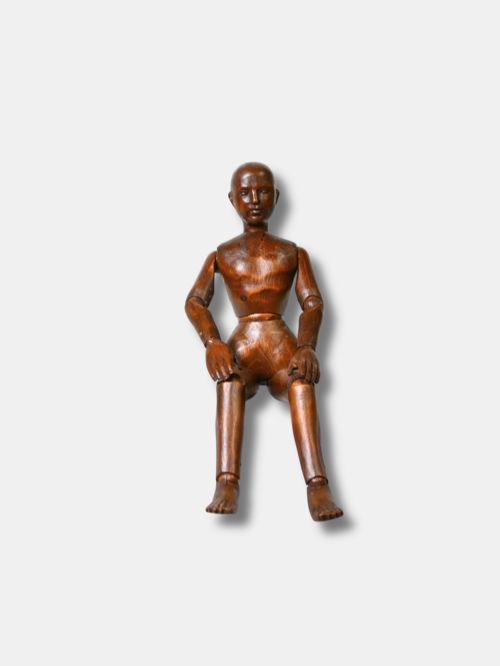
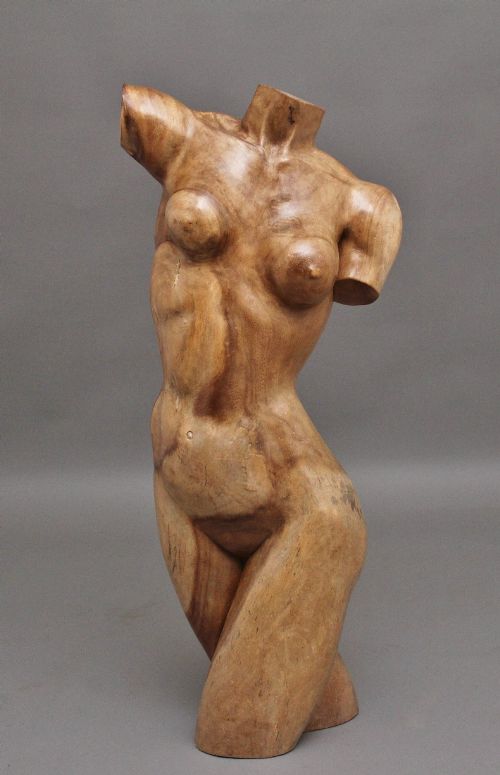
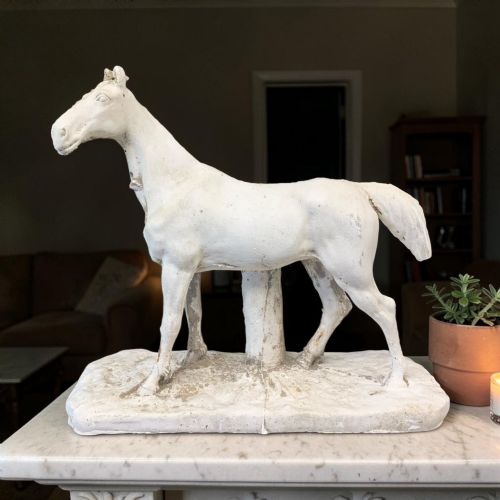
When you search for vintage artists model, you encounter a specialised range of studio equipment including articulated wooden figures, life-size female torsos, and horse casts. These objects served painters and sculptors as reliable forms for drapery and anatomy study before the camera took over that role.
The selections span the nineteenth century through the mid twentieth century, featuring French and German origins alongside British works. You will frequently find wooden lay figures alongside plaster casts, oil paintings of studio models, and sculptor stands.
The practical function of these pieces dictates their character, showing the wear of active studios and the careful joinery required for movable limbs. They bridge the gap between utilitarian studio tools and sculptural objects in their own right.
How they were made
Carved wood provides the structural basis for articulated lay figures, utilising hardwoods and pegged joints to achieve flexible movement across shoulders, elbows, and knees. Master carvers shaped these pieces to mimic human proportions accurately for studio use.
Plaster casts capture fine anatomical detail through moulds taken directly from subjects or sculpted models, resulting in solid representations like the studio horse models. Terracotta offers another sculptural medium, shaped and fired to record anatomical precision as seen in male models.
Canvas paintings employ oil paints to capture the living model in the studio interior, relying on traditional pigments and brushwork. Gilt wood frames often complement these works, completing the presentation of nineteenth and twentieth-century academic scenes.
Listings for vintage artists model include carved wood, plaster, terracotta, and oil on canvas spanning the nineteenth and twentieth centuries.
What varies in quality
The sophistication of the articulation separates simple jointed dolls from high-grade lay figures, with superior examples offering fully movable fingers and subtle muscular carving. The precision of the proportions dictates whether a piece served a rigorous academic studio or a more decorative function.
Material execution defines the upper tier of studio models, where skilled carving in hardwood or crisp definition in plaster and terracotta demonstrates superior craftsmanship. Surface preservation and the retention of original pegged joints further distinguish pieces that survived active studio use intact.
The Vintage Artists Model Glossary
- Lay Figure
- An articulated wooden model used by artists to arrange drapery and study posture. These figures feature movable joints secured with wooden pegs or metal pins.
- Articulated
- Having joints that allow movement in imitation of the human body. This quality allowed artists to maintain consistent poses over extended periods.
- Terracotta
- Fired clay used for sculptural models and anatomical studies. The medium allows for fine surface detail and a durable matte finish.
- Plaster Cast
- A sculpture formed by pouring plaster into a mould. Studios utilised these for durable three-dimensional reference material.
- Sculptor Stand
- A rotating or adjustable pedestal designed to elevate work in progress. These heavy stands supported both clay models and stone blocks during carving.
Vintage Artists Model: Frequently Asked Questions
What is an artist lay figure?
An artist lay figure is a jointed wooden mannequin used historically to study clothing folds and human posture.
Painters and sculptors relied on these articulated models when live sitters were unavailable.
How were anatomical models used?
Anatomical models provided sculptors and painters with accurate muscle and skeletal reference points.
These plaster or terracotta pieces ensured correct proportions in academic artwork.
Are these models French or British?
The pieces originate from various European centres, with notable French and German examples appearing alongside British works.
Continental studios produced many of the surviving articulated figures and terracotta models.
How do I date a lay figure?
Dating relies on the carving style, the type of wood, and the construction of the movable joints.
Nineteenth-century examples typically show hand-carved details and pegged wooden mechanisms.
Can I use these in modern interiors?
These studio objects integrate easily into contemporary rooms as sculptural focal points on desks or stands.
Their neutral wood and plaster tones complement various interior styles.