


Brown Wooden Mannequin
These brown wooden mannequin pieces are articulated figures and display forms used by artists and shopkeepers, prized for their sculptural presence.
Brown Wooden Mannequin
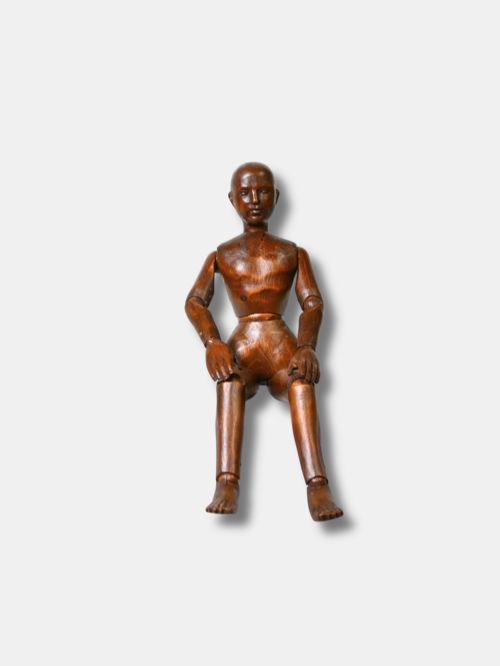
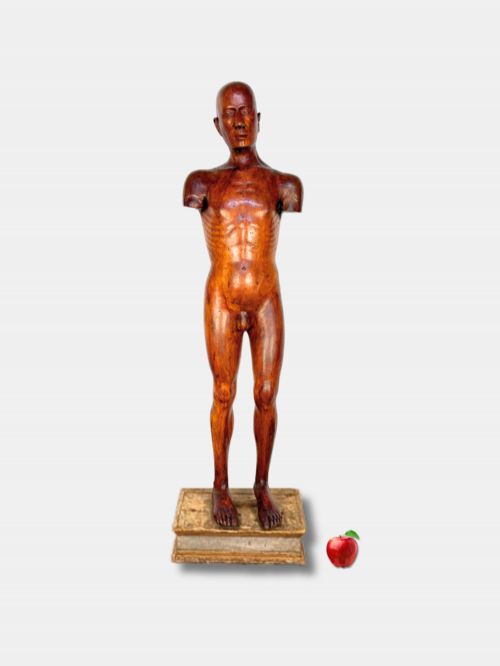
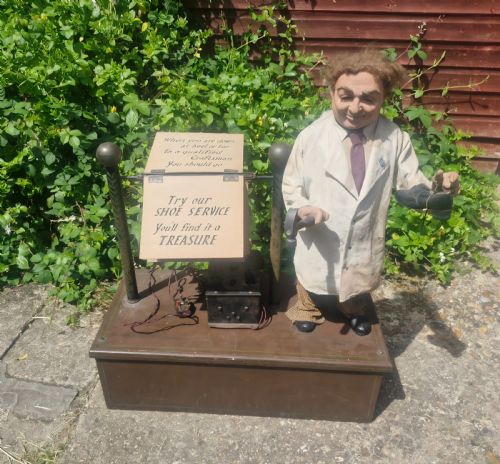
A brown wooden mannequin encompasses artists' lay figures, shop display models, and millinery heads originating from the eighteenth to the twentieth centuries. These objects served practical purposes in studios and shop windows before becoming decorative items for modern interiors.
Buyers will encounter various forms including life-size figures, smaller desk-sized lay figures, and specialised display dummies. Each object reflects its original working life through carved details and articulated joints.
Materials and construction
Carved wood forms the primary material for these figures, often shaped from hardwood and combined with metal pins or joints to allow movement. Artisans also utilised fabric, paint, iron, and composite materials to construct specific display models and millinery heads.
The listings span from seventeen-fifties Italian carved figures to nineteen-thirties commercial shop models, utilising wood, metal, fabric, and terracotta.
Assessing quality and character
Quality in these figures depends upon the precision of the carving, the complexity of the articulation, and the preservation of the original surface finish. Finer pieces demonstrate careful anatomical proportion and functional joints that retain their movement.
The character of a piece often derives from its surface wear and traces of original paint or use. Pieces with distinctive regional characteristics, such as folk art interpretations or specific shop provenance, carry greater sculptural interest.
The Brown Wooden Mannequin Glossary
- Lay figure
- An articulated wooden model used by artists for arranging drapery and studying human posture. These jointed figures allow for precise positioning during drawing and painting.
- Millinery head
- A specialised display form designed for shaping and exhibiting hats and bonnets. These heads were commonly utilised in nineteenth and early twentieth-century shops.
- Display dummy
- A shop model used to showcase garments or accessories to customers. These figures range from full-size bodies to specific advertising busts.
- Articulation
- The jointed construction of a figure that permits movement and posing. Metal pins and wooden sockets allow limbs to mimic human motion.
Brown Wooden Mannequin: Frequently Asked Questions
What is a lay figure?
A lay figure is an articulated wooden model used by artists to study human form and drape clothing.
These jointed mannequins allowed painters and sculptors to work from a consistent physical reference in the studio.
How were millinery heads used?
Millinery heads served as structural blocks for shaping hats and as display pieces in shops.
Milliners used them to construct headwear, while merchants placed them on counters to showcase finished hats to buyers.
How do I date a wooden mannequin?
Dating relies on the carving style, the type of joints used, and materials such as iron pins or fabric.
Earlier eighteenth and nineteenth-century pieces often feature hand-carved details and specific joint mechanisms distinct from later commercial models.
Where should I place a mannequin?
These figures suit tabletops, shelves, or dedicated stands where their articulated forms can be appreciated as sculpture.
Keep them away from direct heat sources and excessive moisture to protect the wooden joints and original finishes.