



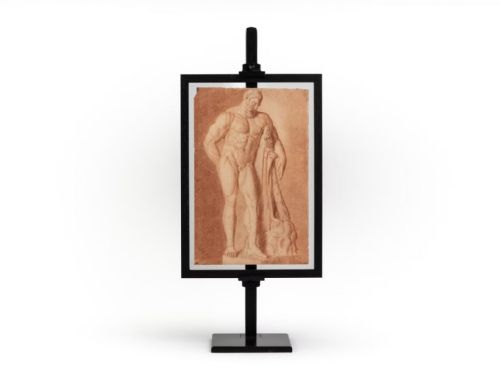


Antique Anatomical Figure
An antique anatomical figure serves as a striking study of the human form, offering a direct link to historic artistic and medical instruction.
Antique Anatomical Figure
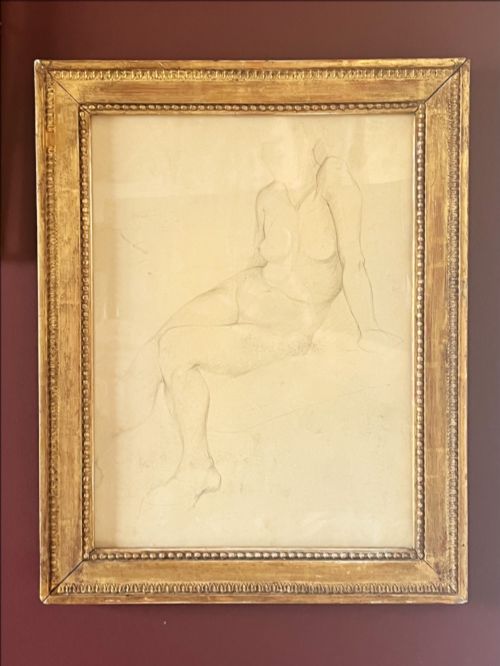
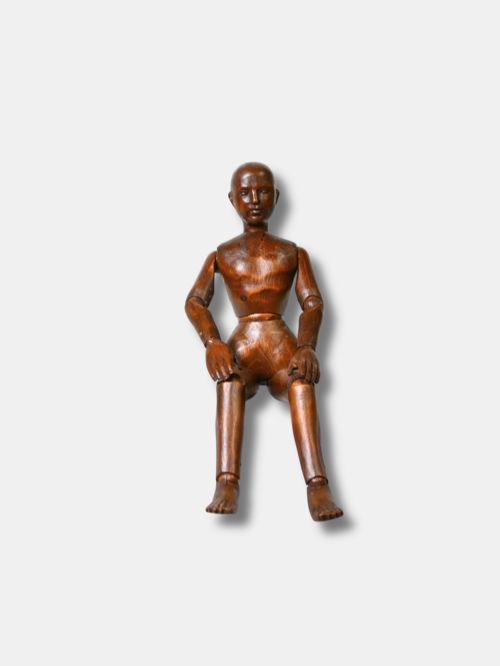
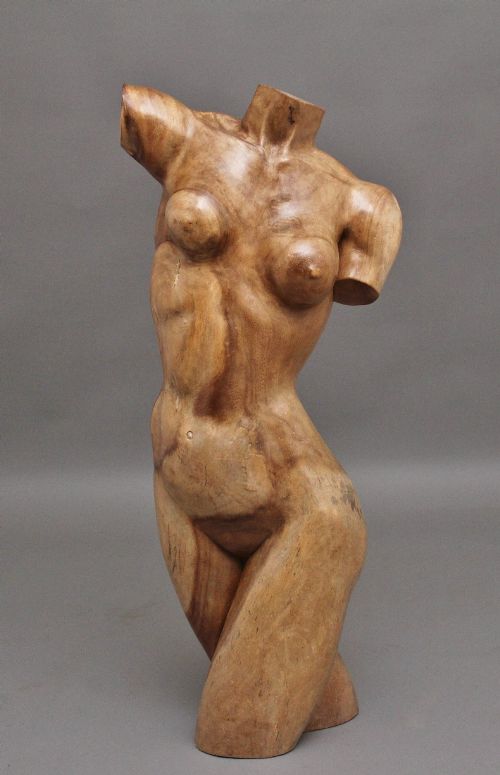
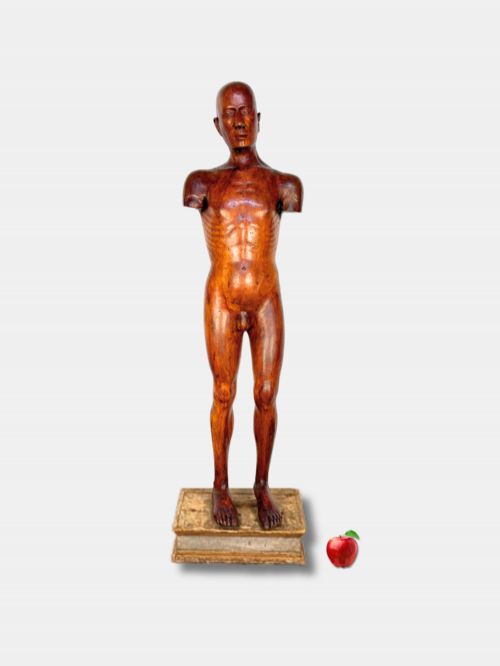
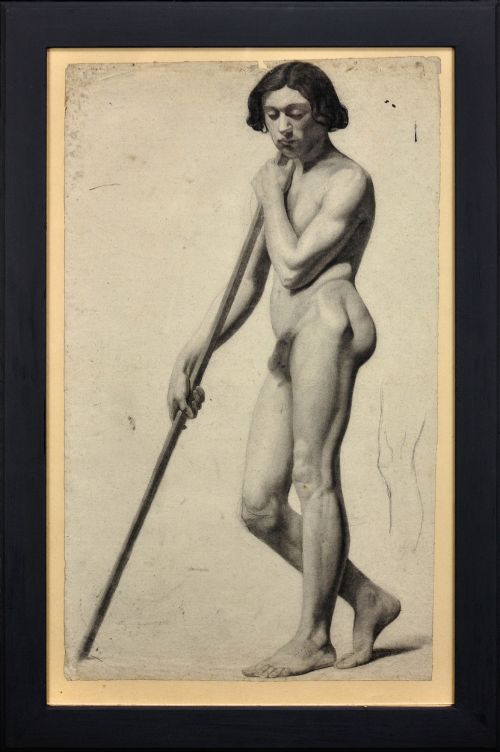
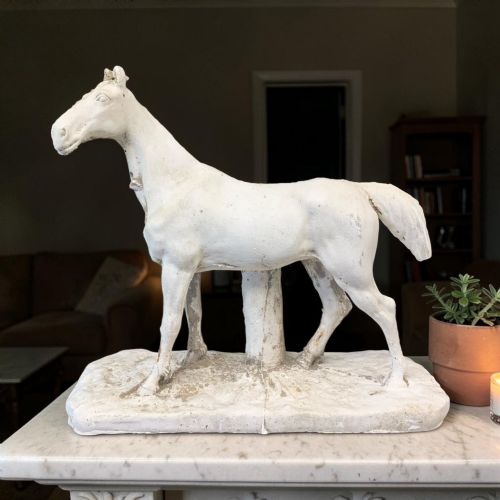
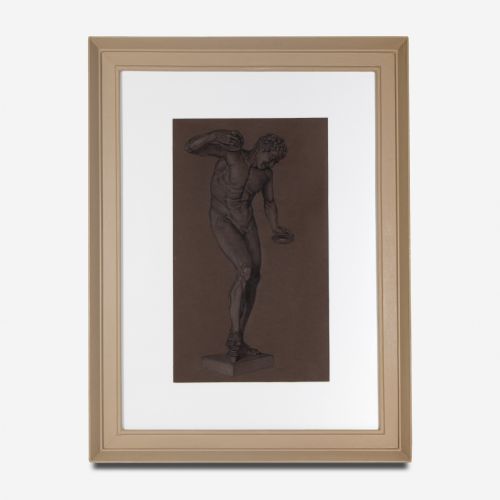
An antique anatomical figure encompasses carved wooden lay figures, detailed drawings, and sculptural models used for the study of the human body. These pieces range from life-size carved wooden men and female torsos to framed academic life studies in pencil, graphite, and oil on paper.
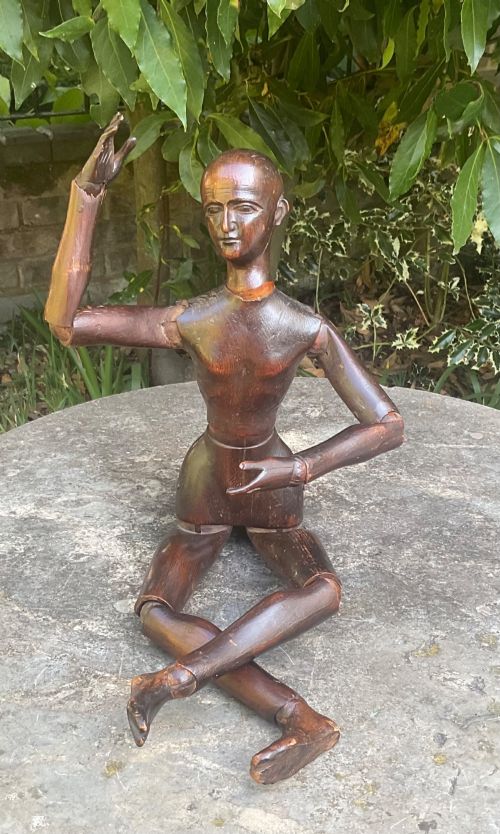
The version most commonly encountered on this page is the articulated wooden artist lay figure, alongside framed 19th century life drawings and sculptural studies. Originating from French, Italian, and English traditions, these objects reflect rigorous academic training and studio practice.
Buyers look for these figures to bring historic sculptural presence and graphic precision into a room. Whether through a French carved wood mannequin doll or an Italian Santos figure on a plinth, each item demonstrates the enduring utility of the human form in art.
How They Were Made
Carved wood provides the primary structure for the articulated lay figures and sculptural models found in these listings. Artisans shaped hardwood into fully movable joints to allow for accurate positioning in the studio.
Paper and canvas serve as the base for the framed artwork, captured through graphite, charcoal, red chalk, and oil paint. These traditional drawing and painting mediums document academic studies of the nude form with careful precision.
Listed styles span academic realism, Italian baroque, Victorian, and early 20th century modernism.
What Varies in Quality
The articulation and articulation joints of wooden lay figures dictate their mechanical integrity and visual fluidity. Pieces with well-carved limbs and functional joints show a higher degree of studio utility and sculptural finish.
In works on paper and canvas, the clarity of the academic study and the strength of the draughtsmanship separate standard examples from superior ones. Detailed handling of shadow and form in graphite or red chalk demonstrates the skill of the academic artist.
Henry Arthur Roberts·Alexandre Louis Martin
The Antique Anatomical Figure Glossary
- Artist Lay Figure
- A wooden articulated mannequin doll used by painters and sculptors to study drapery and the human form. These figures feature movable joints to hold specific poses in the studio.
- Academic Realism
- A style of painting and drawing produced under the influence of European academies of art. This approach prioritises accurate anatomical rendering and classical proportions.
- En Grisaille
- A painting executed entirely in shades of grey or a single neutral colour. This technique often mimics the appearance of a sculpture or relief.
- Memento Mori
- An artistic or symbolic reminder of the inevitability of death. These objects often incorporate skeletal forms to encourage reflection on mortality.
Antique Anatomical Figure: Frequently Asked Questions
What is an artist lay figure?
An artist lay figure is a jointed wooden model used by painters and sculptors to arrange clothing and study the human body in various poses.
These carved figures allow artists to observe how light falls across fabric and muscle without requiring a live model for every stage of a work.
How were anatomical figures used historically?
Historic studios utilised these figures and drawings for rigorous academic training in proportion, perspective, and human anatomy.
Students and masters relied on them to master the complexities of the physical form before committing paint or marble to a finished piece.
What materials are common in these figures?
Carved hardwood forms the basis of the sculptural models and articulated mannequins found in these collections.
Works on paper utilise graphite, charcoal, red chalk, and oil paint to capture detailed studies of the human torso and limbs.
How should I display an anatomical figure?
These pieces fit naturally into studies, libraries, or living spaces as sculptural focal points or framed wall art.
Placing wooden figures on plinths or hanging academic drawings in simple frames highlights their historic studio origins.