


Antique Artist Model
An antique artist model brings the quiet atmosphere of the nineteenth-century studio into a modern room, offering articulated wooden figures and plaster studies for daily display.
Antique Artist Model
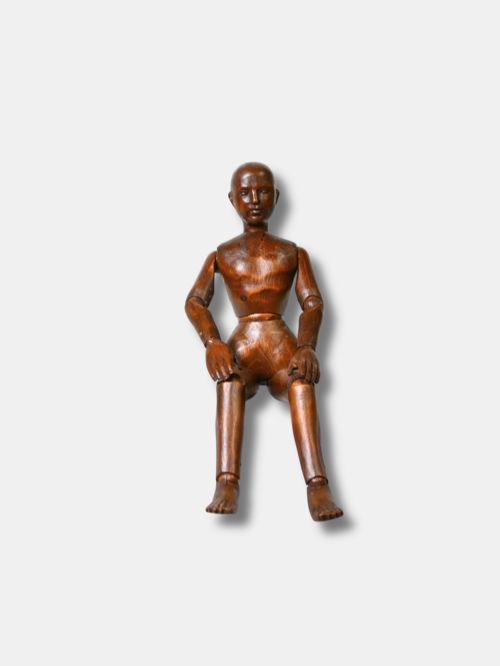
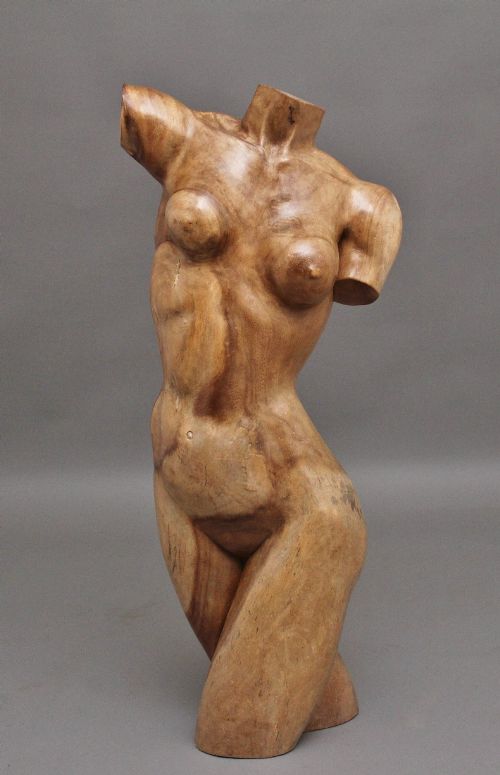
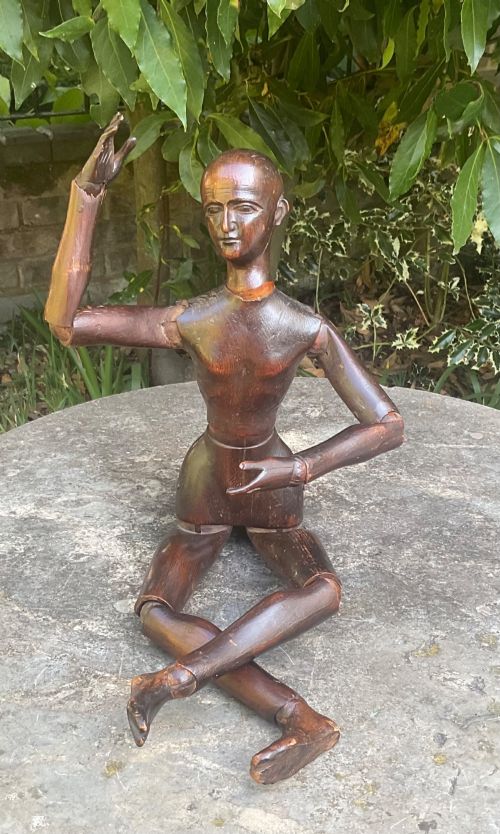
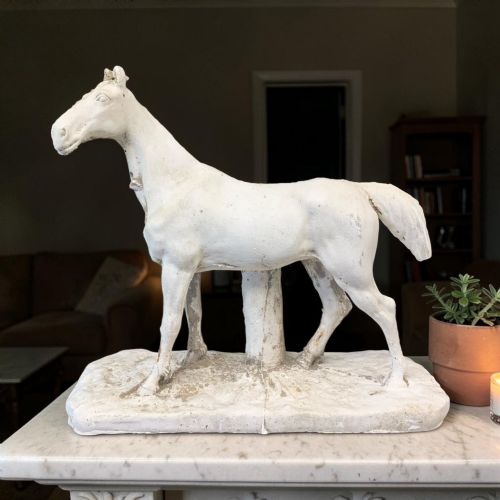
When you search for an antique artist model, you are looking at nineteenth-century and early twentieth-century studio furniture designed to assist painters and sculptors with posture and drapery. The selection on this page centres on carved wood artist lay figures, articulated mannequins, and anatomical subjects including human torsos, a horse, a dog, and a foot.
Most items you will meet date from the nineteenth century through the 1930s, originating from French, German, and broader European workshops. Alongside fully jointed wooden dolls, the evidence shows plaster cast models, terracotta anatomical pieces, and sculptor stands that served the same practical studio function.
The forms vary from table-top articulated figures measuring around forty-three centimetres to life-size wooden and plaster examples. You also encounter specific anatomical studies such as a terracotta male model and individual animal forms, reflecting the varied needs of historical fine art training.
How they were made
Makers utilised hardwoods such as beech and oak, alongside general carved wood, to construct articulated figures with pegged joints that allowed the limbs to hold a pose. Iron components frequently form the internal mechanisms and stands that support the heavier life-size sculptures and pedestals.
Plaster and terracotta appear in studio casts and anatomical models, capturing fine surface detail through mould work and hand-finishing. Wood carvers shaped the human and animal forms by hand, ensuring the proportions matched the academic standards of nineteenth-century European art academies.
Listings on this site span the nineteenth century to the 1930s, featuring carved wood, iron, plaster, oak, and beech.
What varies in quality
Quality rests in the precision of the articulation and the anatomical accuracy of the carving or casting. Pieces with fluidly moving joints and carefully proportioned hands and limbs show the hand of a skilled maker rather than a commercial workshop.
The integrity of the original surface finish, whether aged wood patina or untouched plaster, distinguishes pieces that remained in working studios from later replacements. The complexity of the subject, such as a fully jointed human figure versus a static animal study, alters the visual weight of the object in a room.
The Antique Artist Model Glossary
- Lay figure
- A jointed wooden or composition model used by artists to drape fabric and study human posture. These figures possess pegged joints at the shoulders, elbows, hips, and knees.
- Articulated
- Jointed in a manner that permits movement and positioning of limbs. This mechanical feature allowed artists to maintain consistent lighting and perspective across multiple painting sessions.
- Plaster cast
- A three-dimensional copy formed by pouring liquid plaster into a mould. Studios utilised these for drawing instruction and anatomical reference before the introduction of photography.
- Anatomical model
- A representation of human or animal muscular and skeletal structure used for medical and artistic study. Examples appear in terracotta and plaster across the historical record.
- Atelier
- A French term for an artist's workshop or studio. Pieces bearing this designation typically reflect continental academic training methods.
Antique Artist Model: Frequently Asked Questions
What is an artist lay figure?
An artist lay figure is a jointed wooden mannequin built to hold poses for painters and sculptors studying drapery and light.
Historically, these objects sat in workshops across Europe to replace human sitters during long compositional studies.
How do I display an antique model?
You can place table-top figures on desks, shelves, or dedicated sculptor stands to highlight their articulated forms.
Larger life-size wooden torsos and animal models function well as freestanding sculptural focal points in a room.
Are these models fully articulated?
Many of the wooden examples feature working joints secured with wooden pegs or metal pins in the limbs.
Some pieces, such as plaster casts, terracotta anatomical studies, and pedestals, remain static without moving parts.
Where were these pieces made?
The recorded items originate primarily from French and German workshops active during the nineteenth and early twentieth centuries.
French ateliers and German studios produced much of the surviving material found on this page today.