


Wooden Artist Model
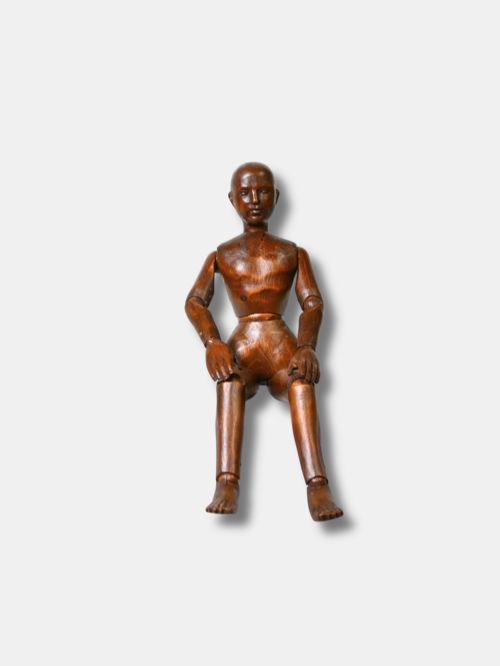
These wooden artist model pieces are articulated figures and studies used for capturing the human form, offering tangible character to any interior.
Wooden Artist Model
When you search for a wooden artist model, you encounter historical studio tools designed to assist draughtspersonship and sculpture by holding fixed poses. The selection here spans nineteenth-century European examples alongside early twentieth-century modernism, encompassing French, German, and Italian origins.
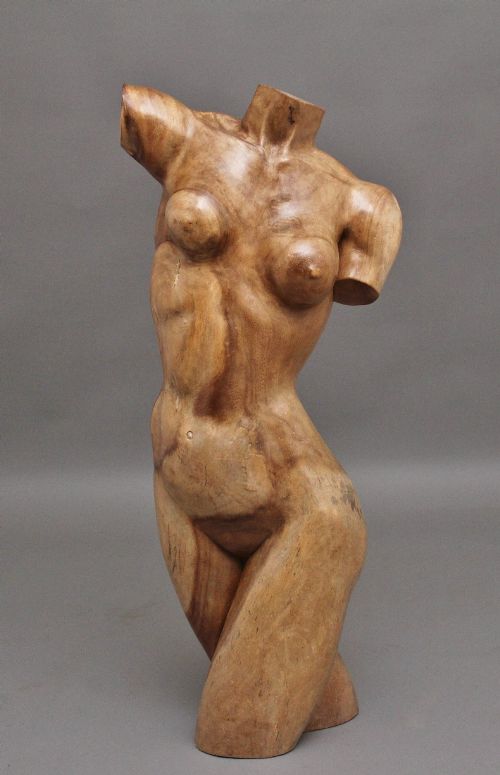
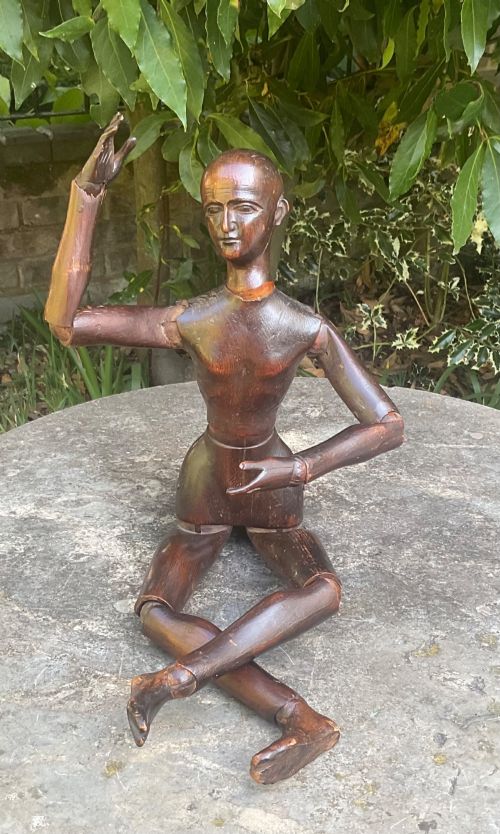
You are most likely to meet fully articulated lay figures and mannequins carved from wood, alongside specialised anatomical studies such as an écorché head. Forms range from desktop proportions up to life-size female torsos and complete figures mounted on stands.
The typology also incorporates related studio furniture, including sculptor stands and pedestals that served alongside the primary figures. These objects bridge the gap between functional atelier equipment and sculptural decorative objects.
How they were made
Makers shaped these pieces primarily from carved hardwood, beech, and oak, utilising metal and iron components to create the functional joints necessary for articulation. The reliance on carved wood allowed workshops to fashion movable limbs and rotating segments that held specific postures.
Certain objects display specialised anatomical detailing carved directly into the material, such as the muscular structures seen on écorché studies. Other examples receive a natural wood finish that highlights the grain and the hand-carved execution of the atelier.
Listings feature items from the nineteenth century up to the nineteen-thirties, utilising beech, oak, and general hardwood alongside iron and metal.
What varies in quality
The sophistication of the articulation mechanism dictates much of the distinction across these figures, separating basic block forms from pieces with fully operational joints. Finer examples retain smooth movement in the limbs and torso, allowing complex positioning.
The Wooden Artist Model Glossary
- Lay figure
- An articulated wooden model used by artists to drape fabrics and study drapery and posture. These figures range in size from tabletop models to life-size specimens.
- Écorché
- A figure drawn, painted, or sculpted showing the muscles of the body without the skin. These anatomical studies assist in understanding human form and musculature.
- Articulated
- Jointed to allow motion and flexibility in the limbs. This mechanical property enables the figure to hold varied human poses.
- Atelier
- An artist's or designer's studio or workshop. Pieces originating from French ateliers often display distinct regional carving traits.
Wooden Artist Model: Frequently Asked Questions
What is a wooden artist model?
A wooden artist model is a jointed mannequin or study created to help artists render the human body accurately. These figures were standard equipment in nineteenth and early twentieth-century studios.
They allowed painters and sculptors to study light, shadow, and posture without relying continuously on a live sitter. Today, they function as striking decorative objects.
How were lay figures used?
Artists positioned the movable wooden limbs of lay figures to replicate complex human poses over extended periods. Costumes or fabric drapery were often pinned directly to the wood to study folds and shadows.
Larger life-size models served for broader compositional planning, while smaller desktop versions accommodated close-range perspective drawing and painting.
How do I date a wooden model?
Dating relies upon examining the carving style, the complexity of the metal or wooden joints, and the overall aesthetic movement reflected in the piece. Nineteenth-century examples often display traditional European workshop techniques.
Early twentieth-century pieces may show modernist influences or simplified anatomical reductions. Material choices, such as specific hardwoods and iron hardware, also provide chronological indicators.
Where should I place these in a room?
These figures suit display on mantelpieces, bookshelves, or dedicated sculptor stands where their sculptural form remains visible. Their neutral wood tones integrate easily into various interior styles.
Placing them in a well-lit study or hallway highlights the articulated limbs and hand-carved surface textures.