




Anatomical Wooden Figure
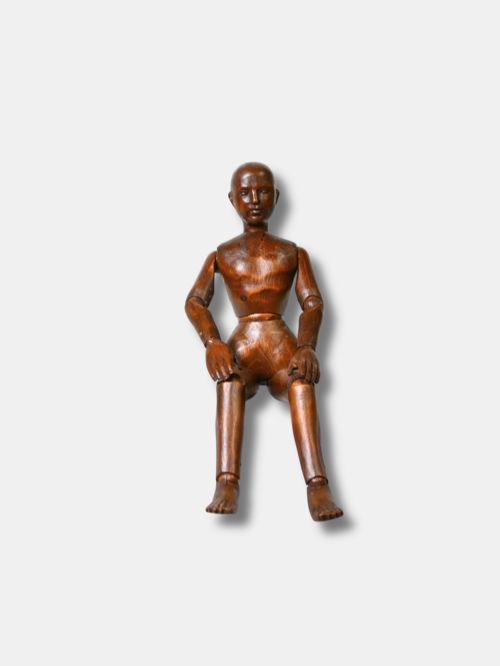
An anatomical wooden figure is a carved representation of the human form utilised historically by artists and sculptors.
Anatomical Wooden Figure
An anatomical wooden figure serves primarily as an artist lay figure or sculptor model for studying the human form. The selection on this page spans periods from seventeen fifty up to nineteen thirty, encompassing Victorian, French, Italian Baroque, and early twentieth century modernism styles.
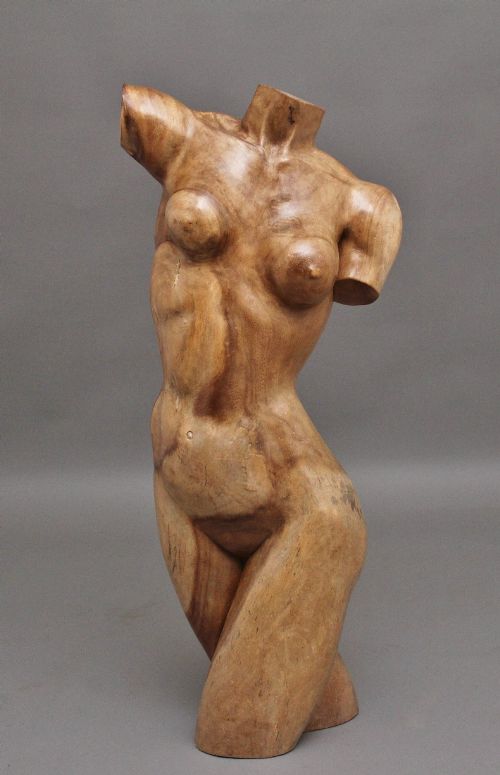
Buyers will encounter fully articulated lay figures alongside carved torsos, memento mori skeletons, and figures mounted on plinths. Materials predominantly feature carved wood and hardwood, sometimes combined with metal, iron, and bone.
Origins include French, Italian, and German workshops, reflecting diverse European traditions in sculptural study aids. Forms range from life-size male and female nudes to articulated mannequins designed for studio work.
How they were made
Carvers shaped these pieces using solid wood and hardwood, employing hand-carving techniques to delineate musculature and skeletal structures. Articulated examples incorporate metal or iron pins and joints to allow movement in the limbs.
Certain figures integrate bone or utilise specialised mounting on plinths for stability. Surface finishes rely on the natural grain and treatment of the carved wood rather than heavy polychrome.
Some wooden skeletons were apparently designed to remind artists that underneath every great painting lies a rattling good posture.
What varies in quality
Quality rests in the anatomical precision of the carving, particularly how realistically the musculature or skeletal frame is rendered in the hardwood. Finer examples display meticulous attention to proportion, joint articulation, and expression.
The sophistication of the mechanical joints and the preservation of the carved wooden surfaces further separate standard studio models from exceptional sculptural objects.
The Anatomical Wooden Figure Glossary
- Lay figure
- An articulated wooden mannequin used by artists to study drapery and pose. These figures rely on pinned joints to hold specific positions during painting or drawing.
- Articulation
- The system of joints allowing limbs and torsos to move. In wooden figures, this involves carved sockets and metal pins.
- Memento mori
- An artistic reminder of mortality, often represented by carved skeleton figures. These objects served as philosophical prompts in studios and collections.
- Torso
- A headless and limbless trunk sculpture. Such pieces focus entirely on the muscular definition of the human chest and abdomen.
Anatomical Wooden Figure: Frequently Asked Questions
How were lay figures used historically?
Artists positioned these wooden figures to drape fabric over them and observe how light fell across folds and limbs.
They provided a consistent reference point for the human body when live models were not present in the studio.
What materials are used in these figures?
Makers relied primarily on carved wood and hardwood to shape the main body and limbs of each sculpture.
Some examples incorporate metal or iron for internal joints and fixings, while others include bone details.
How do I care for a wooden figure?
Keep the carved wood away from direct heat sources and sudden humidity changes to prevent the material from splitting.
Dust the surface gently with a dry cloth and avoid applying harsh polishes to historic finishes.