



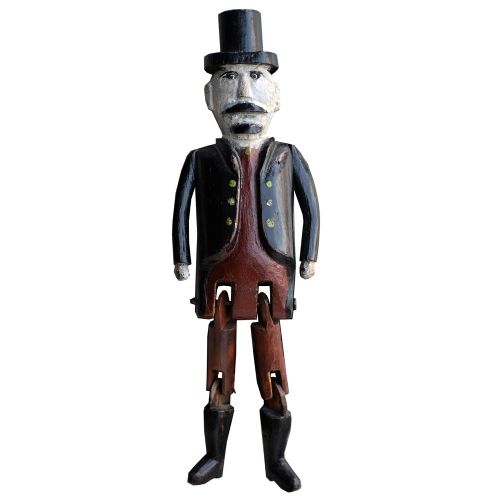


Jointed Wooden Figure
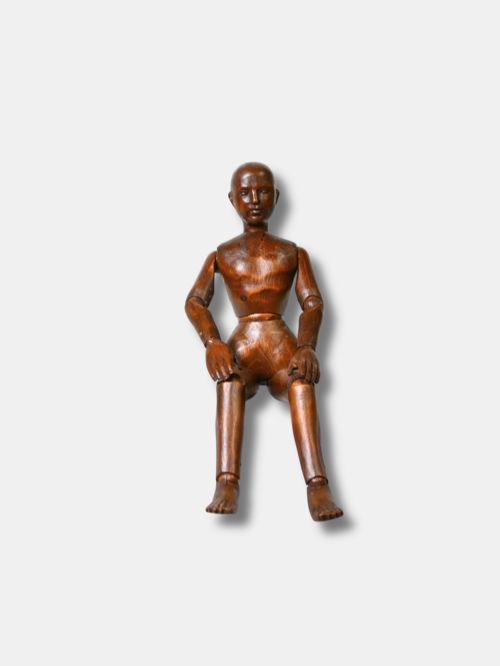
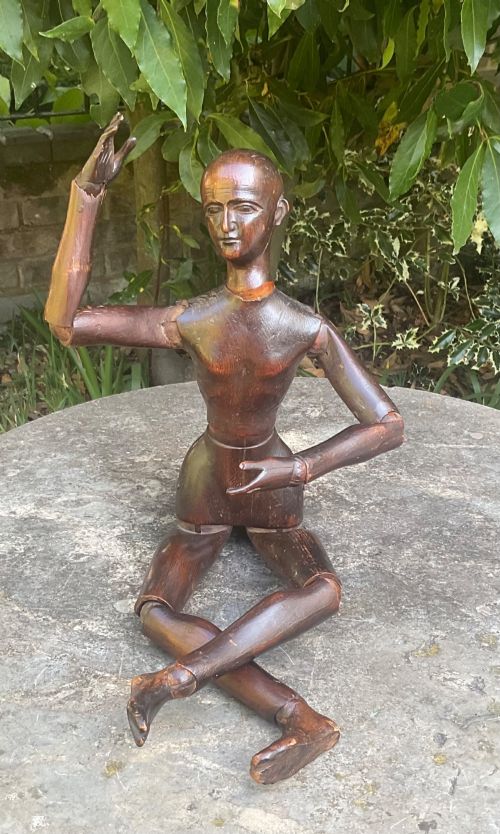
These jointed wooden figure examples are functional artists' tools and folk carvings built to hold a pose.
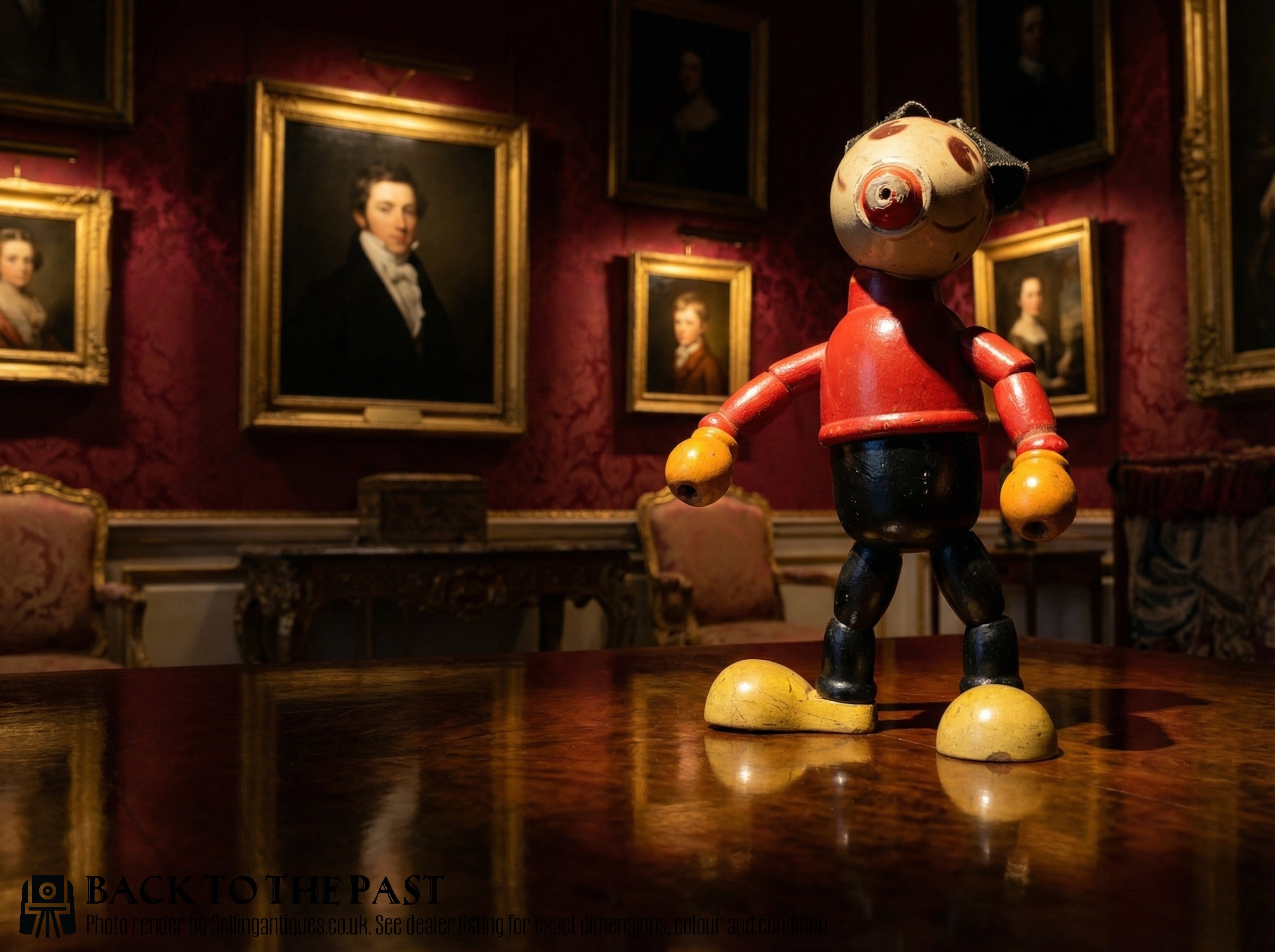
Jointed Wooden Figure
When you search for a jointed wooden figure, you are looking at articulated mannequins and folk carvings designed to assist artists or entertain audiences. The pieces you are most likely to meet on this page span the nineteenth and early twentieth centuries, originating from English, French, Italian, and American makers.
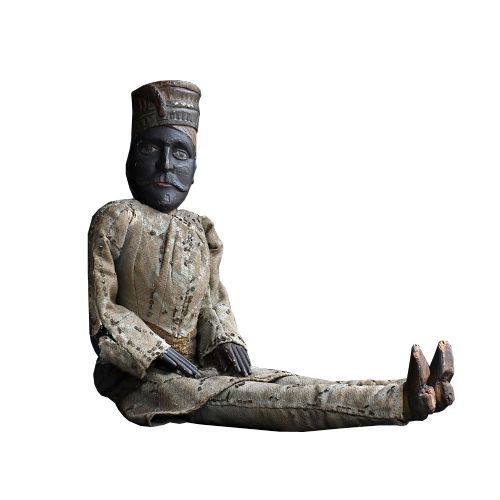
Materials and origins vary widely, including carved hardwood examples from European studios alongside distinct international pieces such as Edo tribal figures. Each object records a specific historical approach to articulation and human representation.
How they were made
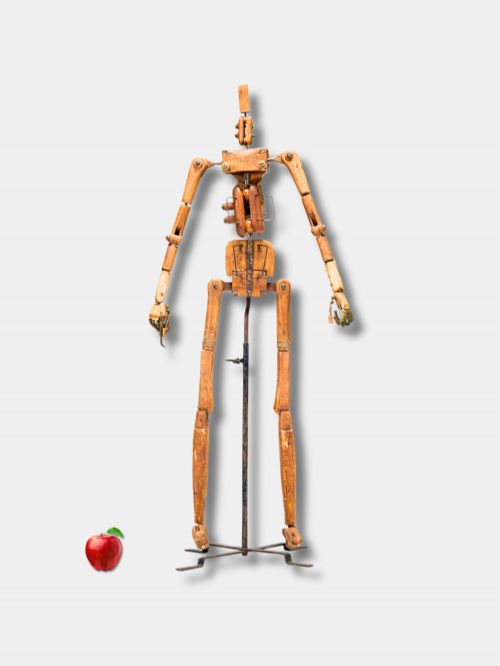
Makers shaped these pieces primarily from carved wood and hardwood, often integrating metal pins, iron joints, and brass fixings to achieve full articulation. Skilled carvers shaped the limbs and torsos to replicate human anatomy with functional movement.
Many surfaces retain traces of early paint and textile elements, adding texture and colour to the carved forms. Artisans utilised hand-carved joints to ensure each figure could hold a stable position for studio use or performance.
Listings feature carved wood, metal, iron, brass, and painted surfaces across nineteenth and early twentieth-century periods.
What varies in quality
Quality in a jointed wooden figure rests on the complexity of the articulation and the precision of the carving. Superior examples demonstrate fluid movement across multiple joints while maintaining anatomical proportion.
The integrity of the original wood, metal pins, and any surviving paint surfaces separates standard utilitarian pieces from exceptional studio models. Finer specimens retain their original stands and retain a balanced weight distribution.
Francois pierre Guillois·Edo Bini People
The Jointed Wooden Figure Glossary
- Lay figure
- An articulated wooden model used by artists to arrange drapery and study human form. These figures range from tabletop sizes to life-size studio examples.
- Jigger doll
- A kinetic folk art toy designed to dance on a board when tapped by the user. They typically date from the early twentieth century.
- Articulated
- Jointed to allow movement and flexibility in the limbs. This mechanism is central to the function of both studio mannequins and performance puppets.
Jointed Wooden Figure: Frequently Asked Questions
What were jointed wooden figures used for?
Artists utilised these articulated wooden models to study drapery, light, and complex human anatomy in the studio. Life-size examples provided a reliable substitute for human models during long painting sessions.
Smaller folk versions, such as jigger dolls and marionettes, served as entertainment. They were built for movement rather than studio study.
How do I care for a wooden figure?
Keep the figure away from direct sunlight and dramatic changes in humidity to protect the wood and original paint. Handle the joints with care to avoid stressing the internal metal pins.
Dust the surfaces gently with a dry, soft cloth. Avoid using liquid cleaners or oils on historic wood finishes.
How can I tell the age of a figure?
Examine the construction of the joints, the type of metal used for pins, and any remaining surface paint. Nineteenth-century studio pieces often feature sophisticated peg and socket joints.
Compare the carving style and wood density with documented examples from specific periods. French and English studio pieces each exhibit distinct regional manufacturing traits.
Are all these figures from artist studios?
Not all pieces served an artistic function, as the category includes folk art, marionettes, and kinetic toys. While studio lay figures were built for painters, jigger dolls and puppets were made for performance.
Each type reflects a different branch of historical woodworking and carving traditions. The presence of a stand often indicates studio use.