


Painted Wooden Toy
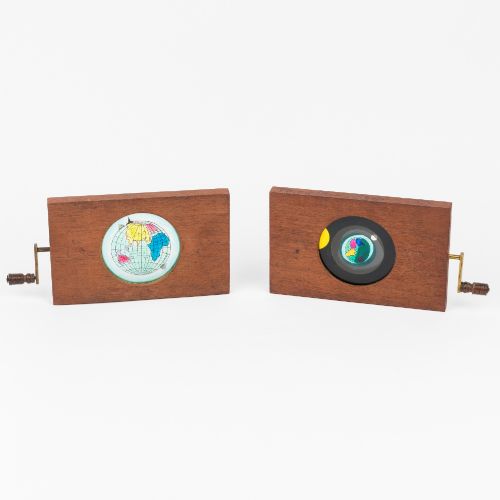
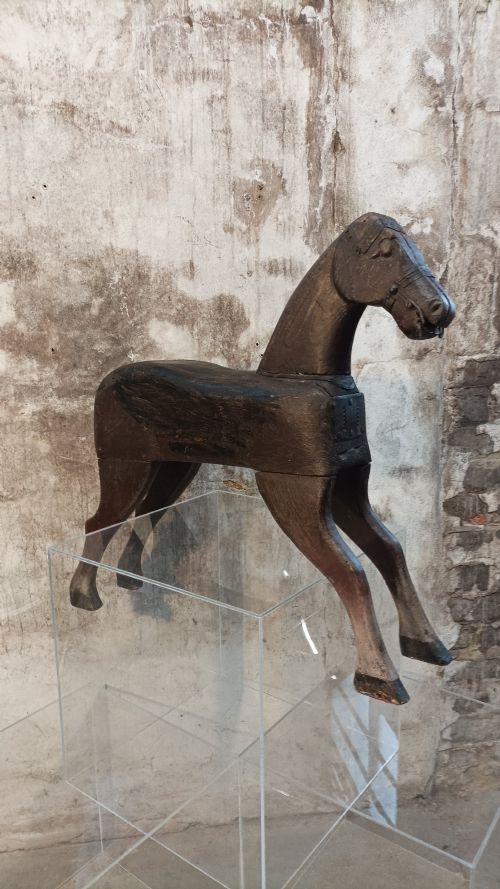
A painted wooden toy brings the texture of early playrooms into a room, spanning rocking horses, model boats and folk art figures.
Painted Wooden Toy
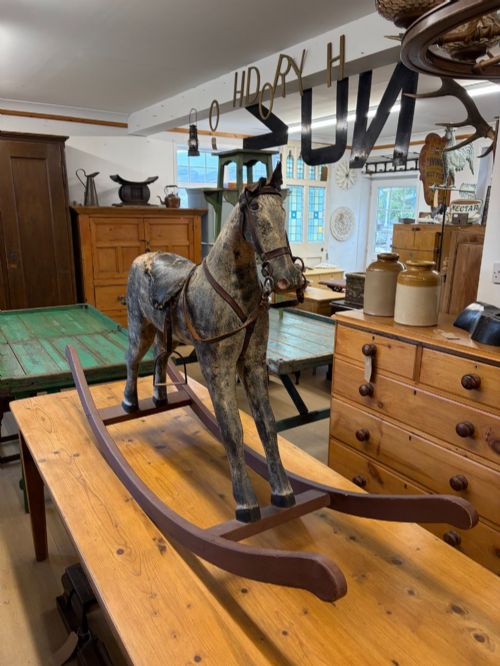
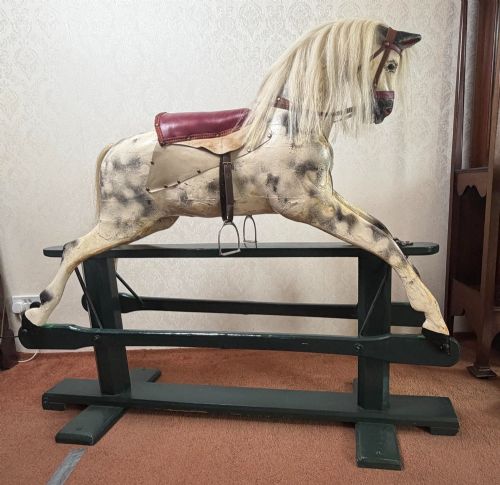
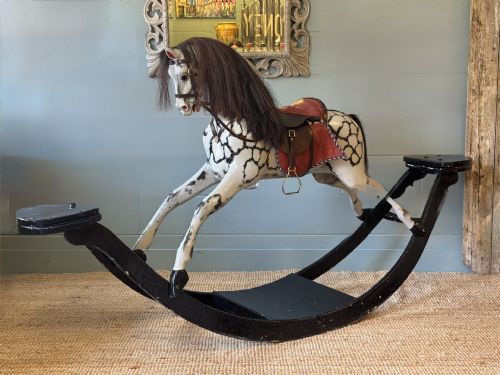
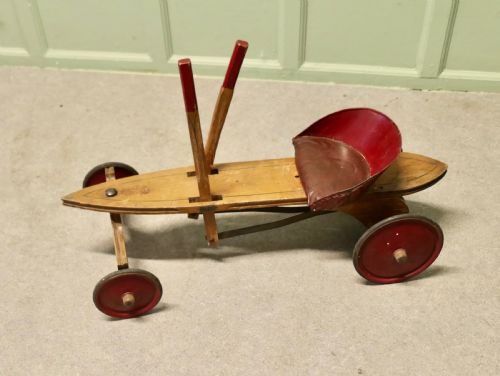
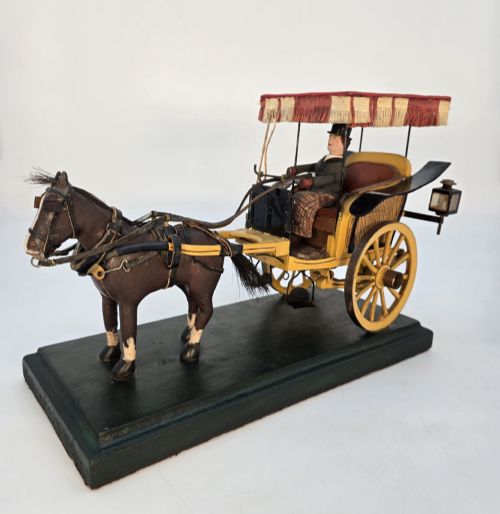
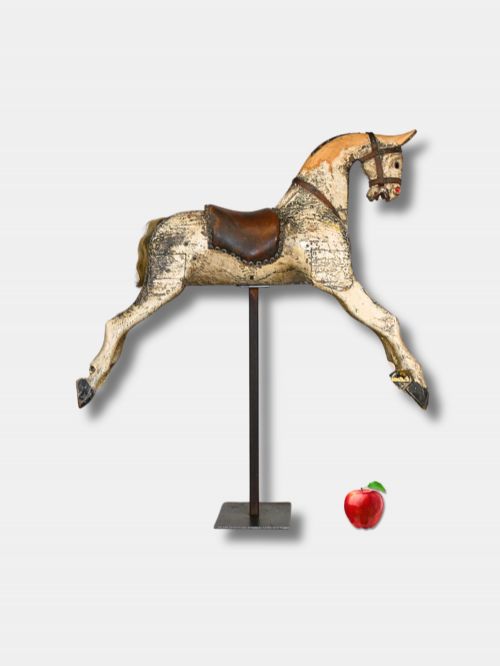
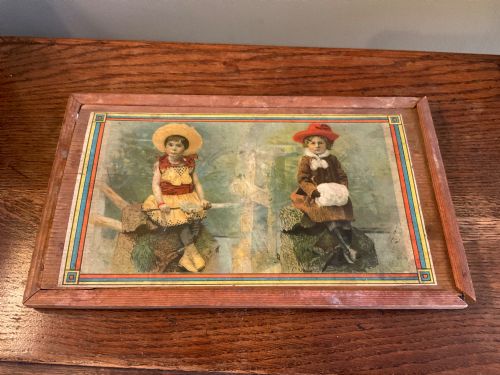
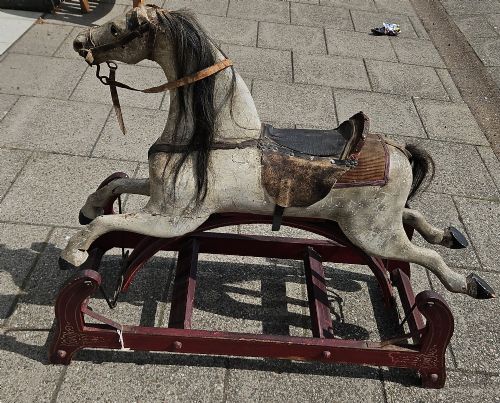
A painted wooden toy captures the domestic history of children's play, ranging from nineteenth century rocking horses to early twentieth century folk art figures. Buyers seeking a painted wooden toy will most frequently encounter carved horses on rockers, along with nautical models, pull toys and marionettes.
The selection draws from Victorian, Edwardian and Art Deco periods, encompassing English, American and Spanish origins. Forms vary from large scale nursery rocking horses to miniature soldier figures and whimsical animal sculptures.
Primitive and naive examples dominate the earlier eras, showing the hand of regional makers who shaped pine and hardwoods for everyday use. Later twentieth century pieces bring brighter pigments and mechanical action, including jigger dolls and tricycles.
How they were made
Makers shaped these objects primarily from carved wood and pine, often supplementing the structures with iron, metal, leather and horsehair for manes and tails. Artisans applied oil and water based paints directly to the timber, frequently building up multiple layers over decades of use and repair.
Construction methods combined traditional joinery with scratch built ingenuity, utilising hand tools to carve horses, carriages and animal figures from solid blocks or assembled planks. Complex pieces like rocking horses relied on sturdy original rockers and internal iron brackets to withstand active play.
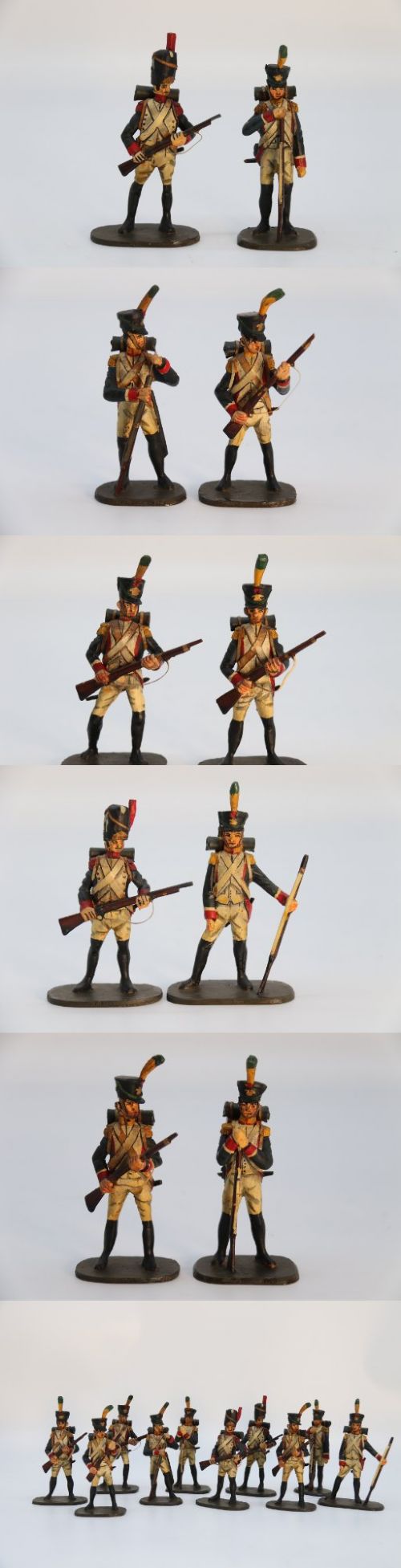
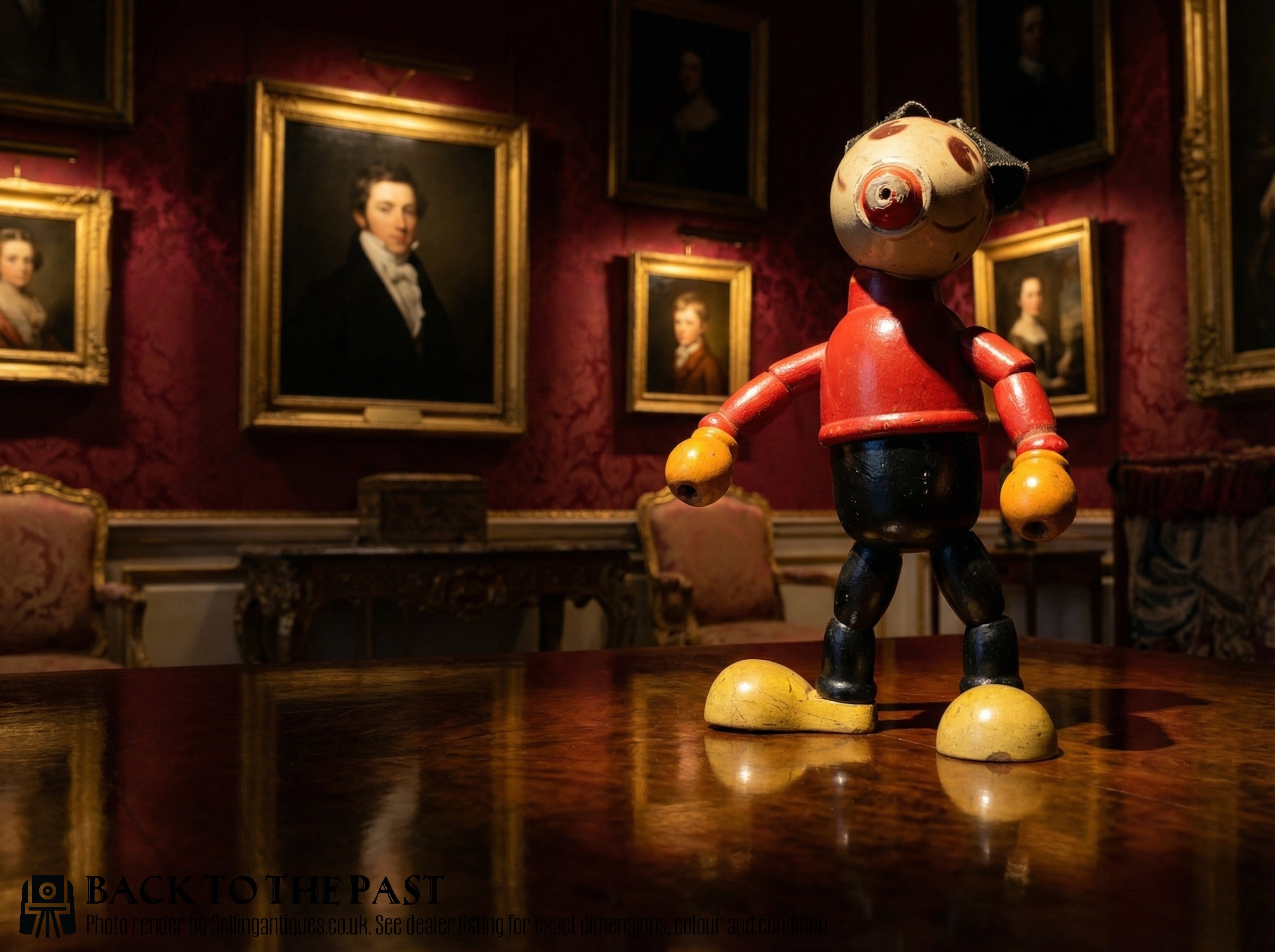
An anonymous wooden mouse stands ready to join the nursery alongside a crew of Napoleonic soldiers.
What varies in quality
Quality rests in the survival of original surface paint and the strength of the underlying carved form. Pieces retaining their earliest pigmented layers without modern overpainting command greater interest from collectors.
G & J Lines of London·Periclès·F.H. Ayres·Lines Bros Sportiboy
The Painted Wooden Toy Glossary
- Folk art
- Objects created by self taught makers or artisans working outside formal academic traditions. These pieces prioritise bold expression over strict academic proportions.
- Jigger doll
- A mechanical toy figure with loose joints that dances or moves when its wooden platform is tapped or vibrated. They often depict characters in top hats and tailcoats.
- Original paint
- The initial pigmented surface applied to an object during its manufacture. Surviving layers reveal the genuine age and history of the piece.
- Primitive
- Descriptive of early items made with basic tools and straightforward construction methods. This term denotes an honest, unpretentious aesthetic.
- Pond yacht
- A model sailing boat designed to be sailed on open water by children or hobbyists. They feature fully rigged masts and weighted keels for stability.
Painted Wooden Toy: Frequently Asked Questions
How do I date a painted wooden toy?
Dating relies on examining the construction marks, tool methods and the composition of the paint layers. Earlier nineteenth century pieces display hand forged iron nails and heavy pine construction.
Later twentieth century toys often incorporate manufactured metal components and machine turned parts. Comparing the surface wear to known period examples helps confirm the decade of origin.
Where should I display a rocking horse?
Large rocking horses require a stable floor space away from direct heat sources and strong sunlight. Placing them in a hallway or living room allows the carved wooden form to act as a central sculptural element.
Ensure the room maintains a stable humidity to protect the original wood and painted surfaces from cracking.
How do I clean an antique toy?
Dust surfaces gently with a dry, soft microfibre cloth to remove loose particles. Avoid using water, detergents or chemical solvents on painted wood, as moisture can lift fragile historic pigment.
Professional conservation is recommended for pieces with flaking paint or loose structural elements.
What is a jigger doll?
A jigger doll is a kinetic folk toy featuring a jointed wooden figure attached to a thin wooden strip. When the base is tapped, the figure performs a lively jig or dance.
These toys date primarily to the early twentieth century and were often dressed in detailed miniature clothing like top hats.
Are these toys safe for children?
Antique and vintage toys are intended primarily as decorative objects or collector pieces rather than modern playthings. Early paints may contain lead, and old wooden joints can loosen under heavy use.
They are best preserved on display rather than handed to young children.