


Carved Wood Santos Figure
These carved wood santos figure listings offer devotional objects that bring centuries of European craftsmanship and religious devotion directly into modern interiors.
Carved Wood Santos Figure
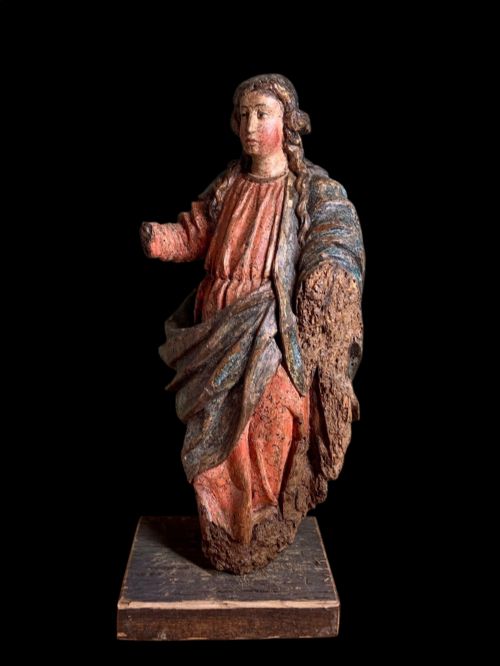
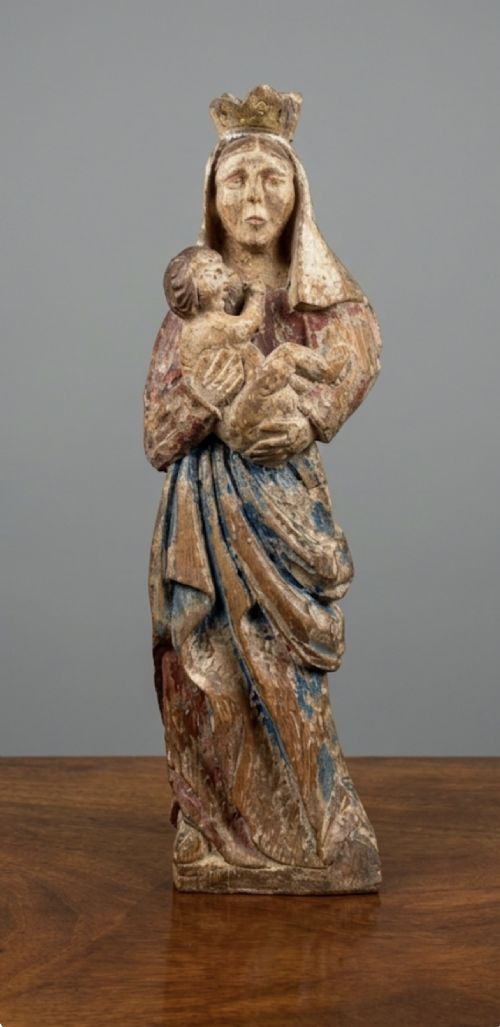
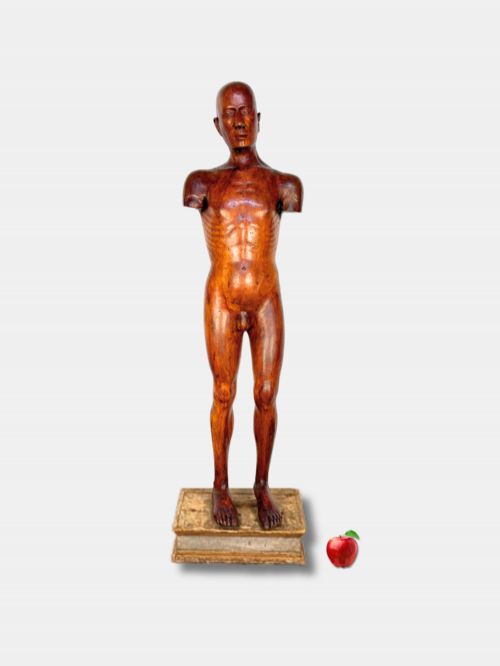
When you search for a carved wood santos figure, you are looking at devotional sculptures and statues created for private prayer, processional use, and church display. The pieces available here span several centuries, reaching from the seventeenth century through to the nineteenth century, with strong representation from the eighteenth century. You will encounter various forms, including full figures of saints, representations of Mary and Jesus, processional statues, and walnut busts.
The regional origins of these works lean heavily towards European traditions, particularly Italian and Spanish workshops. Styles range from sophisticated Baroque and Italian Baroque expressions down to charming Italian folk art and religious folk art. Certain examples take specific forms such as the Spanish capipote, while others stand mounted on plinths or survive as pairs of male and female figures.
Materials and construction
The makers of these objects relied primarily on carved wood and walnut as their structural base, shaping solid timber into expressive religious figures. Artisans frequently applied gesso over the wooden foundation to create a smooth, stable ground for subsequent decoration. This traditional layering technique allowed for both intricate facial detailing and the creation of garments.
Surface decoration involved polychrome, polychrome paint, and plain paint to render flesh tones, hair, and clothing with realistic or stylized colour. Many pieces also incorporate gold leaf to highlight vestments, halos, or architectural plinths, while surviving fragments occasionally retain elements of original fabric.
Listings span multiple centuries, incorporating seventeenth-century, eighteenth-century, and nineteenth-century examples alongside specific dates like seventeen fifty.
Assessing quality
The preservation of the original surface finishes, particularly polychrome paint and gold leaf, dictates much of the visual success of a piece. Examples that retain their early polychromy without heavy modern overpainting offer a more authentic encounter with the period aesthetic.
The Carved Wood Santos Figure Glossary
- Santos
- A carved figure representing a saint or sacred personage, traditionally used in Hispanic and Italian religious practice. These sculptures served central roles in domestic shrines and church processions.
- Polychrome
- Painted in several colours, typically referring to the decorated surface of wooden sculpture. This technique brought devotional statues to life through simulated flesh tones and tinted garments.
- Gesso
- A plaster mixture applied to wood surfaces to prepare them for painting and gilding. It provides a bright, smooth ground that holds fine detail.
- Capipote
- A Spanish devotional figure with a detailed head and hands attached to a simple wooden framework designed to be dressed in real textiles. These figures often had articulated arms for processional use.
- Baroque
- An artistic style originating in Italy and prominent across seventeenth and eighteenth-century Europe, characterised by drama, exuberant detail, and dynamic movement. Religious sculpture from this period emphasises emotional intensity.
Carved Wood Santos Figure: Frequently Asked Questions
What is a santos figure?
A santos figure is a carved representation of a saint, Christ, or the Virgin Mary used in Christian devotion. These objects were placed in churches, private chapels, and domestic interiors for prayer and contemplation.
Over the centuries, many of these figures travelled from their original religious settings into private collections, where they are appreciated for their sculptural presence and history.
How were these figures used?
These sculptures served multiple purposes, from focal points in household shrines to large processional statues carried through streets during religious festivals. Some regional variants were dressed in actual fabric garments for these public ceremonies.
Their physical wear often reflects this active history of handling, movement, and devotion within religious communities.
How do I date a wooden figure?
Dating relies on examining the tool marks, the wood species, the underlying gesso preparation, and the ageing of the polychrome or paint layers. Stylistic indicators, such as Baroque proportions or folk art simplifications, also help assign pieces to specific centuries.
Comparing construction methods with dated examples from the same region provides the most reliable guide to age.
How do I live with antique religious wood?
Living with these pieces involves placing them away from direct sunlight, excessive heat sources, and damp environments that could destabilise old wood and paint layers. Stable indoor humidity helps preserve both the timber and the gesso ground.
Dusting should be done gently with a dry, soft brush to protect fragile surfaces and historic finishes.