




Spanish Colonial Religious Art
Spanish colonial religious art brings devotional intensity into a room through centuries-old painted wood and devotional canvas.
Spanish Colonial Religious Art
When you search for spanish colonial religious art, you encounter devotional objects created across the seventeenth, eighteenth, and nineteenth centuries. These pieces encompass carved wood figures, polychrome statues, and oil paintings on canvas that served spiritual practices.
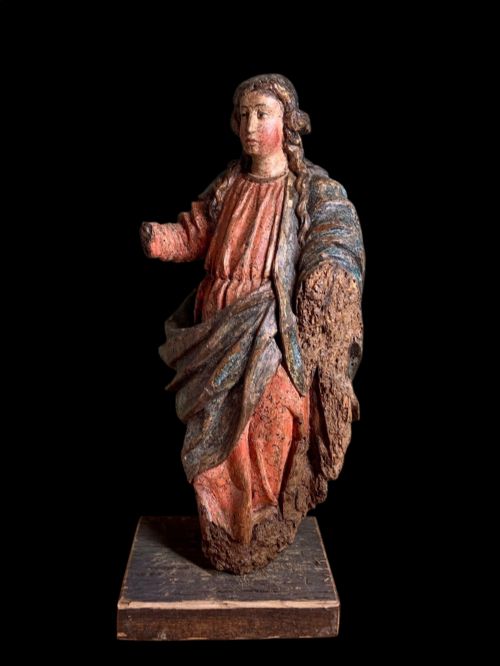
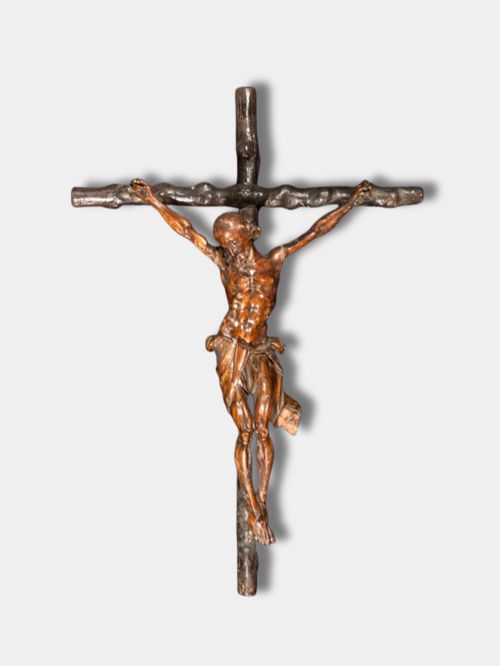
The selection on this page relies heavily on religious statues and sculptures alongside fine art paintings. You meet large figures, home altars, crucifixes, and depictions of saints and biblical figures.
Originating from periods spanning the Spanish Baroque through to Spanish folk art, these works reflect both formal ecclesiastical traditions and regional workshops.
Materials and construction methods
Makers shaped these pieces primarily from carved wood, applying layers of gesso to prepare surfaces for polychrome paint and intricate details. Gilding with gold leaf highlights garments, halos, and architectural elements on both sculptures and canvas frames.
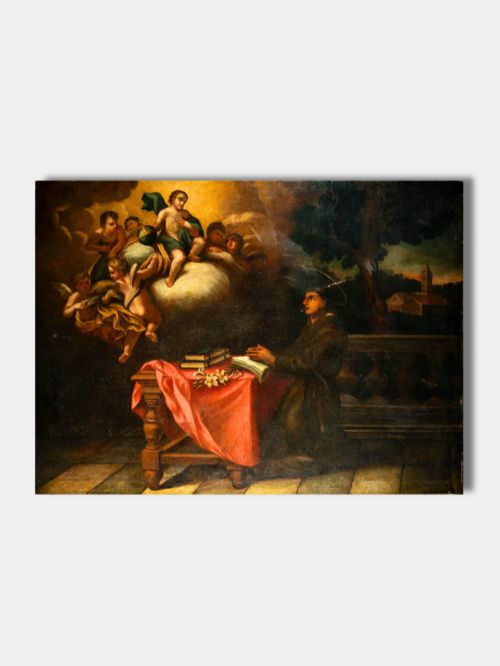
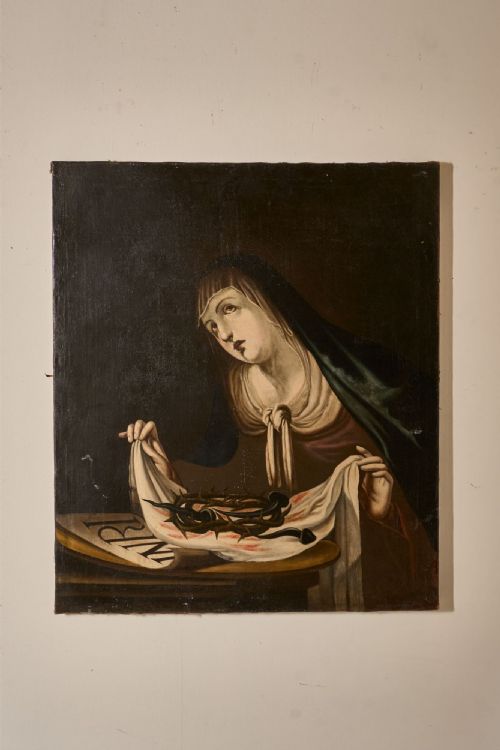
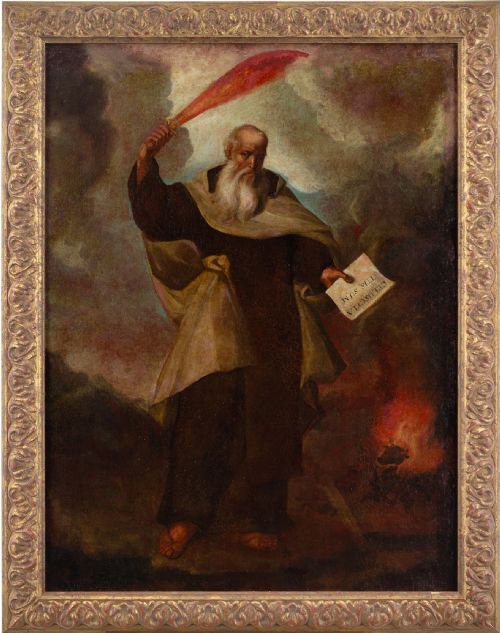
Painters utilised oil paint on canvas to render sacred imagery such as the Vision of Saint Anthony of Padua and depictions of Mary. Carpenters and sculptors constructed structural wooden supports for life-size figures, crucifixes, and portable home altars.
Materials recorded across these listings include oil paint, canvas, carved wood, gesso, polychrome paint, and gold leaf.
Judging the quality of these works
Quality rests in the sculptural depth of carved wood and the preservation of original polychrome paint layers. Finer pieces demonstrate careful attention to facial expressions, hand gestures, and the delicate application of gold leaf.
In paintings, the handling of oil on canvas determines distinction, with superior works showing confident brushwork and nuanced proportions. Monumental scale and complexity, such as life-size figures or detailed home altars, also separate standard devotional objects from masterworks.
Juan Ruiz Soriano·Gaspar de Figueroa
The Spanish Colonial Religious Art Glossary
- Polychrome
- Decorated in multiple colours. This technique defines the painted surface finishes found on wooden statues and figures.
- Gesso
- A plaster mixture used as a base for paint or gold leaf. It creates a smooth surface on carved wood before colour is applied.
- Corpus Christi
- An image of Christ on the cross. These wooden crosses feature detailed sculptural representations of the crucified figure.
- Capipote
- A religious figure with a carved head and hands attached to a wooden framework. The structure was traditionally dressed in real textiles.
- Home Altar
- A small devotional shrine used for private worship. These structures often incorporate folk art paintings and carved figures.
Spanish Colonial Religious Art: Frequently Asked Questions
What is a santos figure?
A santos figure is a carved wooden representation of a saint, deity, or holy person used in religious devotion.
These sculptures vary in scale from small portable items to life-size church figures adorned with polychrome paint.
How old are these pieces?
The pieces span from the seventeenth century through to the late nineteenth century.
Earlier works often display Spanish Baroque influences, while later items embrace regional folk art traditions.
Where were these artworks made?
These works originated within Spanish colonial territories and European workshops.
They reflect the aesthetic standards of ecclesiastical institutions and local makers working in the colonial style.
How do I care for carved wood?
Carved wood and gesso surfaces require stable indoor humidity and protection from direct sunlight.
Keep the painted and gilded surfaces dust-free using a soft, dry brush without applying liquid cleaners.