



19th Century Religious Icon
These 19th century religious icon pieces span Orthodox panels and votive sculptures, offering enduring spiritual presence for collectors.
19th Century Religious Icon
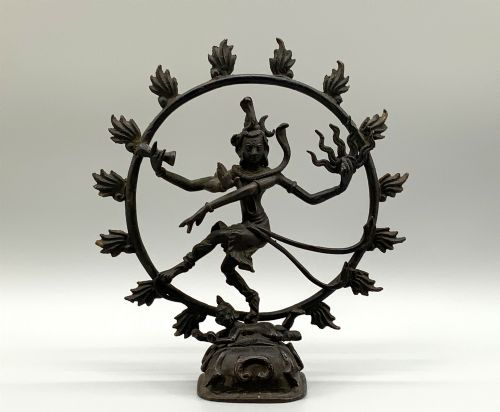
A 19th century religious icon encompasses painted wooden panels and cast metal devotional objects originating from varied cultural traditions. Buyers searching this phrase encounter Russian Orthodox panels, European statues, and South Asian bronzes.
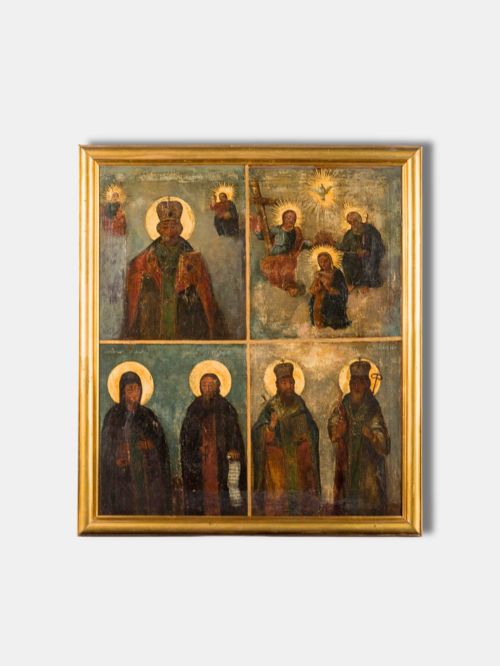
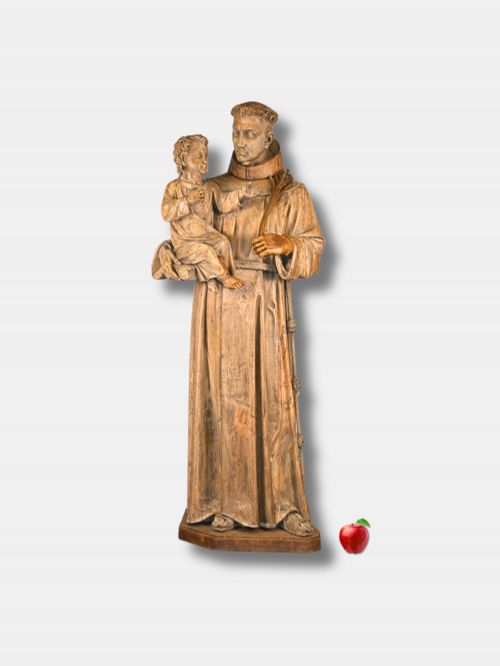
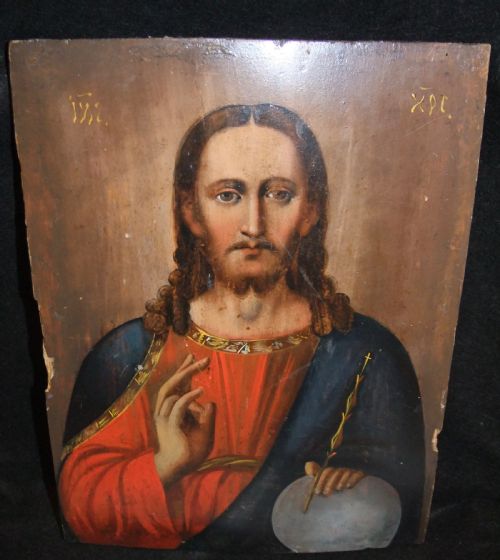
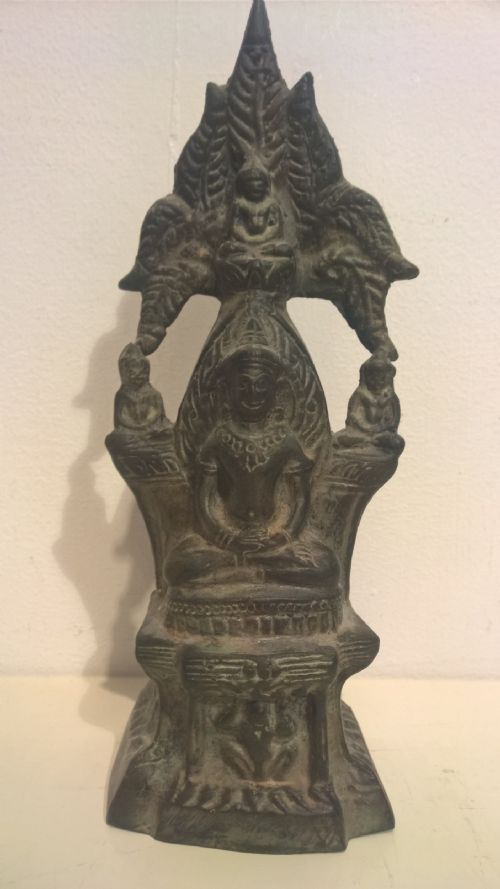
Russian Orthodox examples dominate the selection, featuring painted saints, triptychs, and festive scenes on wood panels. Alongside these, buyers find French, Spanish Colonial, and Indian devotional figures in bronze and carved wood.
Materials and construction
Painters utilised tempera and oil media on prepared wood panels, frequently applying gold leaf embellishments to highlight divine figures. Gesso provided the foundational layer for detailed brushwork on canvas or timber.
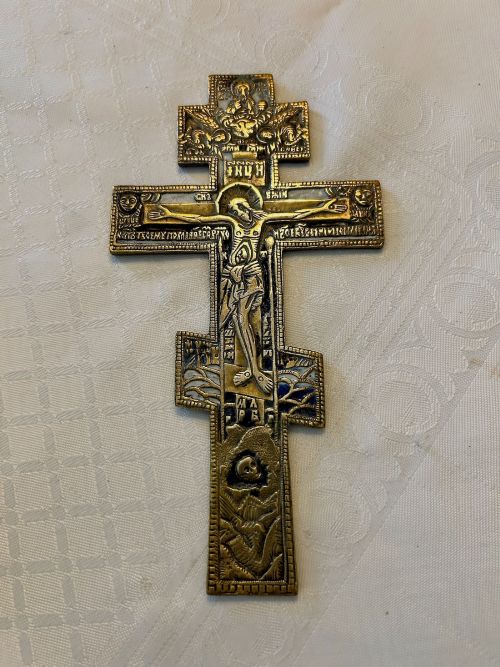
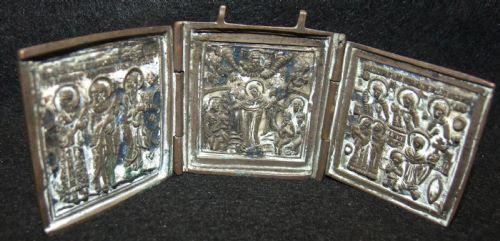
Metalworkers cast bronze and brass to produce portable folding triptychs, crosses, and statues, often incorporating enamel details. Sculptors carved timber for life-size saints and altar pieces.
Listings combine Russian Orthodox painted wooden panels with French carved saints and Indian bronze sculptures.
Assessing quality and execution
Finely painted panels display delicate facial expressions, precise lettering, and intact gilding that withstands centuries of handling. Poorer execution shows heavy restoration, loss of pigment, or crude recasting of metal elements.
Cast metal pieces reveal their standard through the crispness of chased details and the stability of enamel inlays. Solid wood construction without major warping distinguishes superior carved sculptures.
The 19th Century Religious Icon Glossary
- Tempera
- A permanent, fast-drying painting medium consisting of pigmented powder mixed with a water-soluble binder. It provides the matte surface seen on traditional painted panels.
- Gesso
- A paint mixture consisting of a neutral binder mixed with chalk, gypsum, or pigment. This substance forms the smooth white ground applied to wood panels before gilding and painting.
- Triptych
- A picture or relief carving on three hinged panels. These portable folding shrines allowed travellers to carry devotional images.
- Gold leaf
- Gold beaten into extremely thin sheets used for gilding backgrounds and halos. It reflects candle light in dark churches and domestic spaces.
- Enamel
- A glassy substance applied to metal objects by fusing powdered glass at high heat. It adds durable blue or coloured decoration to bronze crosses and triptychs.
19th Century Religious Icon: Frequently Asked Questions
How do I hang a heavy wood icon panel?
Panel icons require robust brass brackets or wire secured directly to the original wooden frame or backboard.
Ensure the hanging hardware distributes the weight evenly without stressing historic joinery.
Can I display these pieces in direct sunlight?
Ultraviolet light degrades tempera pigments, oil paints, and delicate gold leaf surfaces over extended periods.
Position painted panels and wooden statues away from windows to preserve their original colours.
How do I clean a bronze devotional cross?
Dust bronze and brass items gently with a soft, dry cloth to remove surface particles without scratching.
Avoid commercial metal polishes, which strip patinas and damage enamel inlays.