


Antique Carved Wooden Santo
These antique carved wooden santo sculptures bring centuries of devotional art and regional folk tradition directly into domestic spaces.
Antique Carved Wooden Santo
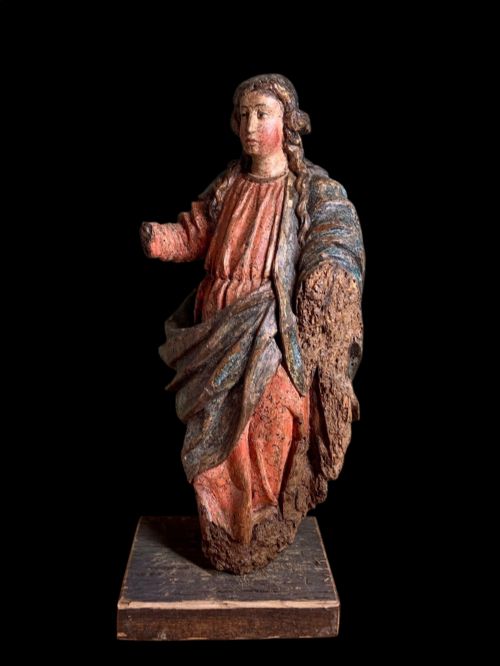
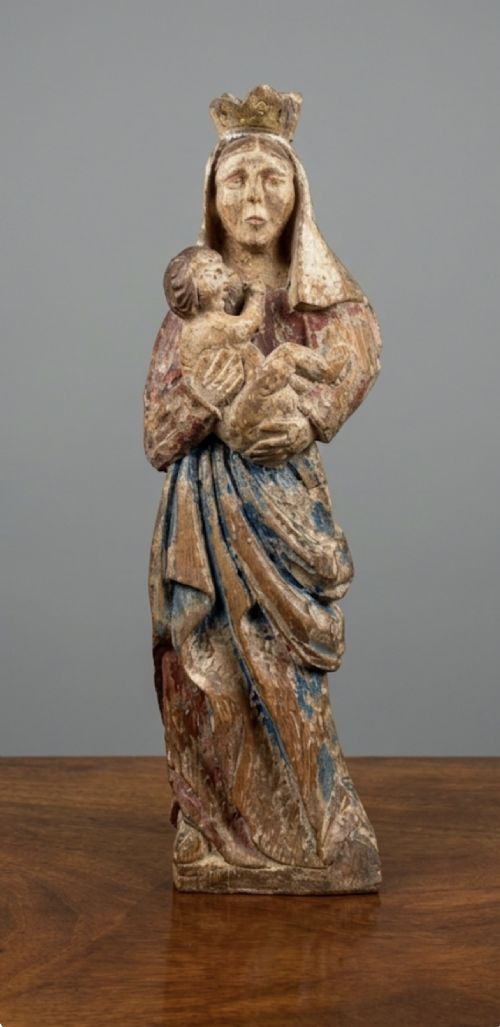
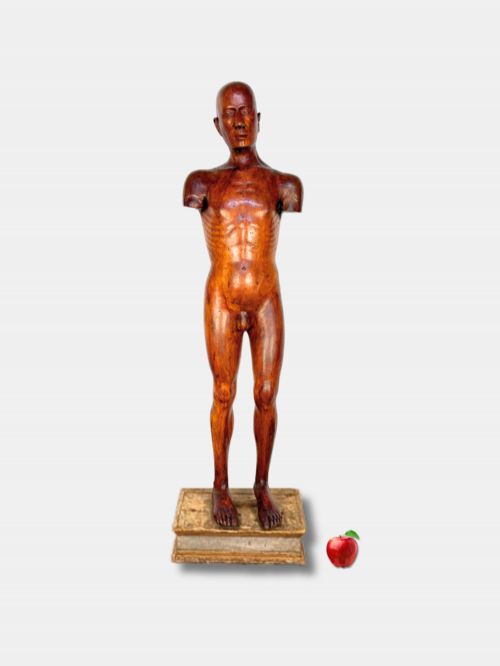
The pieces on this page span the seventeenth, eighteenth, and nineteenth centuries, capturing stylistic shifts from grand continental baroque to simpler Italian folk art. Figures depict saints such as Anthony of Padua, representations of Mary and Jesus, and Christ, often mounted on custom plinths or retaining traces of their original function.
How they were made
Artisans carved these figures primarily from solid timber, frequently utilising walnut or other local woods suited to detailed sculpting. The exposed wood grain was then typically coated with a layer of gesso to provide a smooth surface for subsequent decoration.
Listings here span four distinct centuries, beginning in the seventeenth century and extending through the nineteenth century with Italian and Spanish regional influences.
What varies in quality
The sculptural ambition of the carving dictates the upper tier of quality, distinguishing complex baroque anatomical handling from more rudimentary folk art execution. Subtle details in the rendering of hands, drapery folds, and facial expressions reveal the competence of the original workshop.
The survival and integrity of the original surface finish heavily influence the character of each piece. Sculptures retaining undisturbed layers of polychrome paint and gold leaf command greater visual authority than those stripped or heavily repainted over time.
The Antique Carved Wooden Santo Glossary
- Santo
- A carved or sculpted figure representing a saint or sacred personage, created for Christian veneration. These figures served central roles in both domestic shrines and public processions.
- Polychrome
- The practice of decorating sculptural works in multiple colours using paint. This technique added lifelike qualities to wooden religious figures.
- Gesso
- A traditional white paint mixture consisting of a binder mixed with chalk, gypsum, or pigment. It served as a prepared ground for gilding and painting on wood.
- Capipote
- A type of processional statue featuring a detailed carved head and hands attached to a simple wooden framework designed to be dressed in real textiles. These figures were often utilised in religious processions.
- Baroque
- An artistic style prevalent from the seventeenth through the eighteenth century characterised by dramatic movement, rich surface detail, and emotional intensity. This aesthetic heavily influenced sacred sculpture across Italy and Spain.
Antique Carved Wooden Santo: Frequently Asked Questions
What is a santo figure?
A santo is a carved wooden representation of a saint, Madonna, or Christ used in Christian religious practice. They were created for private prayer, church altars, and public processions.
These sculptures vary from modest folk art carvings to life-size processional figures dressed in real fabrics. Each piece reflects the devotional customs and artistic styles of its period.
How were antique santos used?
These figures served as focal points for prayer in churches, convents, and domestic households. Processional examples were carried through streets during religious festivals and feast days.
Many figures featured articulated limbs or simple frames specifically designed for changing garments according to the liturgical calendar. Over time, many transitioned from active devotion into decorative collections.
How do I date a wooden santo?
Dating relies on examining the carving style, construction methods, and the ageing of the underlying materials. Seventeenth and eighteenth-century pieces often display baroque proportions and heavier gesso foundations.
Nineteenth-century examples frequently lean toward simpler folk art interpretations or regional Italian traditions. Wood shrinkage, tool marks, and pigment composition provide further clues to age.
How do I live with a wooden santo?
Display these sculptures in stable environments away from direct sunlight and rapid temperature fluctuations to protect the wood and painted surfaces. They suit tabletops, mantels, or dedicated display plinths where their sculptural form can be appreciated.
Maintenance requires only gentle dusting with a soft, dry brush. Avoid using liquid cleaners or polishing agents on antique polychrome or gilt surfaces.