






Vintage Mannequin Torso
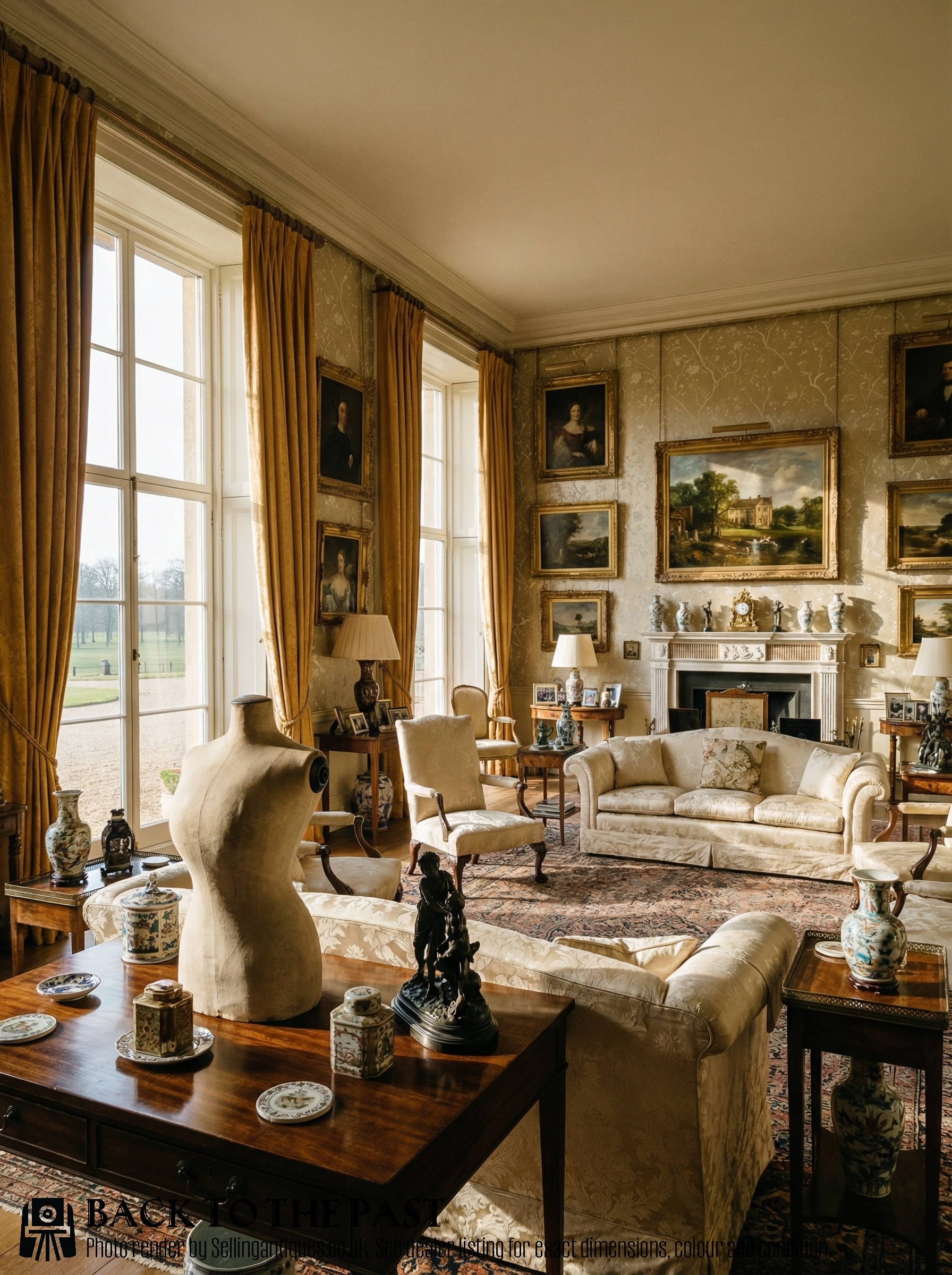
A vintage mannequin torso brings sculptural presence and period character into a room.
Vintage Mannequin Torso
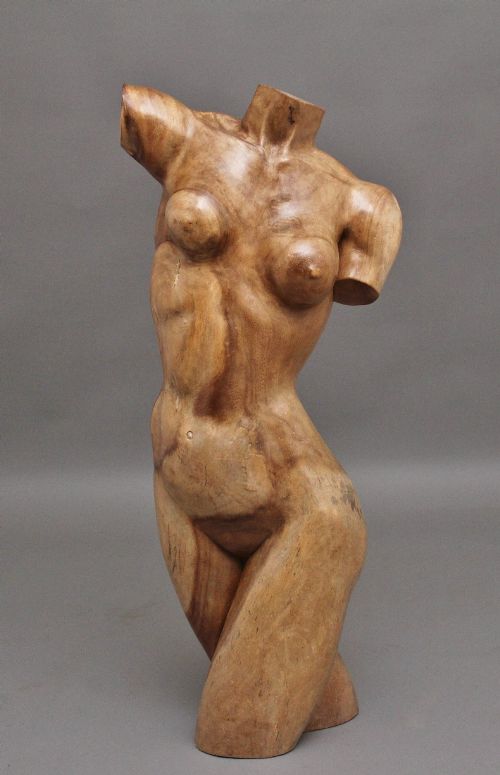
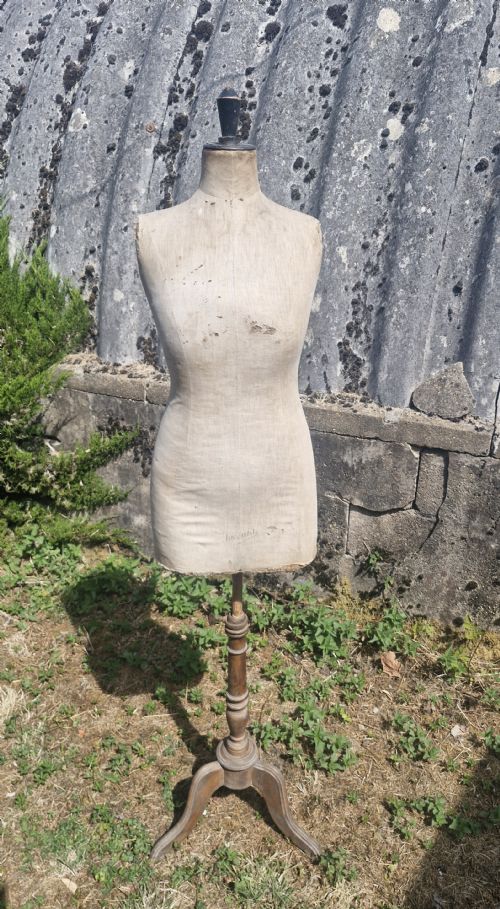
A vintage mannequin torso functions as a sculptural display object or atelier prop originating from the early twentieth century. When buyers search for a vintage mannequin torso, they encounter figures built for Parisian ateliers, shop windows, and tailoring workshops between nineteen hundred and nineteen thirty.
The selection here includes dressmaker dummies, shop display busts, and advertising forms. Most examples hail from French workshops, embodying Edwardian, Art Deco, and early modernist design sensibilities through carved wood, fabric, and plaster forms.
How they were made
Maker workshops constructed these forms using wood, canvas, linen, and metal fittings. Carved wood provides structural support and sculptural definition for the shoulders and neck, while textile coverings such as linen and canvas wrap the torso core.
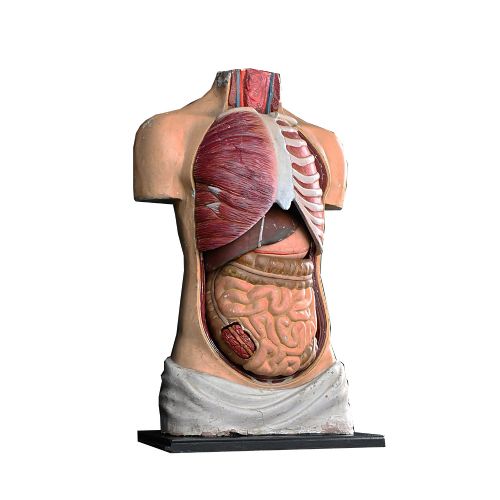
Makers shaped plaster, textile, and carved wood to replicate human anatomy for tailoring and display. Metal stands and bases anchor the heavier torso blocks, balancing the textile and wood structures.
Vintage Mannequin Torso Retail Price Guide 2026
Typical asking prices for vintage mannequin torso among the pieces listed under this phrase on Sellingantiques today, from the lower quarter to the upper quarter. They describe what is for sale here now, not the wider market.
The listings span four decades of early twentieth century design, focusing heavily on French workshops from nineteen hundred to nineteen thirty.
What varies in quality
Quality rests in the articulation of the carved wood and the integrity of the original textile covering. A finely shaped wooden neck block or carved shoulder line distinguishes a workshop piece from a standard commercial display.
The presence of maker stamps, original Paris markings, and patinated metal stands elevates a piece. Surface wear and genuine age in the linen or canvas display the history of use in tailoring rooms and shop windows.
Stockman of Paris·Charmereine
The Vintage Mannequin Torso Glossary
- Stockman
- A prominent maker of display forms and tailors dummies based in Paris. Their marked torsos are frequently found bearing specific model numbers and atelier stamps.
- Art Deco
- A design style spanning the nineteen twenties and thirties characterised by streamlined geometry and modern elegance. This aesthetic appears on advertising display busts from the period.
- Tailor's dummy
- A padded or wooden form used for fitting garments during construction. These practical objects double as sculptural display pieces.
- Advertising display
- A specialised mannequin created specifically for shop windows to showcase garments and lingerie. These figures often feature stylised poses or branded Parisian markings.
Vintage Mannequin Torso: Frequently Asked Questions
How are vintage mannequin torsos dated?
Torsos are dated by examining the construction materials, base design, and any visible workshop stamps. Early twentieth century pieces display specific manufacturing traits tied to nineteen hundred through nineteen thirty.
Atelier markings and the style of the wooden neck or metal stand also help identify the specific decade of origin.
Where were these mannequins used originally?
Original locations included Parisian fashion houses, tailors' workshops, and retail shop windows. They served as working tools for fitting clothing or as advertising displays for lingerie and coats.
Today, these objects function as interior decor pieces that bring industrial or tailoring history into residential spaces.
How do I care for fabric and wood torsos?
Care involves keeping the textile surfaces free of dust using a soft brush and avoiding direct sunlight to prevent fabric fading. Wooden and metal components benefit from occasional light dusting.
Water and chemical cleaning agents should be avoided to protect the original canvas, linen, and aged wooden patinas.
What is the difference between a tailor dummy and a display bust?
A tailor dummy is typically built for pinning garments during construction, often featuring a pinnable core covered in canvas or linen. A display bust is generally designed for shop windows and advertising.
Display pieces may use carved wood, plaster, or metallic finishes intended to showcase fashion items rather than absorb pins.