

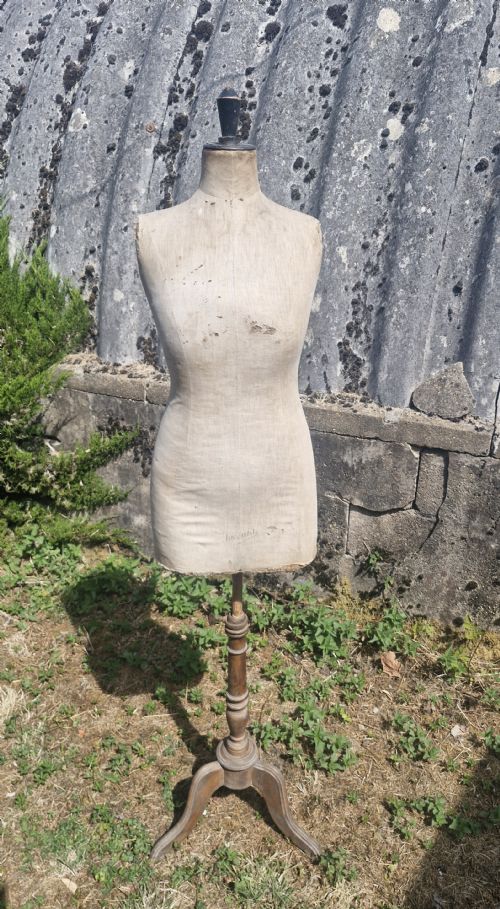


Antique Dummy Torso
An antique dummy torso brings sculptural presence and period character into a room, offering a tactile anchor for historical textiles or a striking standalone display.
Antique Dummy Torso
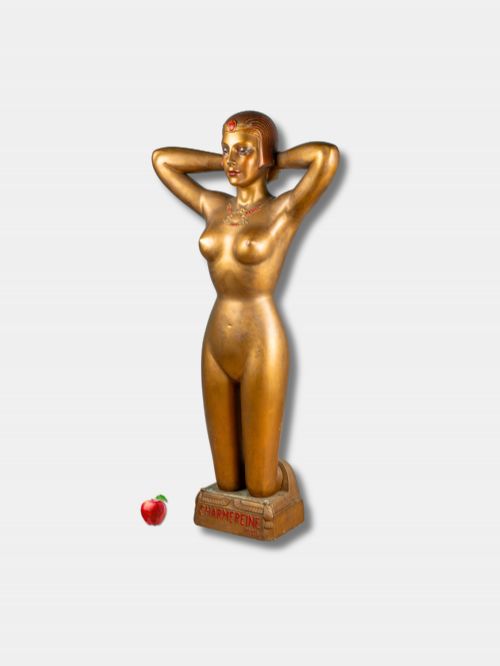
An antique dummy torso represents a specialised form of sculptural display and tailoring equipment, emerging in periods such as the Edwardian era, Art Deco, and early twentieth century. When searching for an antique dummy torso, buyers encounter forms ranging from adult tailor busts to child shop mannequins and specialised advertising pieces originating from Parisian makers like Stockman and Charmereine.
The most common versions met on this page include French shop mannequins and dressmaker stands dating from around 1900 to 1930. These pieces typically present as torso busts designed for displaying garments, corsetry, or tailoring work in both commercial and domestic settings.
How they were made
Makers constructed these torsos using durable materials designed to withstand regular pinning and handling in workshops and retail spaces. Wood, plaster, and metal form the structural cores and stands, providing stability and support for the upper body forms.
Outer surfaces consist of textile coverings such as linen, canvas, and painted finishes. These fabric layers provided a receptive surface for tailors to pin cloth during garment construction or served as a clean background for shop advertising displays.
Antique Dummy Torso Retail Price Guide 2026
Typical asking prices for dummy torso among the pieces listed under this phrase on Sellingantiques today, from the lower quarter to the upper quarter. They describe what is for sale here now, not the wider market.
Parisian shop dummies occasionally retain the faint ghost impressions of long-vanished pins pressed into their canvas torsos a century ago.
What varies in quality
Quality in an antique dummy torso rests in the fidelity of the sculptural form and the integrity of the original surface materials. Finer examples retain their authentic fabric coverings, legible maker markings, and well-proportioned anatomical shapes that reflect the tailoring standards of their period.
The sophistication of the base and support mechanisms also distinguishes the range. Heavy cast iron stands and articulated wooden elements indicate higher-grade commercial pieces intended for professional tailoring houses or prominent Parisian shop windows.
Charmereine·Stockman of Paris
The Antique Dummy Torso Glossary
- Stockman
- A renowned maker of Parisian mannequins and dressmaker forms whose pieces are sought after for their precise tailoring proportions and durable construction.
- Art Deco
- A design style prominent in the 1920s and 1930s characterised by streamlined geometric forms and modern industrial materials.
- Dressmaker's dummy
- A padded or solid torso form used by tailors and couturiers to fit and construct garments directly on a three-dimensional shape.
- Advertising display
- Commercial shop fittings designed specifically to showcase merchandise such as lingerie, coats, or children's wear to the public.
Antique Dummy Torso: Frequently Asked Questions
What is an antique dummy torso?
An antique dummy torso is a nineteenth or early twentieth century form used by tailors, dressmakers, and shopkeepers to fit garments and display merchandise.
These pieces combine functional wooden or metal internal structures with fabric-covered exteriors designed to hold pins and support clothing.
How were dressmaker dummies used?
Tailors and couturiers utilised these forms to drape, measure, and construct clothing before final fittings on human clients.
Shopkeepers also employed them in windows and showrooms to advertise garments such as coats, dresses, and lingerie.
How do I date an antique mannequin?
Dating relies on examining the materials, construction techniques, and any legible stamps or paper labels from makers like Stockman.
Stylistic cues such as the geometry of the Art Deco period or the proportions of Edwardian tailoring also help narrow the decade of manufacture.
How can I style a dummy torso at home?
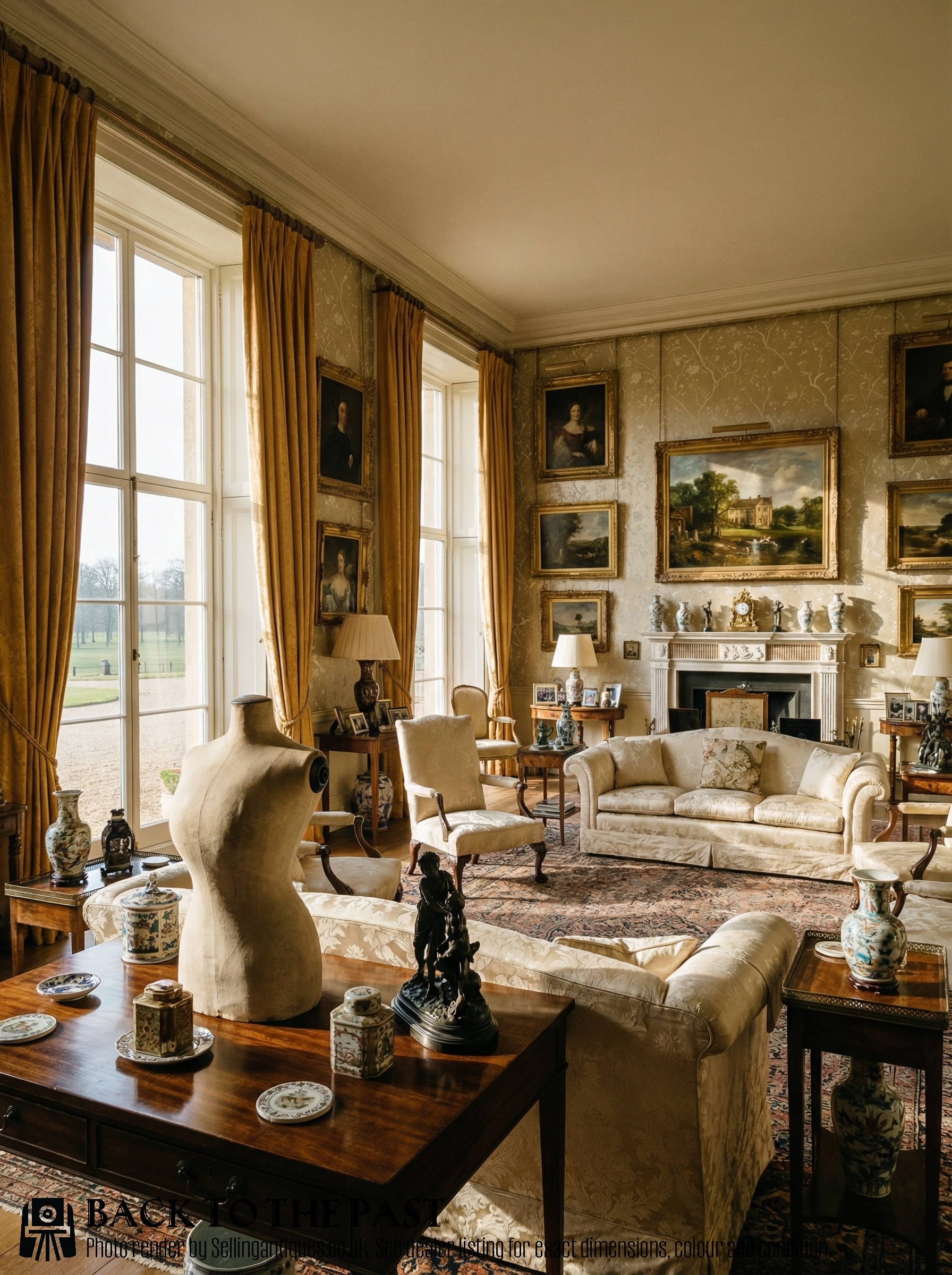
These torsos work well as standalone sculptural objects in living spaces or bedrooms, bringing texture and historical weight to an interior.
Collectors often drape them with vintage textiles, historical costume coats, or delicate garments to highlight their original purpose.