



Antique Dress Form
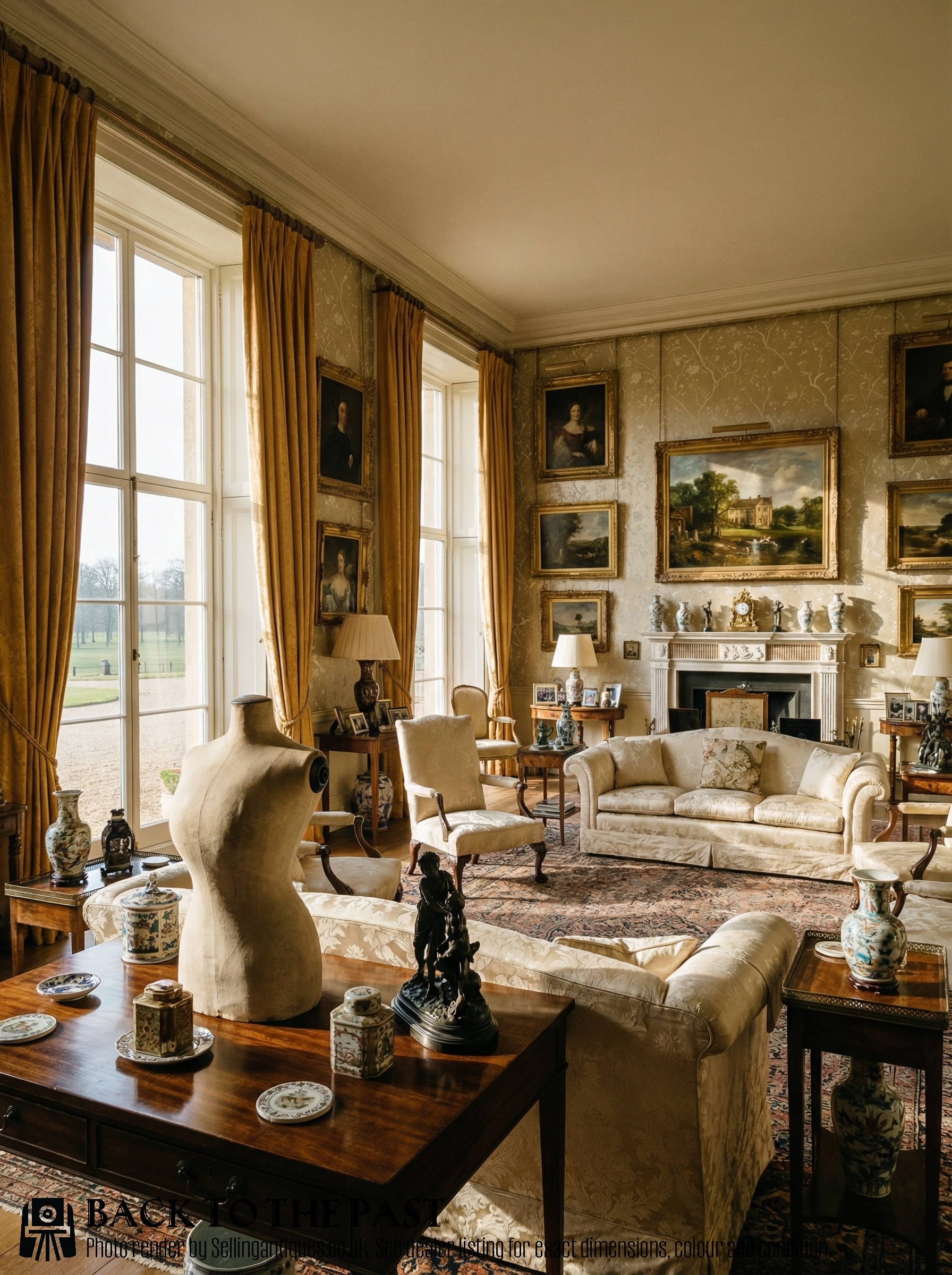
An antique dress form brings the character of the atelier or workshop directly into a modern interior.
Antique Dress Form
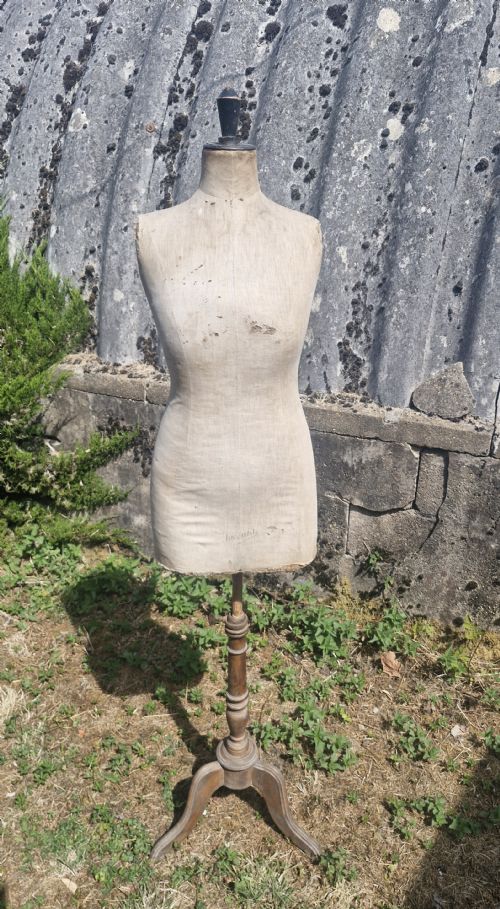
An antique dress form serves as a sculptural anchor for interiors, originating from the practical needs of tailors and couturiers. When searching for an antique dress form, buyers encounter pieces spanning the nineteenth century through the 1930s, including child shop mannequins and adult cloth vintage examples.
The most common versions on this page originate from the early twentieth century, carrying the marks of French and English workshops. These utilitarian objects transitioned from working studios into decorative pieces, appreciated for their functional forms and historical patination.
Makers such as Stockman of Paris represent the benchmark of these workshop pieces, often retaining stencilled numbers or maker plates. Other variations include tailor's dummies and bust forms designed for fitting garments in period workrooms.
Assessing quality and character
Quality in an antique dress form rests on the integrity of the original textile covering and the sturdiness of the wooden or metal base. Pieces bearing legible maker inscriptions or workshop stamps command greater interest among collectors.
The proportions of the torso and the subtlety of the shoulder shaping reflect the tailoring standards of the period. Wear to the linen or canvas tells the history of active workshop use, distinguishing genuine working examples from later decorative reproductions.
Antique Dress Form Retail Price Guide 2026
Typical asking prices for dress form among the pieces listed under this phrase on Sellingantiques today, from the lower quarter to the upper quarter. They describe what is for sale here now, not the wider market.
Materials recorded across the inventory include wood, linen, canvas, fabric, leather, and metal.
Stockman of Paris·Taylor
The Antique Dress Form Glossary
- Mannequin
- A full or partial model of the human body used for fitting or displaying garments. These objects range in date from the nineteenth century to the 1930s.
- Tailor's dummy
- A professional fitting form traditionally padded and covered in canvas or linen. They were essential equipment in tailoring workrooms.
- Cloth vintage
- A descriptive term for forms covered in original woven fabrics. This material shows the authentic texture of early workroom use.
- Shop mannequin
- A display form utilised in retail environments to showcase ready-made clothing. Examples include child and adult proportions from the early twentieth century.
Antique Dress Form: Frequently Asked Questions
What is an antique dress form?
An antique dress form is a sculptural mannequin used historically by tailors and dressmakers for fitting clothing. These pieces originate from periods including the nineteenth century and the early twentieth century.
Today, they are utilised as decorative objects in interiors, valued for their textile surfaces and structural forms.
How do I identify an early twentieth century mannequin?
Early twentieth century mannequins often feature stencilled maker marks, such as those from Stockman of Paris. They combine wooden and metal stands with canvas or linen covered torsos.
Examining the stitching and the wear on the fabric helps indicate the working period of the piece.
Where were these mannequins used originally?
These forms were standard equipment in professional tailoring workrooms, fashion houses, and drapery shops. They assisted artisans in constructing and altering garments before moving into domestic settings.
Child and adult sizes served different branches of clothing manufacture and retail display.
How should I care for a fabric covered dress form?
Protect the antique textiles by keeping the form away from direct sunlight and excessive moisture. Gentle dusting preserves the original canvas or linen surface.
Avoid applying modern cleaning solutions to the historic fabric coverings to maintain their patination.