
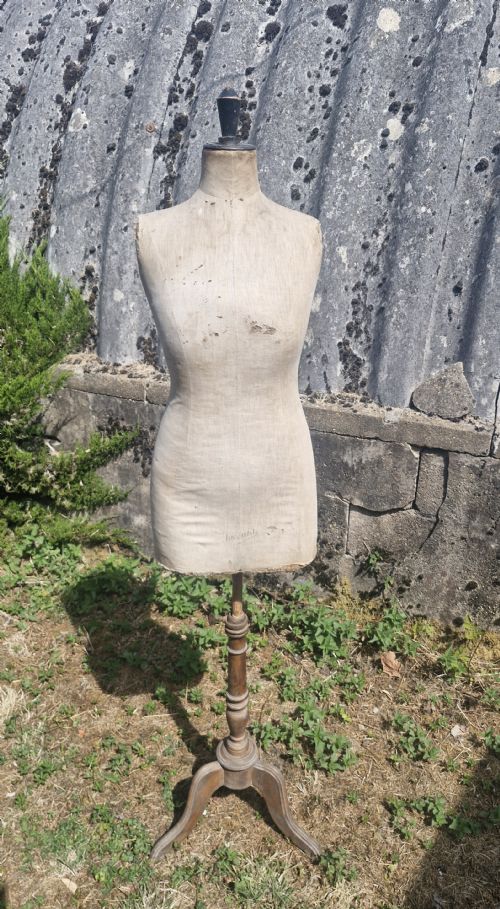


Antique Tailors Dummy
An antique tailors dummy brings industrial form and texture into a room, offering a sculptural display piece shaped by decades of tailoring and retail history.
Antique Tailors Dummy
When you search for an antique tailors dummy, you are looking at utilitarian display forms and dressmaker stands designed for fitting garments in workshops and shops. The examples found here span the nineteenth century, the Edwardian era, and the art deco period, originating from English and French makers.
The most common forms on this page include torso busts mounted on stands, child shop mannequins, and full male cloth vintage mannequins. These pieces combine practical workshop tools with distinct period aesthetics, ranging from nineteenth-century forms to Parisian shop displays from the nineteen-thirties.
How they were made
Construction relies on durable materials suited to regular handling in tailoring and retail environments. Makers utilised wood, metal, canvas, linen, leather, and papier-mache to build rigid yet pinnable torsos.
Specialised variations incorporate composition materials and terracotta, while textile coverings utilise fabric, linen, and canvas stretched over structured internal bodies and supported by wooden or metal bases.
Antique Tailors Dummy Retail Price Guide 2026
Typical asking prices for tailors dummy among the pieces listed under this phrase on Sellingantiques today, from the lower quarter to the upper quarter. They describe what is for sale here now, not the wider market.
Listings feature items spanning the nineteenth century through the nineteen-thirties, incorporating French and English origins with materials like terracotta and leather.
What varies in quality
The distinction between standard workshop utilities and superior display pieces rests in the integrity of the materials and the sophistication of the form. Finer examples display patinated leather, intact linen or canvas coverings, and clearly stamped maker details from notable houses.
Construction details such as solid turned wooden bases, substantial metal fittings, and balanced proportions elevate certain models above basic utility items, reflecting the high standards of French and English workshops.
Harris and Sheldon·Stockman of Paris·Pierre Iman
The Antique Tailors Dummy Glossary
- Stockman
- A prominent Parisian maker of dressmakers dummies and shop mannequins known for quality construction. Their pieces often bear stencilled markings identifying the atelier.
- Papier-mache
- A composite material formed from paper pulp and adhesive, utilised for lightweight and durable mannequin torsos. It provides a smooth, rigid surface beneath fabric coverings.
- Mannequin
- A full or partial human figure used for displaying garments. In historical contexts, these served both practical tailoring functions and window display purposes.
Antique Tailors Dummy: Frequently Asked Questions
What is an antique tailors dummy?
An antique tailors dummy is a historical display form or dressmaker stand used for fitting and exhibiting clothing. These pieces originate from workshops and retail shops spanning the nineteenth century through the art deco period.
Constructed from materials like wood, linen, canvas, and papier-mache, they served a purely practical function before becoming sought-after decorative objects for modern interiors.
How do I date an antique tailors dummy?
Dating relies on examining the materials, construction methods, and any visible maker stamps or stencils on the fabric. Victorian and Edwardian examples often feature heavier wooden components and specific textile weaves.
Later pieces from the nineteen-twenties and nineteen-thirties introduce art deco styling, composition materials, and distinct Parisian workshop branding that help narrow down the period of manufacture.
Were these dummies used in shops or workshops?
These pieces served both tailors making garments and shops displaying finished clothing in windows. Workshop dummies often show heavy use and pinning marks from dressmaking.
Shop mannequins, such as those by Parisian makers, were designed to showcase fashion collections, featuring refined finishes like leather, terracotta, or branded linen covers.
How do I style a tailors dummy at home?
A tailors dummy works well as a sculptural focal point in a bedroom, dressing room, or hallway. Its tactile surface of linen, canvas, or leather introduces organic texture to a space.
You can leave the form bare to highlight its industrial shape or drape it with vintage textiles, scarves, and coats to echo its original utilitarian purpose.