




Victorian Natural History Specimen
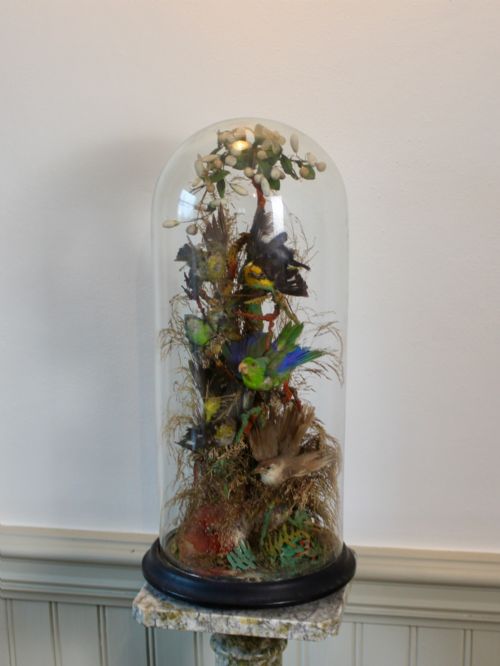
A victorian natural history specimen brings the wild outdoors inside, offering preserved birds, mammals, and shells housed in glass and timber.
Victorian Natural History Specimen
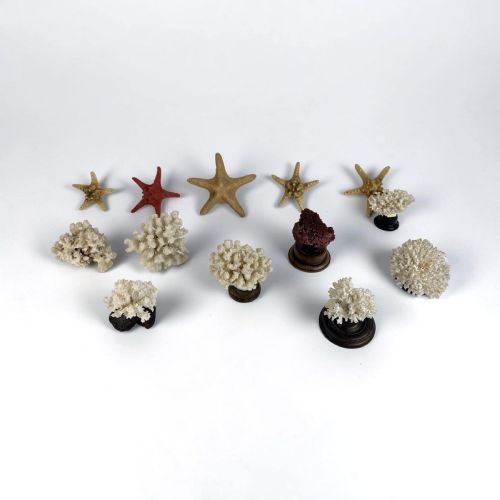
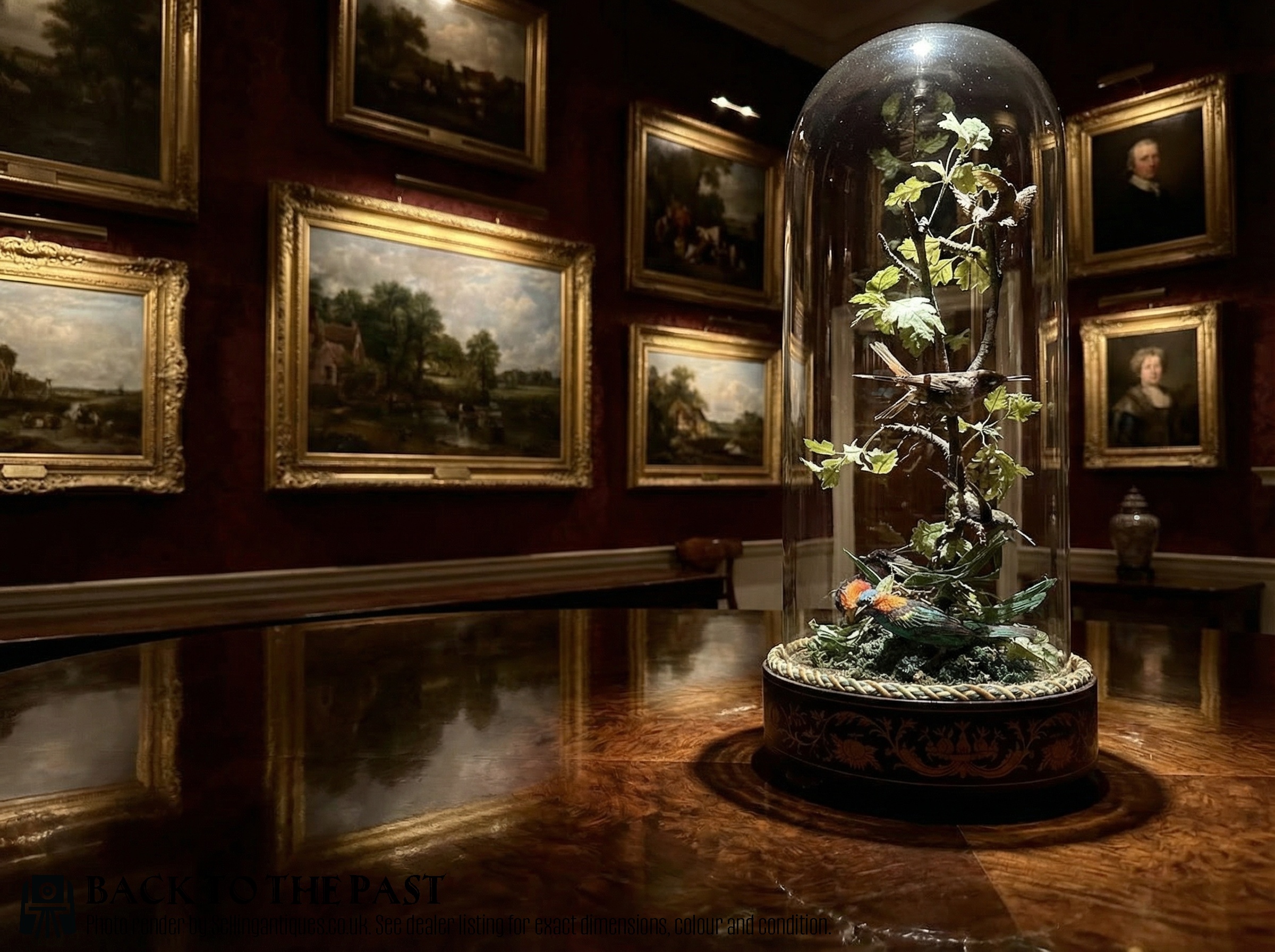
A victorian natural history specimen encompasses preserved fauna, flora, and geological items arranged for study or display. Buyers encounter taxidermy birds and mammals alongside entomology cases, coral, and botanical specimens.
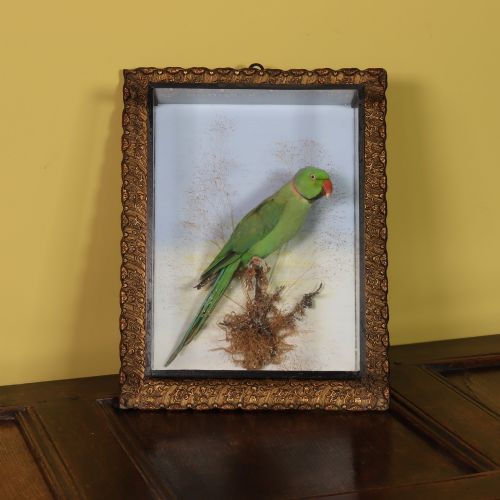
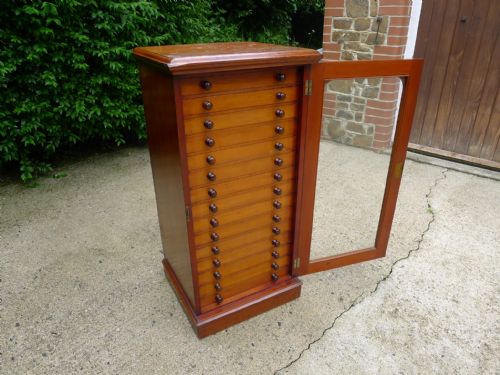
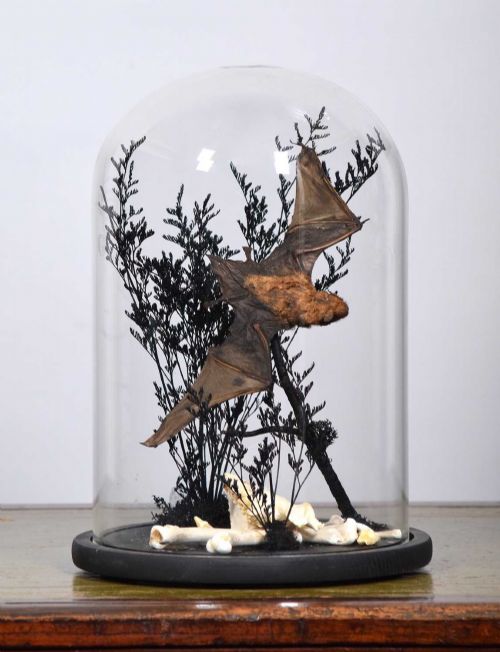
The objects stem predominantly from the nineteenth century and early twentieth century. Common formats include glazed wooden display cases, glass domes, picture frame cases, and multi-drawer collectors cabinets.
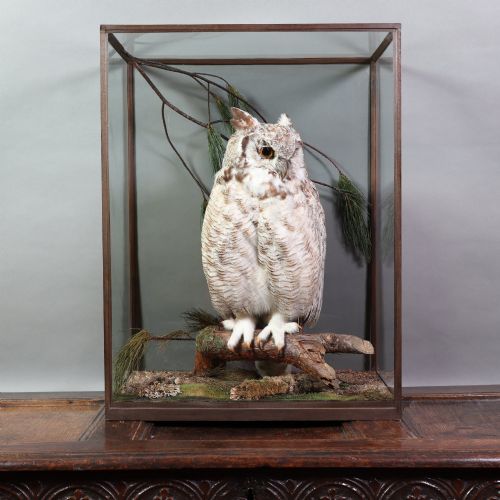
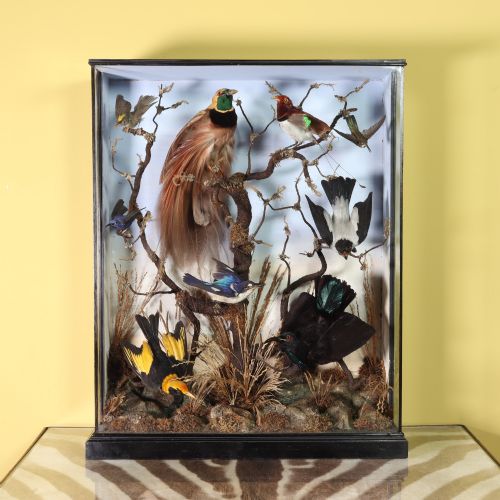
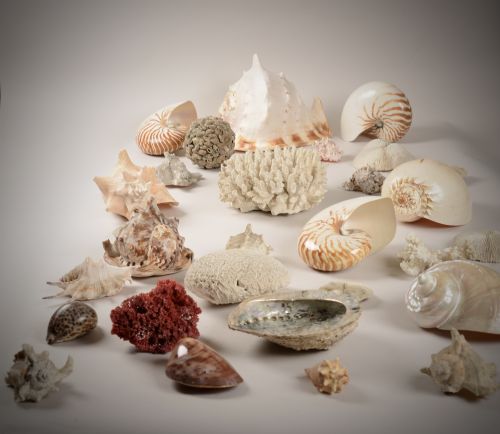
Taxidermy mounts feature single subjects like owls, kingfishers, and crocodiles, or complex groupings of colourful exotic birds and waterfowl. Shells, seed pods, and animal skulls form another significant group within these historical holdings.
How They Were Made
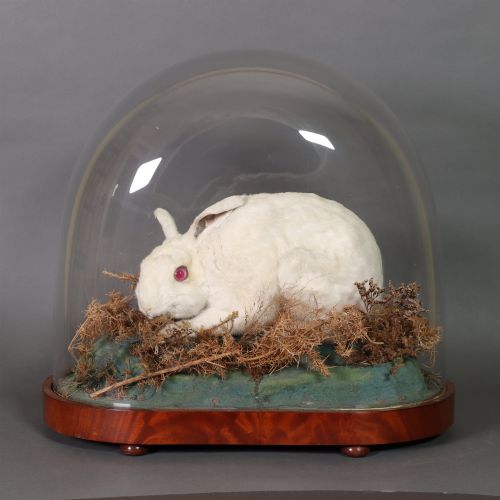
Taxidermy mounts rely on preserved skins fitted over sculpted body forms, finished with glass eyes and arranged among painted naturalistic settings of foliage and rockwork. Cases utilise mahogany, oak, and other timbers joined with glass panels to protect delicate plumage.
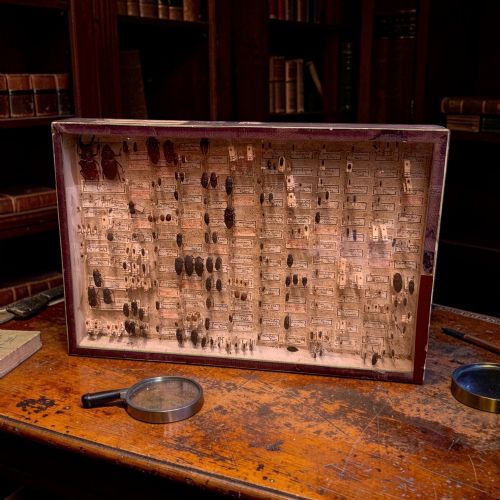
Entomology drawers and collectors cabinets demand precise joinery, often housing numerous shallow tiers designed to preserve insects, shells, or botanical sheets away from light and dust. Brass hardware and paper labels frequently complement these wooden storage pieces.
Among the preserved fauna, albino specimens and giant clam shells offer a glimpse into the era's taste for botanical anomalies.
What Varies in Quality
Quality rests on the skill of the taxidermist or maker, with celebrated firms achieving lifelike posture, anatomical accuracy, and harmonious composition in their naturalistic settings. The complexity of the arrangement, such as multi-bird groupings or large apex predators, distinguishes standard mounts from exceptional works.
The integrity of the housing affects the piece, noting the clarity of the original glass, the build quality of mahogany or oak cabinets, and the preservation state of fragile feathers or paper components.
J Griffiths of Burford·James Gardner·Rowland Ward Ltd·William Bazeley & Sons·Watkins & Doncaster·A Pollard·Edward Gerrard & Sons·J Cooper & Sons·W.F. Homer London
The Victorian Natural History Specimen Glossary
- Taxidermy display case
- A wooden and glass enclosure built to protect and showcase a stuffed animal specimen. These units keep dust and humidity away from delicate feathers and fur.
- Collectors cabinet
- A multi-drawer wooden piece of furniture designed for housing specimens like insects, shells, or fossils. The numerous shallow drawers feature tight-fitting joints.
- Dome
- A rounded glass cover set upon a base to enclose a grouping of birds or botanical elements. This method offers a clear view from all angles.
- Coco de mer
- A large double coconut seed pod originating from the Seychelles. Naturalists and collectors prized these botanical curiosities for their unusual shape.
- Entomology case
- A shallow glazed box formatted for pinning and organising insect collections. Labels often accompany the specimens to note species and origin.
Victorian Natural History Specimen: Frequently Asked Questions
What is a victorian natural history specimen?
A victorian natural history specimen is a preserved animal, plant, or geological object prepared for scientific study and interior display during the nineteenth century. These range from single birds in glass domes to multi-drawer wooden cabinets filled with insects.
The pieces reflect the period's fascination with the natural world, often combining taxidermy with painted backgrounds to mimic natural habitats.
How should I display a taxidermy case?
Display cases and glass domes require stable placement away from direct sunlight, which can fade feathers and botanical specimens over time. Keeping them in rooms with moderate humidity prevents timber frames and paper linings from warping.
Positioning cabinets and wall cases at eye level allows the fine details of the arrangement and the taxidermist's work to be appreciated clearly.
Were these specimens used for science?
Many items originated as working reference collections for naturalists, universities, and private scholars who catalogued global flora and fauna. Multi-drawer cabinets and entomology boxes were specifically engineered to organise vast quantities of research material.
Over time, the focus shifted toward decorative display in domestic interiors, merging scientific curiosity with home furnishing.
How do I identify the maker of a piece?
Makers often applied paper trade labels to the inside floor of taxidermy cases, the backboards of frames, or the underside of collectors cabinets. Names of prominent taxidermy firms and cabinet makers provide clear attribution for the work.
Stylistic cues, such as particular foliage arrangements or painted backdrops, can also point toward specific workshops when explicit labels are absent.