




Victorian Curiosities Cabinet Specimen
A victorian curiosities cabinet specimen brings the strange wonders of the natural world indoors, offering a tactile piece of nineteenth-century scientific enthusiasm for your home.
Victorian Curiosities Cabinet Specimen
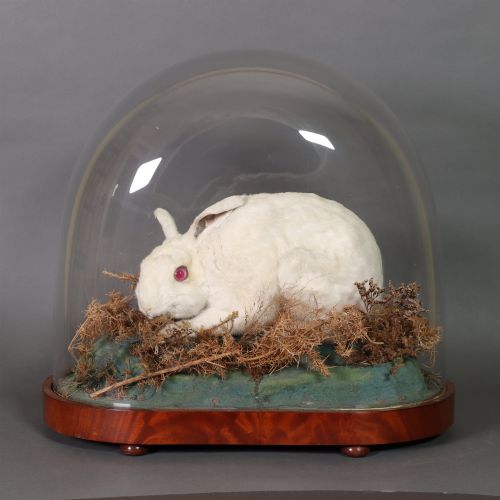
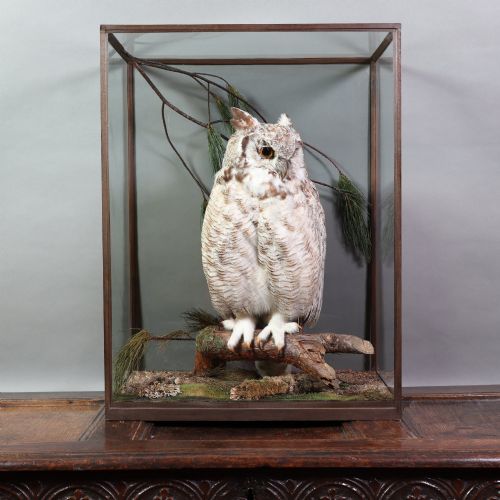
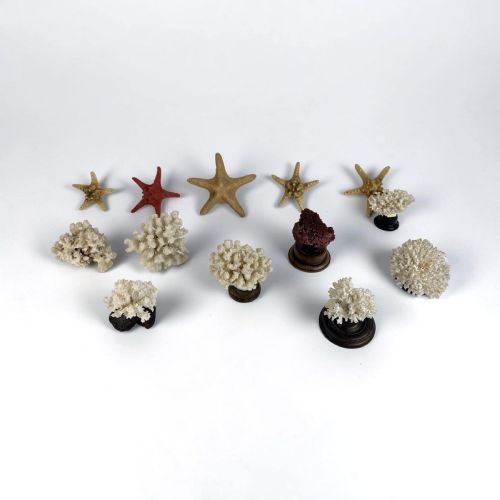
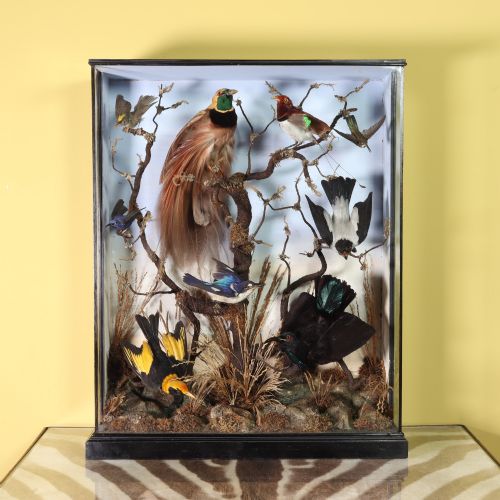
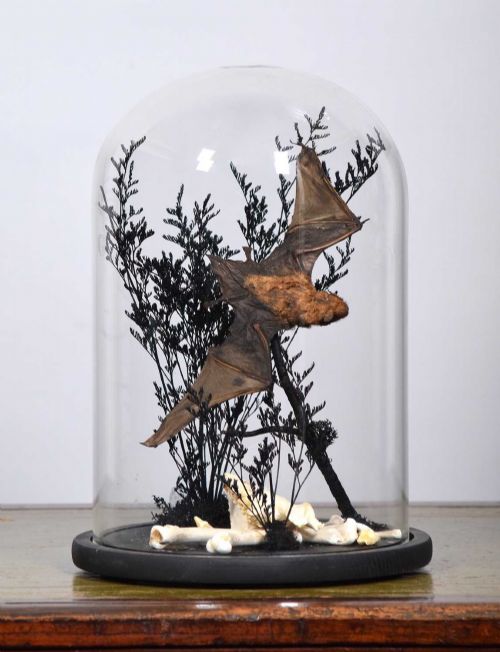
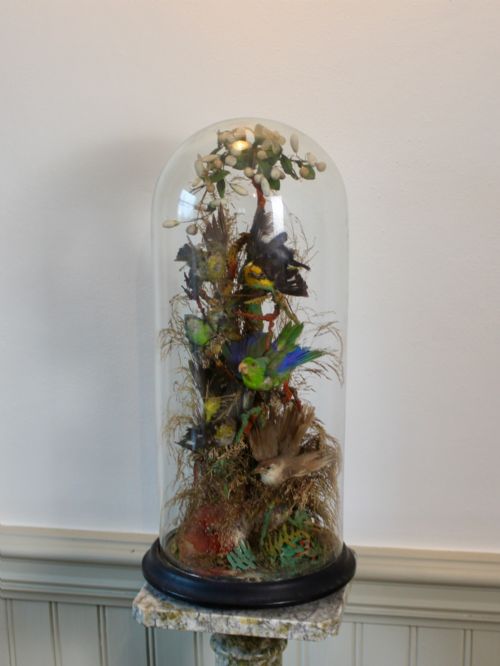
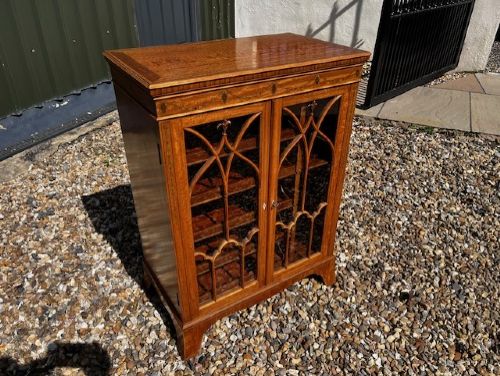
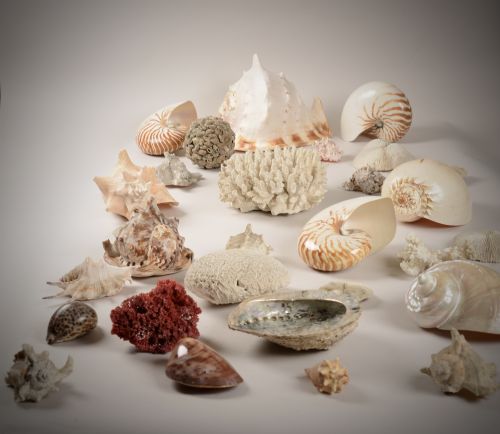
When searching for a victorian curiosities cabinet specimen, buyers encounter a diverse selection of natural history objects, taxidermy, and anatomical pieces from the nineteenth and early twentieth centuries. These items range from cased birds and mammals to shells, coral, and medical specimens housed in glass domes or specialised wooden cabinets.
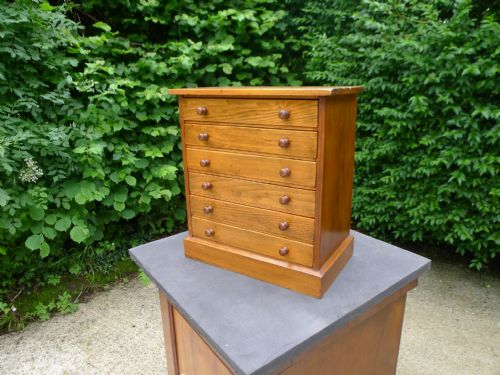
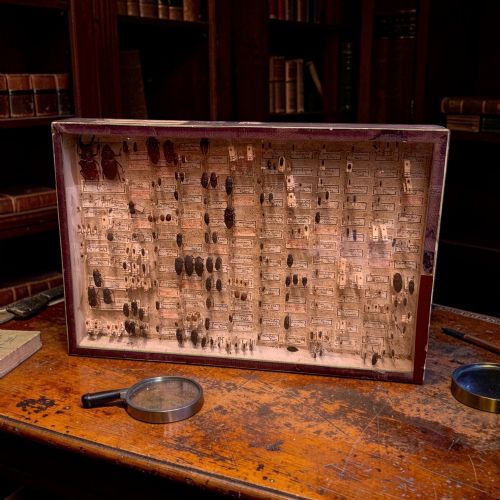
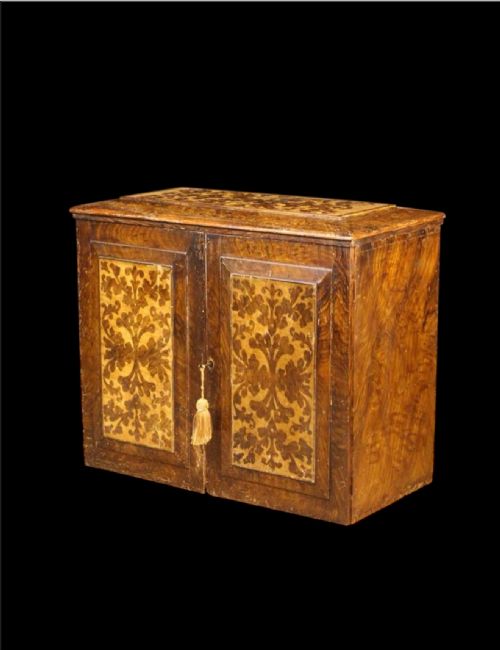
The objects most frequently met on this page include taxidermy displays under glass domes, wooden collectors cabinets with multiple drawers, and individual botanical or osteological items. Originating predominantly from the Victorian era and subsequent decades, these pieces reflect a period fascination with collecting and classifying natural anomalies.
Materials and Technique
Makers utilised glass and ebonised wood to construct protective domes and display cases, preserving delicate specimens from dust and handling. Timber such as satin walnut, satinwood, oak, and cedar formed the structure of multi-drawer collectors cabinets and microscope slide cases.
Taxidermy specimens combined preserved animal skins and feathers mounted over anatomical armatures within naturalistic settings painted or built inside glass-fronted boxes. Biological and geological elements like bone, turtle shell, feathers, dried flora, and natural shell were cleaned, carved, or arranged for display.
Among the preserved fauna, a single cowrie shell bears the Lord's Prayer carved delicately across its polished surface.
Assessing Quality
Quality rests upon the skill of the taxidermist or cabinet maker, evident in the natural posture of stuffed animals and the precise joinery of wooden cases. Named practitioners who supplied notable specimens or institutions command particular attention for their superior craftsmanship.
The condition and completeness of the display casing heavily influence the standing of an item. Intact original glass domes, well-matched collections of shells or birds, and finely inlaid woodwork separate standard items from exceptional examples.
James Gardner·Rowland Ward Ltd·A Pollard·J Dobson
The Victorian Curiosities Cabinet Specimen Glossary
- Taxidermy
- The art of preserving, stuffing, and mounting the skin of animals for display. Specimens range from single birds to complex multi-species compositions.
- Collector's cabinet
- A specialised piece of furniture fitted with numerous shallow drawers designed to organise and store natural history specimens or slides. These often feature secondary timbers like satinwood or cedar.
- Display dome
- A blown glass cover resting on a wooden base used to protect and exhibit delicate curiosities. Tall showcases provide vertical space for specimens.
- Anatomical specimen
- A biological or medical preparation used for study and demonstration. Examples include wax models, skeletal remains, and pathological items.
- Coco de mer
- A large double coconut seed pod native to the Seychelles, collected as a botanical curiosity during the nineteenth century.
Victorian Curiosities Cabinet Specimen: Frequently Asked Questions
What is a Victorian curiosities cabinet specimen?
These pieces comprise natural history specimens, taxidermy, and anatomical items collected and displayed during the nineteenth century. They represent an era when private individuals built cabinets of curiosity to house botanical, zoological, and medical oddities.
Items range from cased birds under glass domes to coral collections and specialised wooden drawer units. Each object reflects period methods of scientific observation and domestic display.
How were taxidermy specimens displayed originally?
Victorian taxidermy was frequently enclosed in glass-fronted wooden cases or beneath blown glass domes to protect delicate feathers and fur from dust. Artisans arranged painted backgrounds and naturalistic groundwork inside these enclosures to simulate the habitat of the animal.
Larger cabinets housed systematic rows of insects, eggs, or geological samples within fitted drawers. This method kept collections organised and accessible for study.
What materials are common in these cabinets?
Cabinets and cases are constructed from woods such as oak, satinwood, cedar, and ebonised timber. Glazing relies on heavy antique glass panels and blown domes.
Contents incorporate natural materials including bone, feathers, shell, coral, and dried flora alongside preserved animal skins.
How do I care for antique natural history items?
Keep specimens out of direct sunlight to prevent the fading of feathers, fur, and organic pigments. Maintain a stable indoor environment away from excessive moisture and heat.
Leave glass domes and sealed display cases intact to protect fragile contents from physical damage. Dust wooden exterior surfaces gently with a dry cloth.