
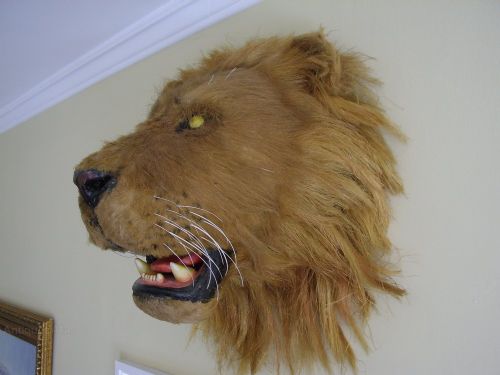
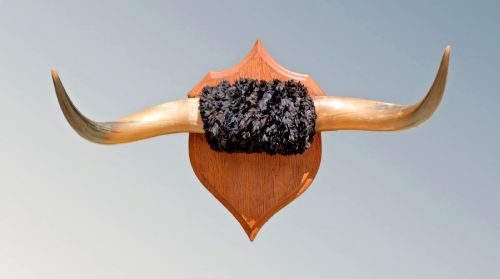
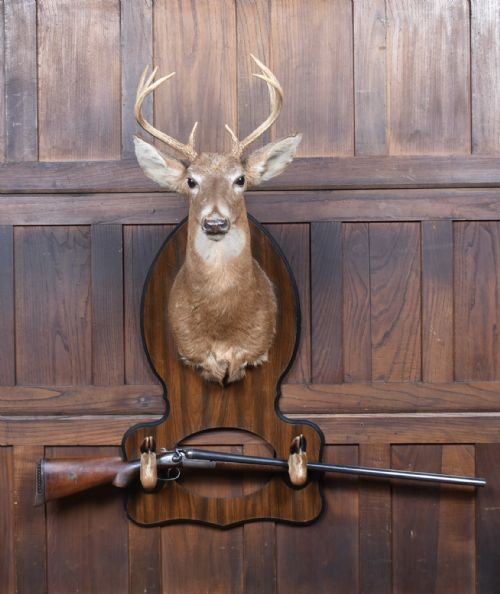
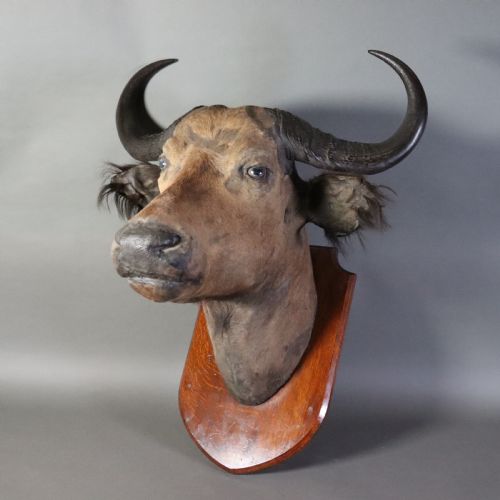


Taxidermy Wall Mount
A taxidermy wall mount brings the rugged drama of the Victorian natural history room straight into a modern interior.
Taxidermy Wall Mount
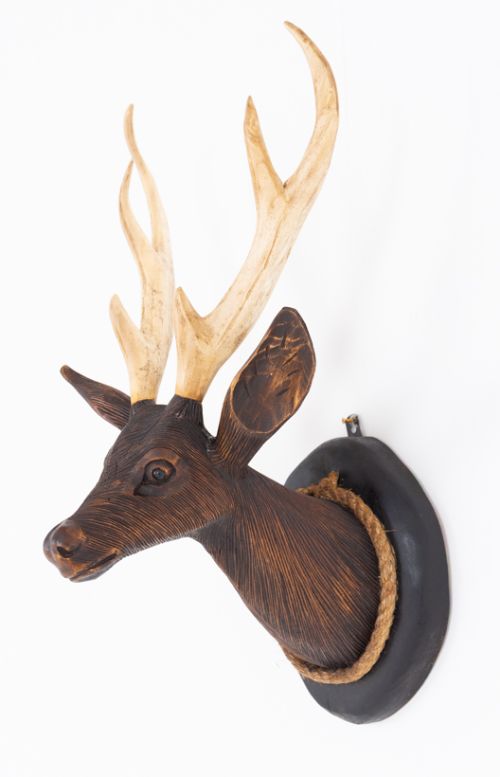
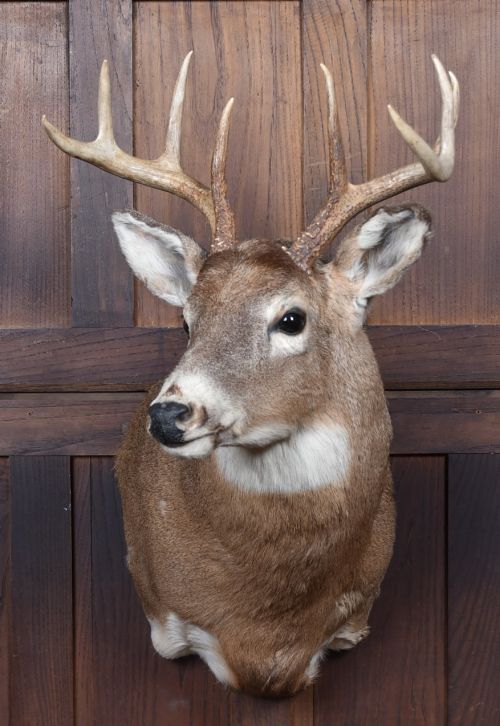
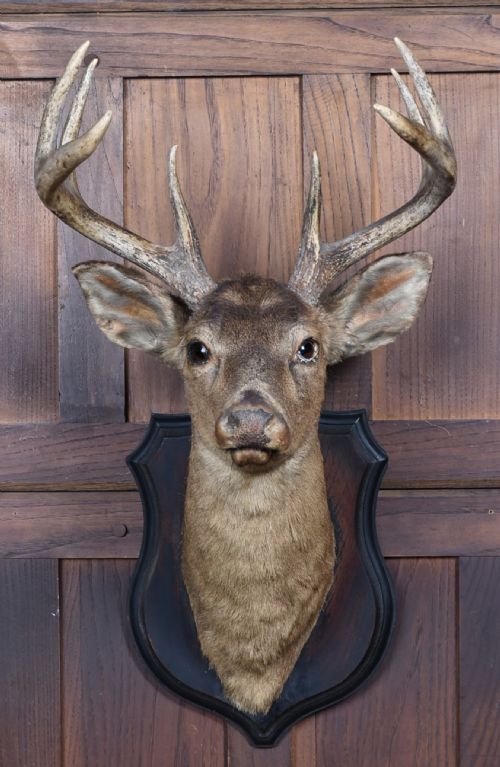
A taxidermy wall mount comprises preserved animal specimens, horns, and antlers secured to wooden shields or panels for interior display. Pieces originate across the nineteenth and twentieth centuries, spanning Victorian, Edwardian, and Black Forest traditions.
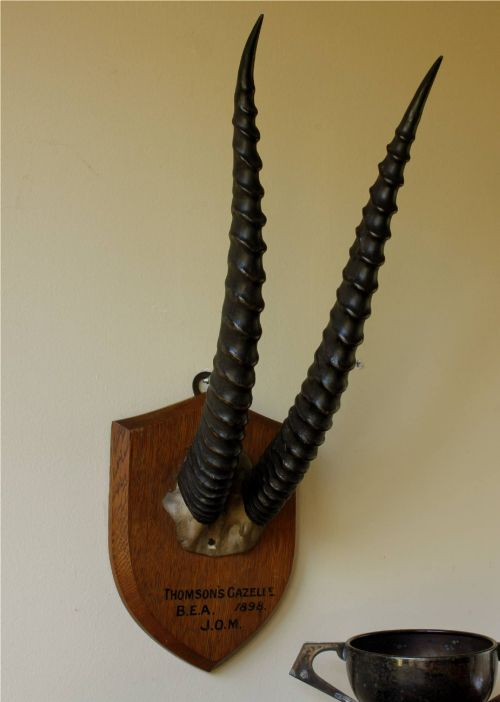
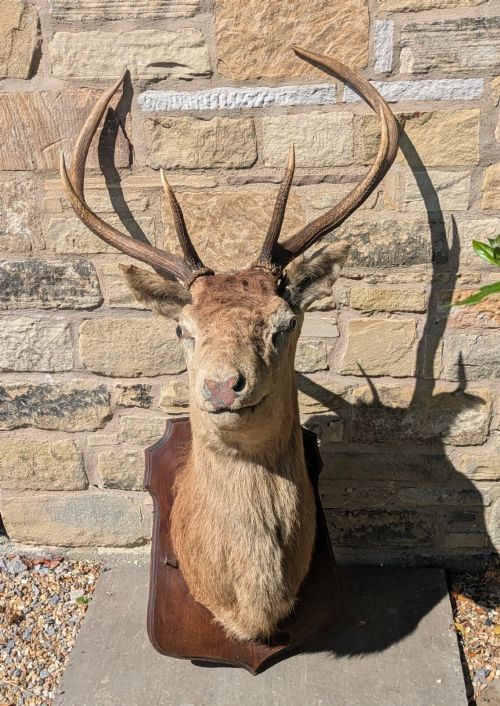
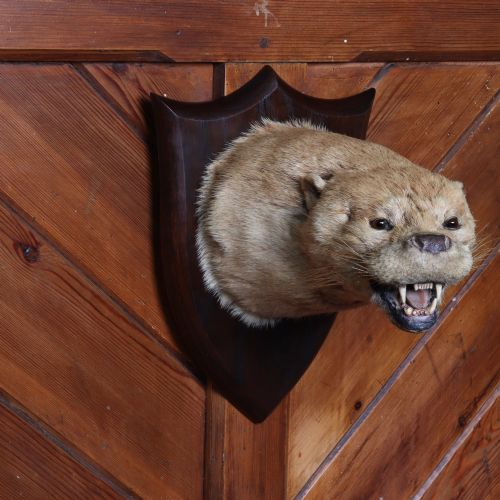
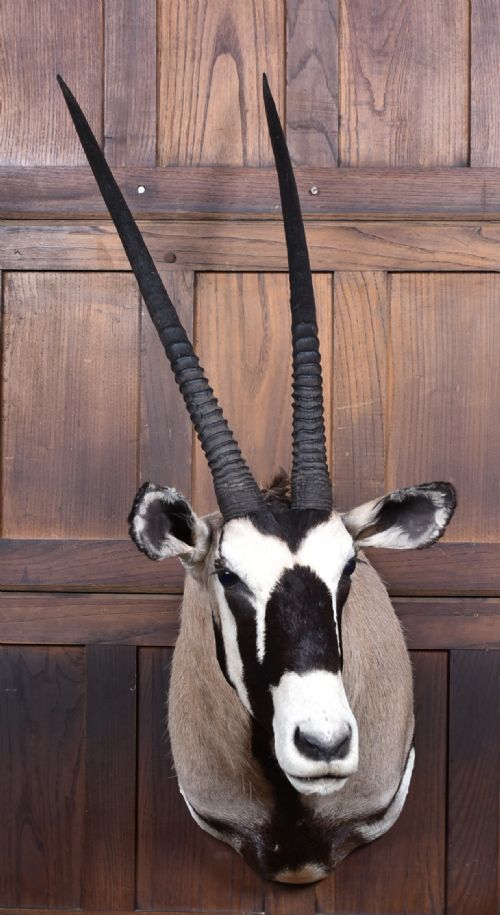
Buyers encounter red deer, roebuck, and fallow stags alongside exotic antelopes such as the springbok, waterbuck, and gemsbok. Smaller mounted items include fox masks, otter masks, fish cases, and bird specimens like jackdaws.
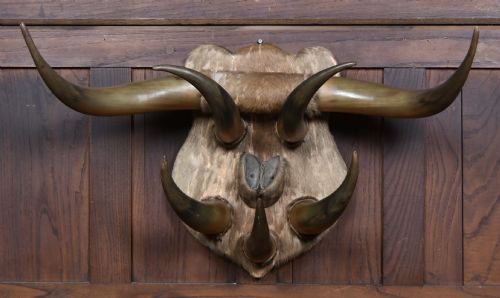
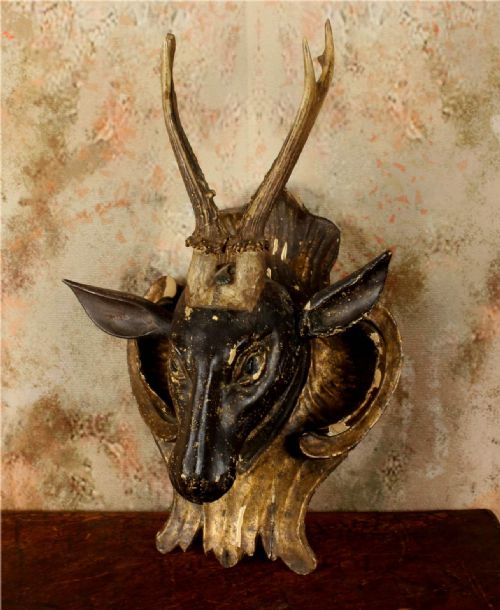
Stylistic variations range from traditional Highland hunting lodge presentations to carved wooden folk art interpretations and continental gun racks. Oak shields provide the structural backing for the majority of large mammalian trophies.
Materials and Technique
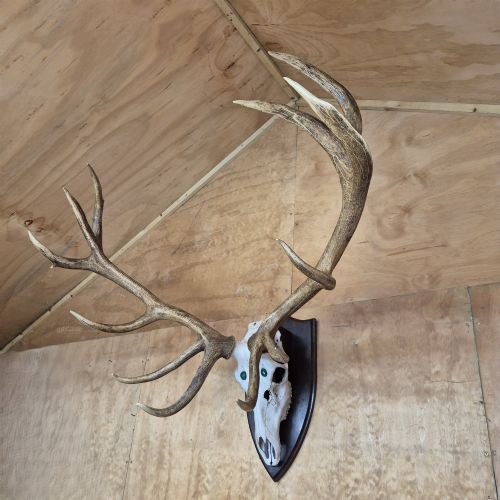
Taxidermists utilised animal hide, bone, and horn mounted over carved wooden forms or plaster armatures to shape the head and neck. Antlers and horns fastened directly to oak shields or skull plates using metal brackets and screws.
Makers finished mammalian mounts with glass eyes to restore a lifelike expression, whilst birds and fish received hand-painted details. Wooden backing shields often featured carved foliage or applied oak leaves in the Black Forest style.
Listings feature nineteenth-century and early twentieth-century pieces spanning the Victorian, Edwardian, and Black Forest design periods.
Craftsmanship and Proportion
Superior taxidermy wall mount examples display anatomically correct proportions and natural skin tension that withstands the passage of decades without significant shrinkage. Master practitioners captured alert expressions and accurate ear sets, particularly in mammalian masks and heads.
The carving quality of the oak shield or wooden backing plate distinguishes standard commercial pieces from bespoke workshop productions. Symmetrical antler spreads and robust taxidermy hide condition determine the overall visual impact of the trophy.
Peter Spicer & Sons·Edward Gerrard & Sons·Gerrard & Sons London·J. Cooper & Sons·W.F. Homer London
The Taxidermy Wall Mount Glossary
- Taxidermy
- The art of preserving, preparing, and mounting animal skins for display. Historic mounts rely on traditional stuffing methods and arsenic treatments.
- Shield
- A wooden backing board, usually fashioned from oak, shaped to support a head or set of horns. Shields frequently display carved oak leaf motifs or maker inscriptions.
- Antler
- A bony growth shed and regrown annually by members of the deer family. Antlers branch into multiple points, which collectors count to classify the trophy.
- Mask
- The head and upper neck portion of a smaller mammal such as a fox or otter preserved for wall hanging. Masks commonly record the date and location of the hunt on plaques.
- Black Forest style
- Nineteenth-century continental woodworking tradition characterised by deeply carved foliage, stags, and naturalistic forest motifs. This style heavily influences European animal trophies.
Taxidermy Wall Mount: Frequently Asked Questions
How do I clean old taxidermy?
Dust mounted specimens gently using a very soft brush or a cool hairdryer set to the lowest speed. Avoid water or chemical cleaning sprays, which damage historic hides and fragile hair.
Keep mounts away from direct sunlight and strong heat sources to prevent the hide and ears from drying out and cracking over time.
What does a royal antler set mean?
A royal designation indicates a red deer antler set featuring twelve distinct points on a single pair of antlers. This traditional terminology reflects classic British hunting standards.
Antler point counts help collectors identify the maturity and species of the deer represented in historic trophies.
Are these mounts ethically sourced?
Historic taxidermy originates from nineteenth and twentieth-century collections, sporting records, and natural history institutions. These antique specimens pre-date modern international conservation legislation.
Buying antique mounts recirculates existing historical objects rather than encouraging modern animal harvesting.