




African Trophy Mount
These pieces of african trophy mount bring the scale and presence of the continent's wildlife directly into interior spaces, offering a tangible link to early sporting history.
African Trophy Mount
When you search for african trophy mount, you are looking at taxidermy heads and horn pairs that record historical big game encounters. The examples you are most likely to meet on this page date from the Edwardian era and the early twentieth century.
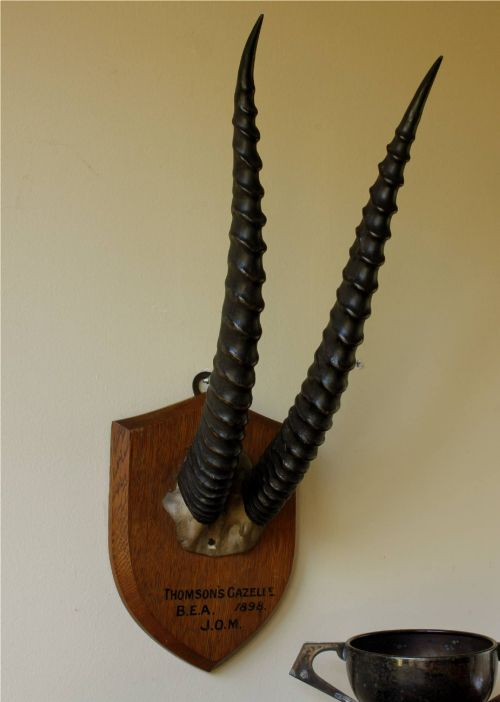
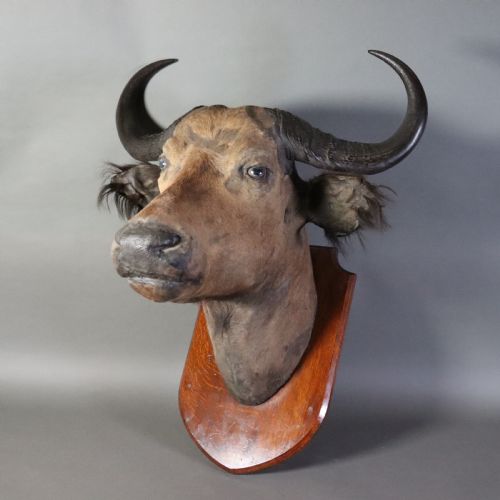
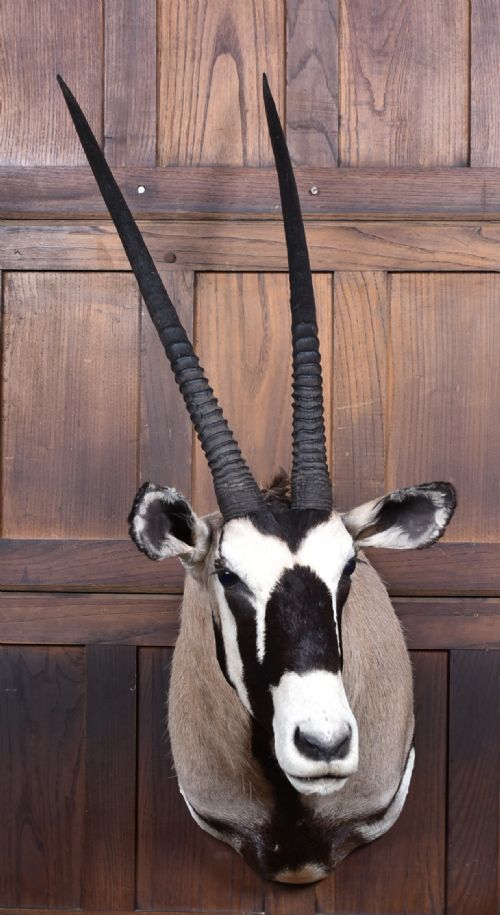
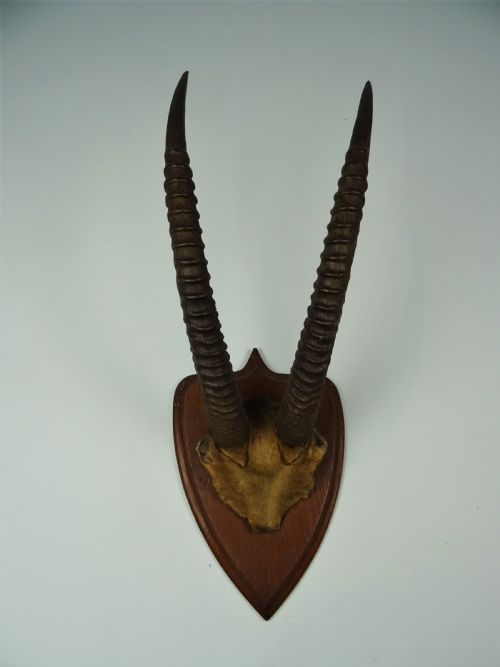
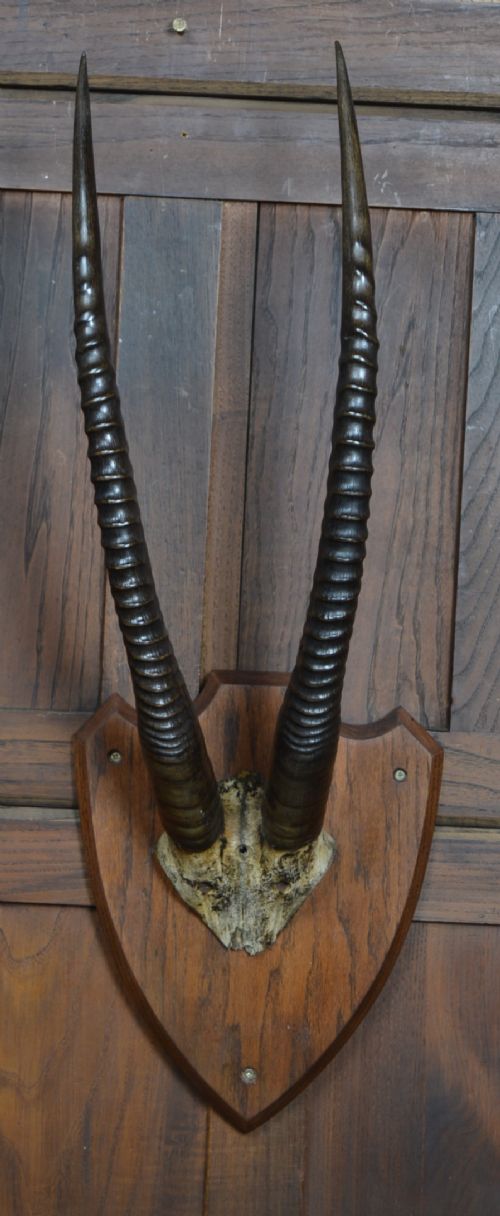
The selection ranges from full taxidermy heads of antelope species such as the springbuck, bushbuck and waterbuck to mounted horns displayed on wooden plaques. These items reflect the domestic display traditions of British sporting lodges and natural history collections.
How they were made
Taxidermists utilised natural hide and bone fitted over internal armatures to recreate the posture of animals such as the Nile buffalo and koodoo. Glass eyes were commonly inserted to complete the lifelike appearance of the mounted heads.
Horn pairs and skulls were typically mounted onto shaped wooden plaques, including oak, using metal fixings to secure the heavy bone structures for wall display.
Several specimens retain their original nineteenth-century dust, quietly insisting they have spent the last century watching rooms change around them.
What varies in quality
The symmetry and span of the horns, alongside the preservation state of the natural hide and hair, separate standard specimens from exceptional ones. Additionally, the quality of the wooden mounting plaque and the presence of maker attribution influence the standing of the piece.
Edward Gerrard and Sons
The African Trophy Mount Glossary
- Taxidermy
- The art of preparing, stuffing, and mounting the skins of animals for display. This practice formed a central component of Victorian and Edwardian natural history collections.
- Plaque
- A flat board, often made of oak in these listings, used as a backing to mount horns or trophy heads securely onto a wall. It provides a finished architectural border to the natural specimen.
- Hide
- The natural skin of an animal, retained on taxidermy mounts with fur or hair intact. Its preservation condition is a primary indicator of age and exposure.
- Horn
- The permanent hollow sheath of keratin over bone found on antelopes and other ruminants. Mounted horns are frequently presented individually or in matched pairs without the head skin.
African Trophy Mount: Frequently Asked Questions
How do I hang a heavy mount safely?
These pieces require secure fixing directly into wall studs or masonry using heavy-duty picture hooks or brackets rated for the weight of the wood and bone.
Because the centre of gravity often projects far forward from the wall, standard picture wire is usually insufficient for large trophy heads.
What is the best way to clean taxidermy hide?
Dust the hair and horns gently using a soft brush or a dry cloth on a regular basis. Avoid using water, chemical cleaners, or detergents on the hide as moisture damages the historic skin.
Keep the mounts away from direct sunlight and strong heat sources to prevent the natural materials from drying out and cracking.
How can I tell an Edwardian mount from a Victorian one?
Dating relies primarily on written records, taxidermy labels, and stylistic shifts in the mounting woodwork. Victorian examples often lean towards heavier Victorian natural history displays, while Edwardian pieces frequently reflect sporting lodge aesthetics.
Exact dates are difficult to pinpoint without accompanying documentation or inscriptions on the reverse of the plaque.
Why are some pieces just horns instead of full heads?
Many hunters preserved only the horns as a record of the hunt, mounting them onto wooden shields for easier domestic display. This format took up less space in a room than a full taxidermy head while still showcasing the scale of the animal.