





Natural Horn Trophy Mount
A natural horn trophy mount brings the distinct character of Victorian and Edwardian sporting rooms directly into modern interiors.
Natural Horn Trophy Mount
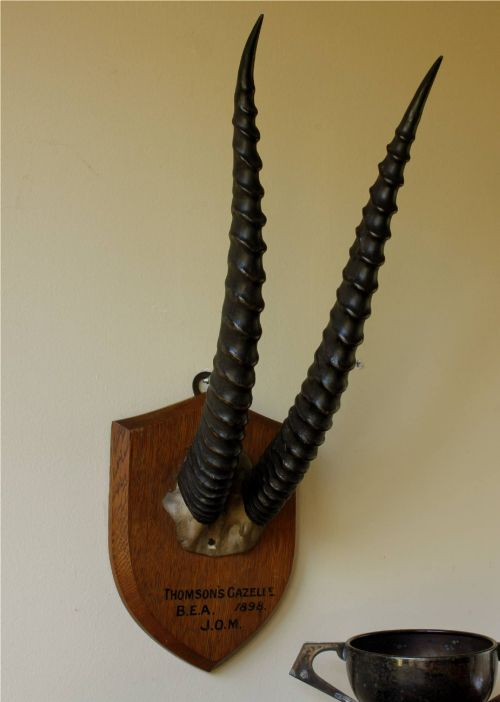
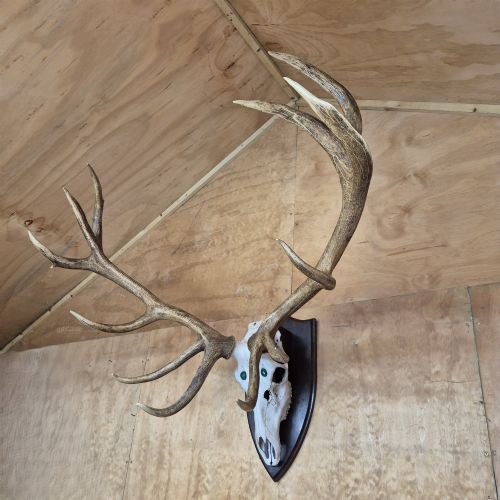
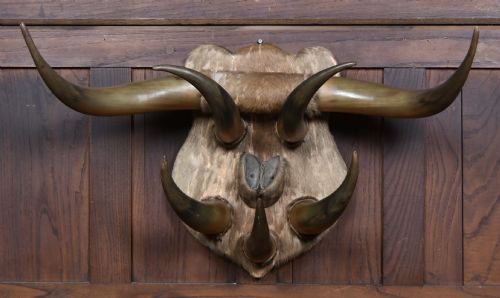
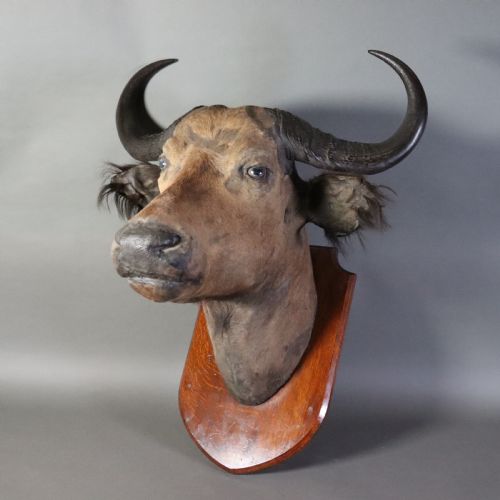
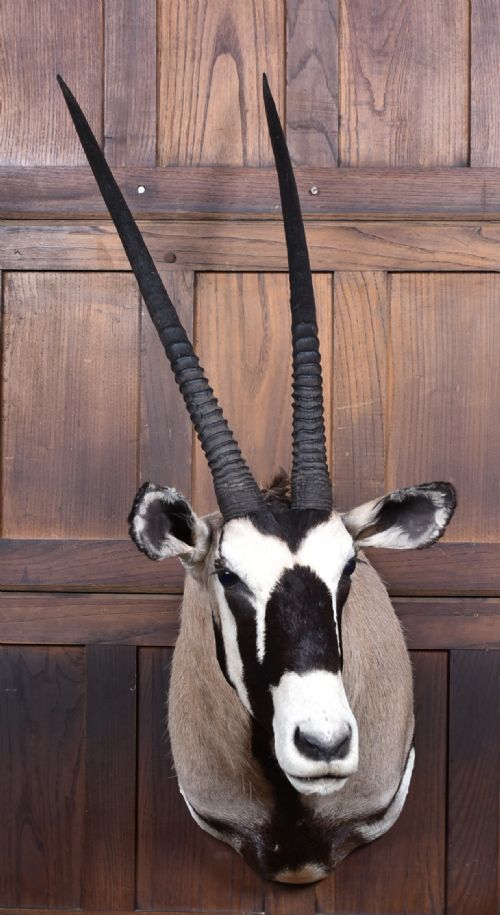
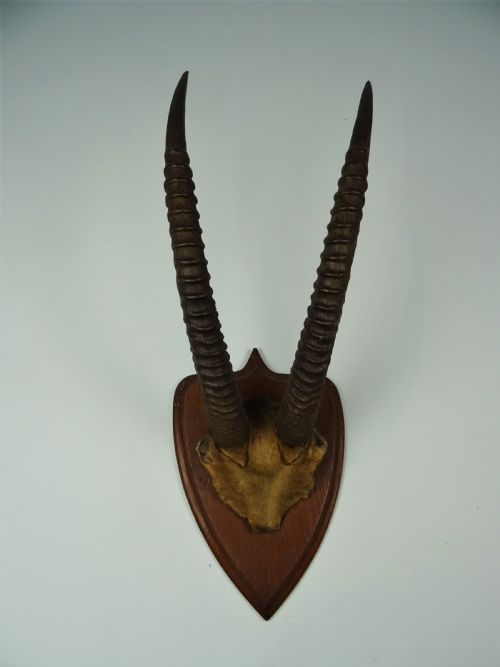
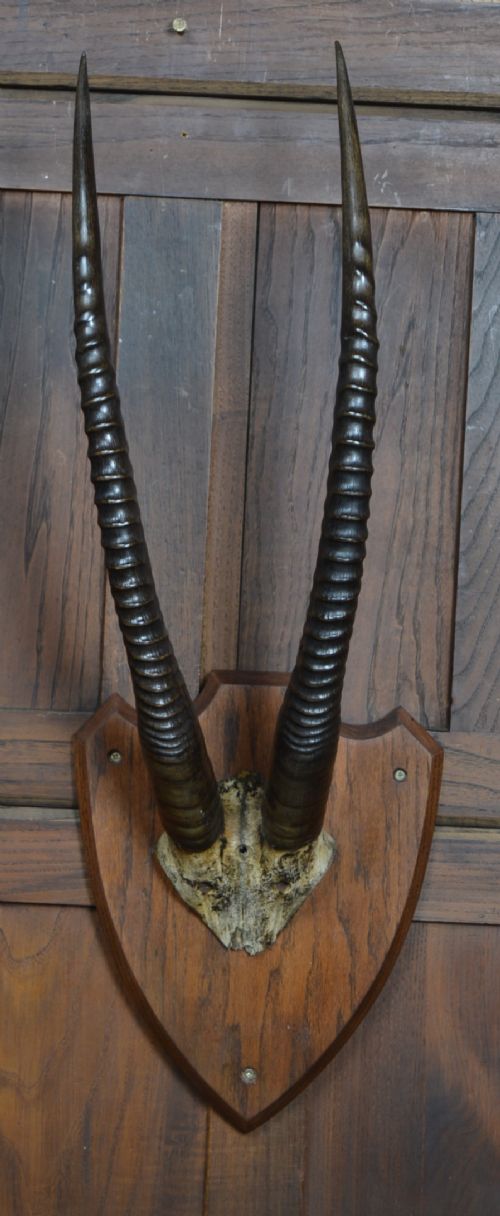
A natural horn trophy mount comprises animal horns or antlers fixed to wooden shields or brass brackets for wall display, emerging from nineteenth-century and early twentieth-century sporting and natural history traditions. These pieces range from substantial red deer antlers and buffalo horns to gazelle, gemsbok, and springbok heads mounted on carved oak or plain wood backings.
The version most commonly encountered on this page originates from the Victorian and Edwardian eras, reflecting a period when Highland lodge and natural history aesthetics shaped domestic decoration. Such taxidermy pieces combine animal bone, hide, and horn with shaped timber shields to create prominent wall decor.
What varies in quality
The calibre of taxidermy work and the symmetry of the horns establish the distinction between standard examples and exceptional specimens. Expert preparation of the hide and careful taxidermy preservation ensure the piece maintains its anatomical integrity over decades.
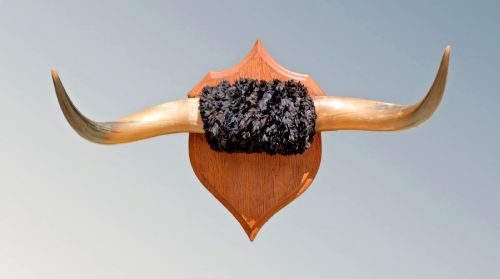
The craftsmanship of the wooden shield or mounting board also dictates overall quality, with hand-carved oak backing boards representing finer execution than plain, utilitarian panels. Furthermore, the species and scale of the trophy influence the visual impact, from pair arrangements of cattle horns to complete antelope heads.
Cattle horns paired with oak shields remind us that nineteenth-century homes occasionally needed livestock to assist with interior design.
Edward Gerrard & Sons·Gerrard & Sons London
The Natural Horn Trophy Mount Glossary
- Taxidermy
- The art of preparing, stuffing, and mounting the skins or horns of animals with lifelike effect. This practice forms the basis of all historical wall trophies.
- Shield
- A shaped wooden backing board, frequently carved from oak, upon which animal horns or heads are mounted for wall display. It provides both structural support and aesthetic framing.
- Brass-mounted
- A descriptor for trophies fitted with brass brackets or collars securing the horns to their backing. This technique adds metallic contrast to the organic horn and wood materials.
Natural Horn Trophy Mount: Frequently Asked Questions
What periods do these horn mounts come from?
The available pieces predominantly date from the late nineteenth century through to the Edwardian period and the early twentieth century. Victorian and Edwardian examples reflect the prevailing interest in natural history and hunting lodge aesthetics.
Construction methods and mounting styles help distinguish between nineteenth-century pieces and later twentieth-century specimens.
How should I clean natural horn and taxidermy?
Gentle dusting with a soft, dry brush or cloth maintains the surface of the horn and prevents the accumulation of dirt. Avoid using water, liquid cleaners, or harsh chemicals on taxidermy hides and bone.
Keeping mounts away from direct sunlight and excessive humidity preserves the organic materials over time.
What is the difference between horns and antlers?
Horns consist of a bony core covered in a permanent sheath of keratin, found on animals such as antelopes, cattle, and buffalo. These are kept by the animal for life and do not shed.
Antlers are made entirely of bone and are typically shed and regrown annually by deer species, resulting in branching structures rather than single curved sheaths.