

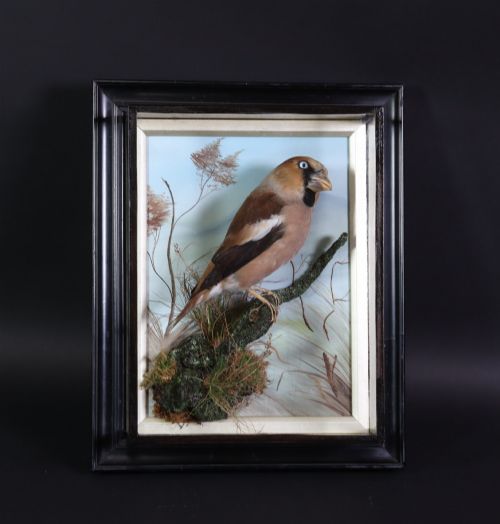
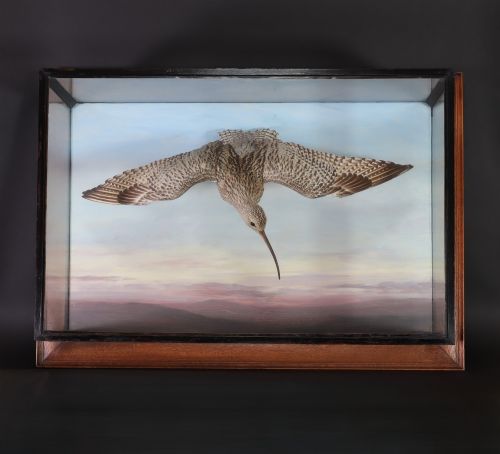
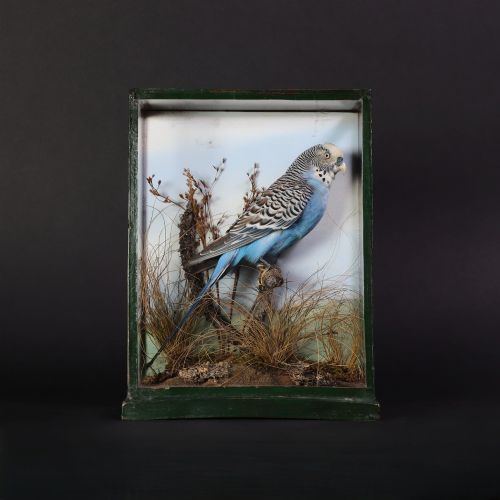
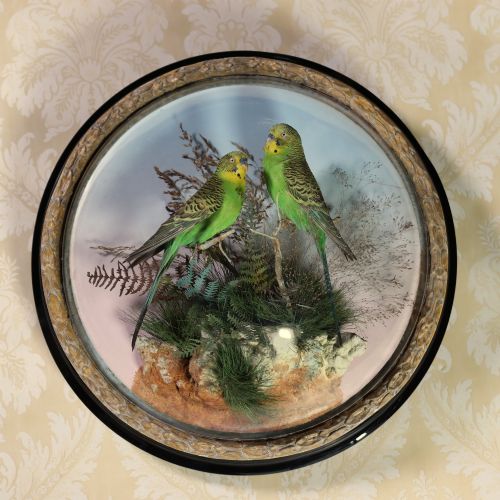


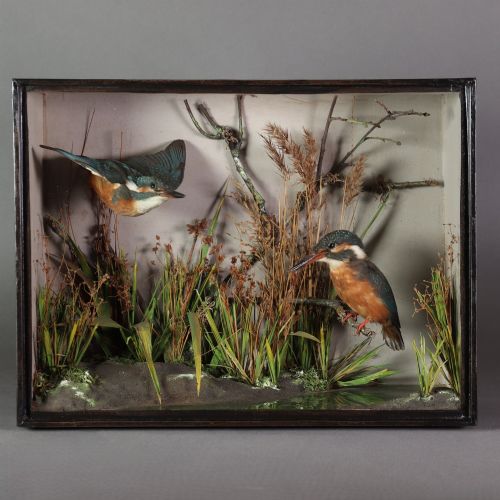

Taxidermy Bird Display
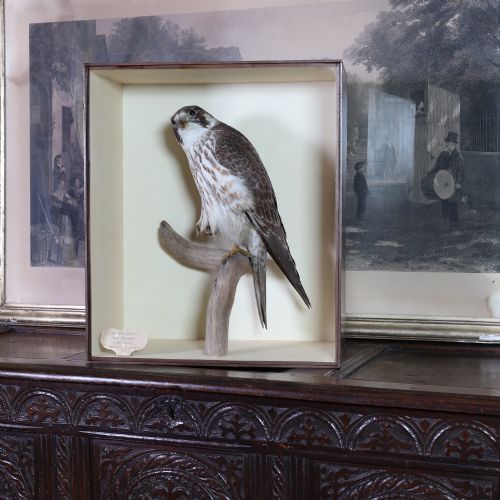
When you collect a taxidermy bird display, you bring home the meticulous artistry of nineteenth-century natural history preserved under glass.
Taxidermy Bird Display
A taxidermy bird display captures the avian world in preserved form, ranging from single specimens to complex compositions. The pieces found here span the Victorian era, the Edwardian period, and the early twentieth century.
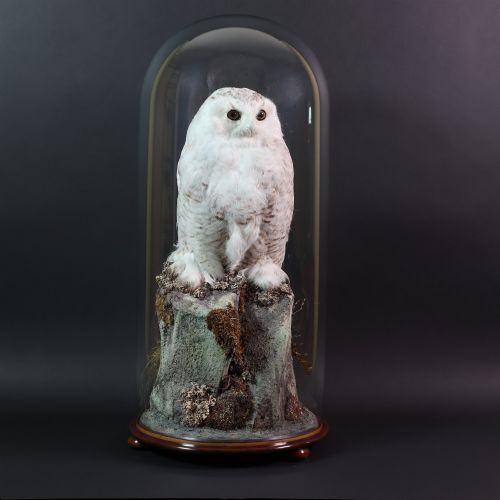
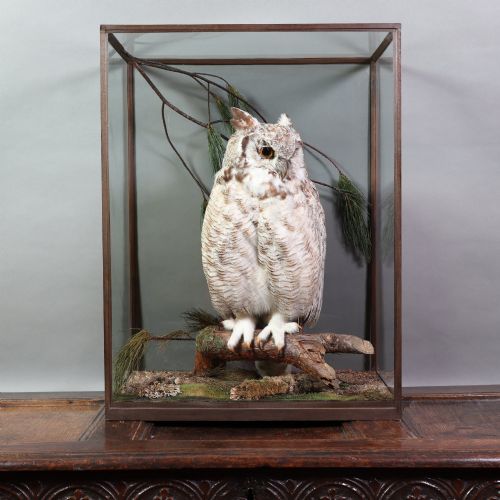
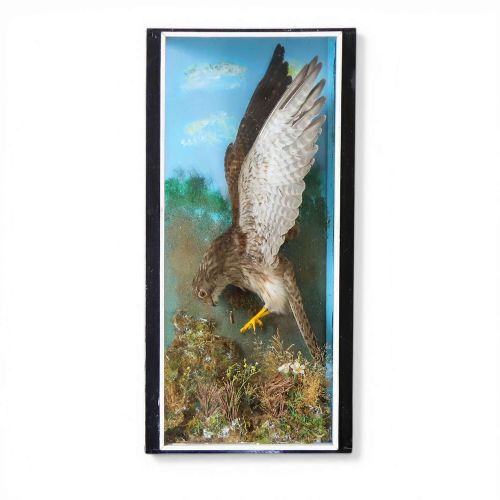
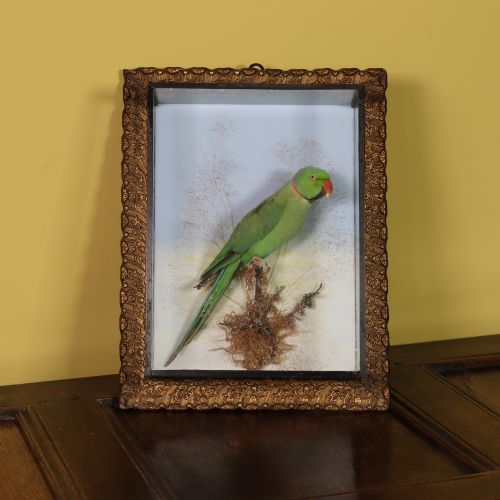
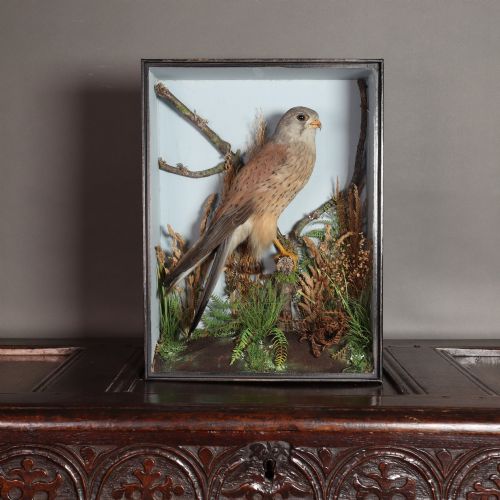
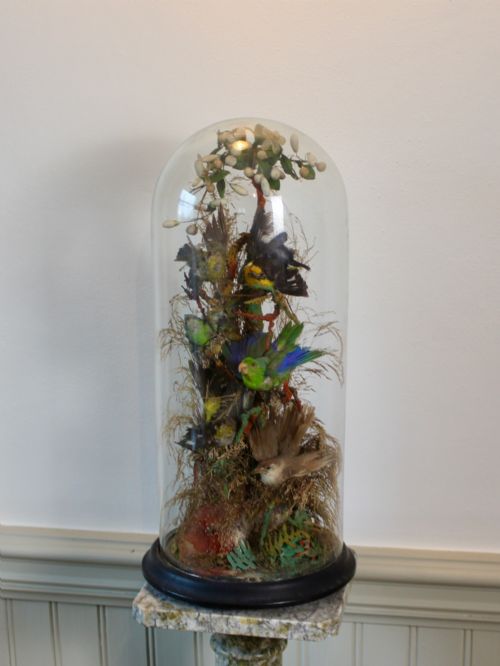
Buyers frequently encounter cased taxidermy, such as oak cases and painted dioramas, alongside glass domes. These objects reflect the Victorian fascination with natural history and domestic curiosity cabinet display.
What Varies in Quality
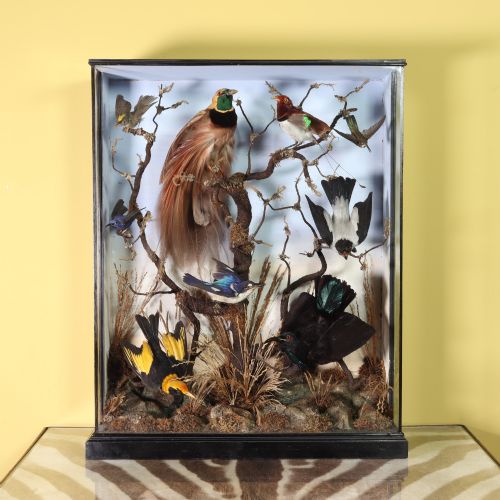
The distinction between ordinary and exceptional works rests upon the taxidermist's skill in capturing anatomical precision and lifelike posture. Composition complexity, such as multi-species arrangements or exotic birds, elevates the stature of a piece.
The quality of the housing matters immensely, from simple glazed boxes to spectacular domes and elaborate picture frame cases. Attributed works by notable practitioners command particular attention for their provenance and technical execution.
Taxidermy Bird Display Retail Price Guide 2026
Typical asking prices for taxidermy bird display among the pieces listed under this phrase on Sellingantiques today, from the lower quarter to the upper quarter. They describe what is for sale here now, not the wider market.
Several Victorian snow scenes capture hardy birds standing in painted winter landscapes under glass domes.
J Griffiths of Burford·Rowland Ward Ltd·T. E. Gunn·William Bazeley & Sons·Henry Ward London·A Pollard·James Gardner·W.F. Homer London
The Taxidermy Bird Display Glossary
- Taxidermy Dome
- A glass cover set upon a wooden base to protect and display bird specimens. These enclosures offer a clear view from all angles.
- Diorama
- A three-dimensional scene featuring taxidermy specimens set against a painted background with natural elements like moss. This technique provides context for the birds.
- Ebonised Wood
- Timber treated to resemble ebony, frequently utilised for Victorian display cases. It gives a dark, uniform finish that frames the specimens.
- Curiosity Cabinet
- A collection space for natural history specimens and artefacts popular in the nineteenth century. These displays formed the centrepiece of such collections.
Taxidermy Bird Display: Frequently Asked Questions
Where should I place a display case?
Display cases need stable indoor environments away from dampness and extreme temperature fluctuations. Placing them out of direct sunlight preserves the colour of the plumage.
Wall-mounted picture frame cases and tabletop cabinets suit rooms with consistent climate control.
How can I tell a Victorian case from a later one?
Victorian examples often feature ebonised wood frames, hand-written specimen labels, and specific framing techniques typical of late nineteenth-century workshops. Edwardian and later pieces may utilise lighter oak or different construction methods.
Examining the backing paper and glazing helps determine the exact period of manufacture.
Are these birds sourced ethically today?
These historical artefacts originate from the Victorian and Edwardian eras when natural history collecting was widespread. The specimens reflect past scientific and decorative practices.
Modern buyers acquire them as antiques and historical examples of taxidermy artistry.