
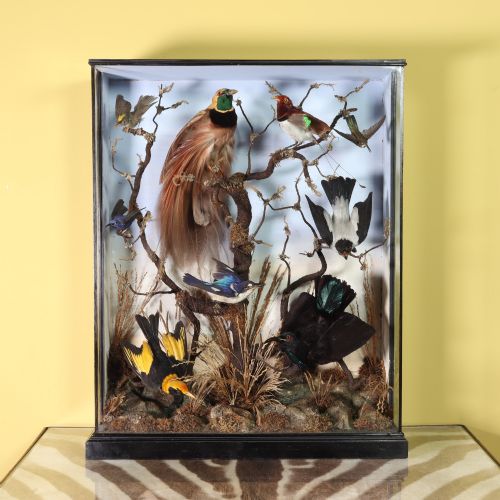
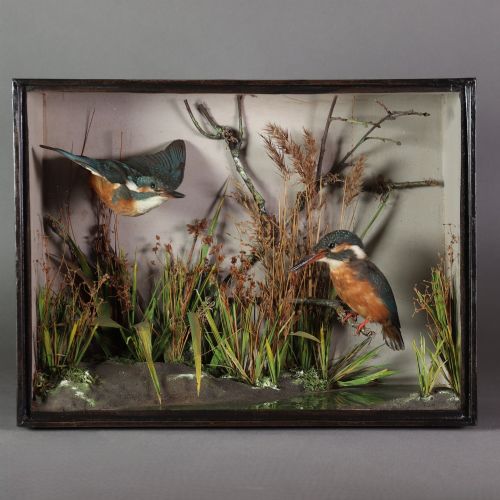


Framed Taxidermy Birds
Framed taxidermy birds bring natural history indoors through preserved specimens housed in wooden and glass cases.
Framed Taxidermy Birds
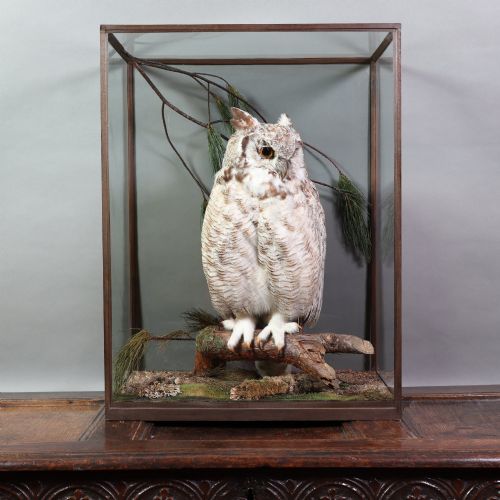
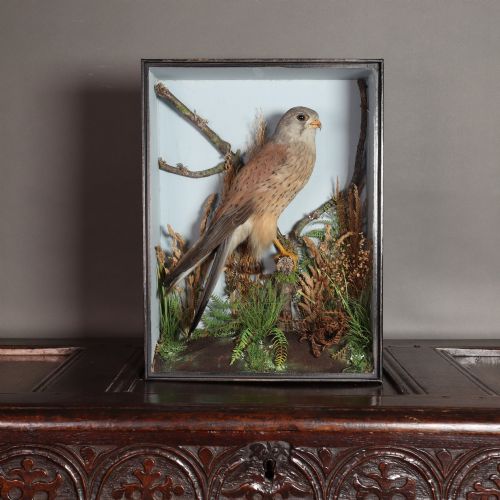
When you search for framed taxidermy birds, you encounter preserved specimens mounted inside glass and wood enclosures. These displays preserve avian forms from the nineteenth century through the early twentieth century.
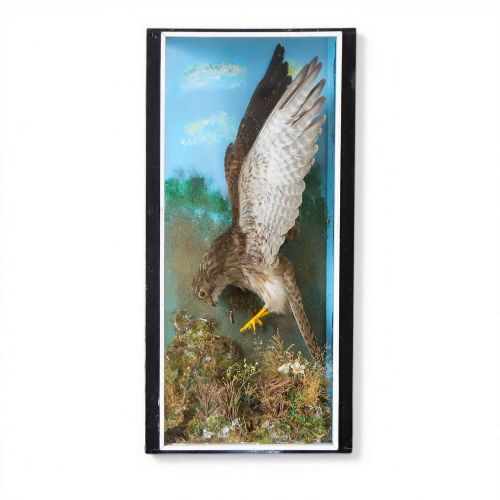
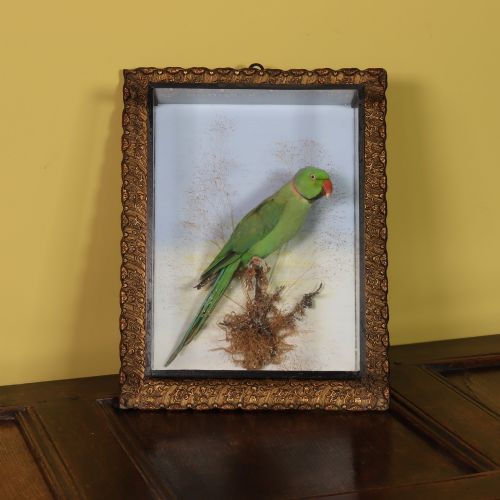
You frequently meet Victorian examples alongside early twentieth-century dioramas. The assortment spans single specimens like owls and kestrels to multi-bird cases featuring exotic and native species.
Originating largely from British workshops and natural history traditions, these pieces range from simple oak cases to elaborate painted settings. Each display captures ornithological specimens arranged amidst moss and dried vegetation.
Materials and construction
Makers constructed these displays using wooden frames enclosing glass panels to protect the delicate specimens within. Wood types such as oak form the structural housing for the taxidermy work.
Inside the case, taxidermy specimens are arranged with materials like moss, dried vegetation, and painted backgrounds. Paper labels and painted details frequently complete the naturalistic habitat scenes.
Some Victorian taxidermists placed tiny painted snow scenes inside enclosures to keep kingfishers and waxwings looking permanently chilly.
Distinctions in quality
Quality separates standard preservation work from the output of accomplished taxidermists through the natural posture and anatomical accuracy of the bird specimen. Skilled practitioners captured lifelike expressions and correct plumage arrangement.
The sophistication of the internal diorama environment further defines the standard of the piece. Elaborate painted backgrounds and carefully composed botanical elements elevate a display beyond simple mounting.
Rowland Ward Ltd·T. E. Gunn·William Bazeley & Sons
The Framed Taxidermy Birds Glossary
- Taxidermy specimen
- The preserved skin and form of an animal mounted to imitate life. This forms the central subject of every framed avian display.
- Diorama
- A three-dimensional scene depicting wildlife in a simulated natural habitat. These settings often include painted backdrops and botanical elements.
- Taxidermy case
- A protective wooden and glass enclosure built to house and display preserved animals. Such cases protected delicate feathers from dust and damage.
- Victorian natural history
- The nineteenth-century cultural movement that popularised collecting and displaying natural specimens. This era produced the majority of the domestic bird cases seen today.
Framed Taxidermy Birds: Frequently Asked Questions
How do I clean the glass on a bird case?
Clean the exterior glass gently using a standard glass cleaner applied to a cloth rather than directly to the surface. Avoid letting moisture seep into the wooden joints.
Keep the interior sealed and untouched to protect the delicate feathers and historical taxidermy materials from accidental disruption.
Where should I hang a taxidermy bird case?
Position the case away from direct sunlight to prevent the plumage colours and painted backdrops from fading over time. Stable indoor wall locations protect the antique wood and glass.
Ensure the wall mount is secure because these wooden and glass enclosures carry substantial weight from the internal framing and specimens.
How can I tell a Victorian bird case from a later one?
Examine the construction methods of the wooden frame and the materials used for the internal background and labels. Victorian pieces frequently feature heavy timber mouldings and hand-painted settings.
Twentieth-century examples often incorporate simpler painted cases or different framing styles typical of the 1920s and 1930s.
What birds are most common in these displays?
British birds of prey such as kestrels and owls appear frequently alongside waterfowl like ducks and moorhens. Collectors also encounter familiar garden and woodland species.
More elaborate nineteenth-century cases occasionally combine mixed exotic birds sourced from regions like South America, New Guinea, and Australia.