

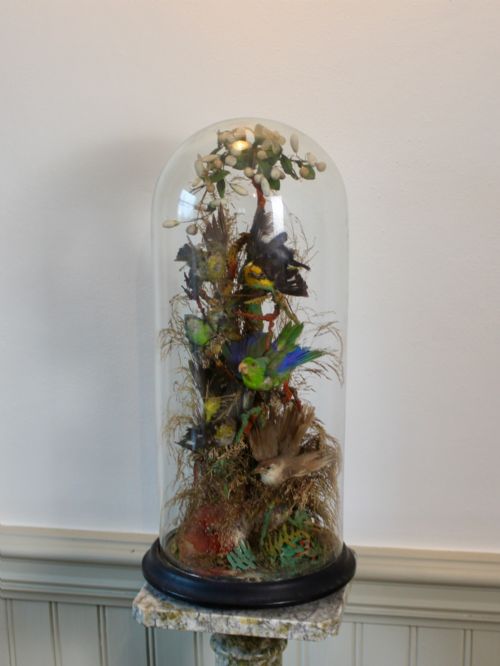


Victorian Taxidermy Case
These Victorian taxidermy cases bring preserved natural specimens into interiors through glazed wooden frames, display domes and cabinets.

Victorian Taxidermy Case
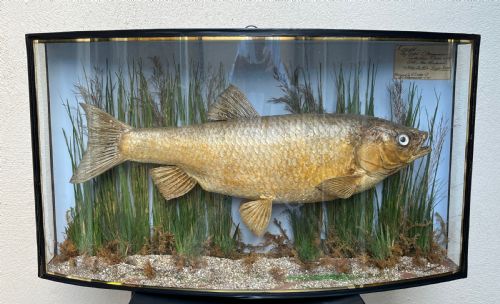
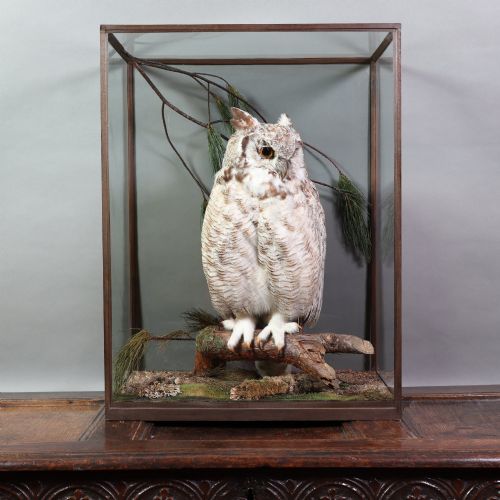
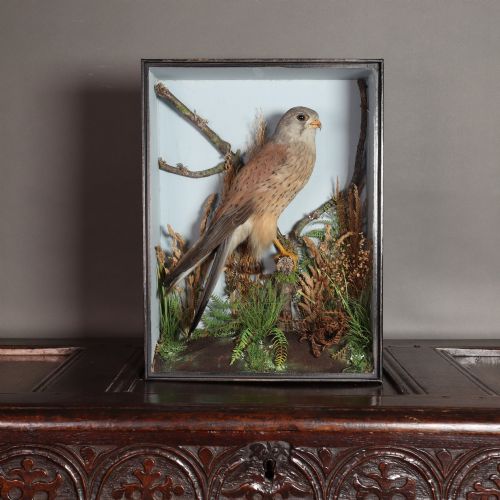
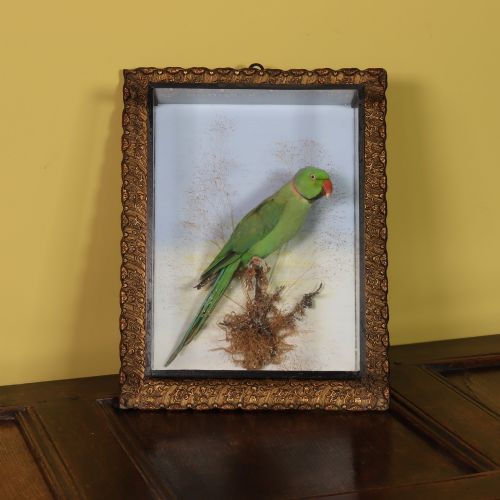
A Victorian taxidermy case protects preserved birds, mammals and natural specimens behind glass within wooden frames, table showcases, picture frames and glass domes. The offerings include single specimens such as owls, kestrels, parakeets, jays, ducks, pigeons, red squirrels, dormice and foxes alongside multi-bird arrangements.
The objects span the nineteenth century, including pieces from around eighteen-ninety and nineteen hundred, with both Victorian and Edwardian examples appearing. Makers and taxidermists working from locations such as London, Northampton, Bristol, Taunton and Bridgnorth produced these pieces for natural history display and domestic curiosity cabinets.
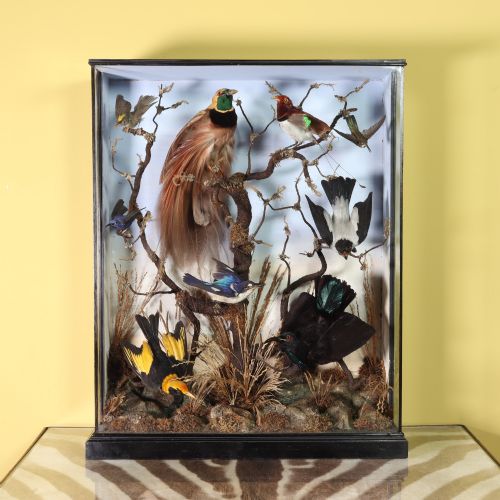
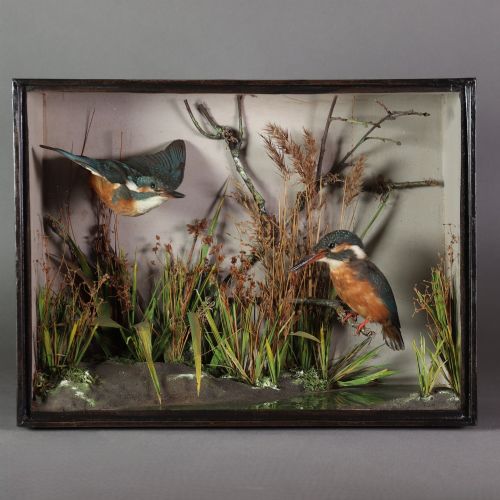
Compositions range from compact domestic wall cases and picture frame displays to larger exhibition cases containing exotic birds from regions like South America, New Guinea and Australia, as well as native British wildlife in naturalistic settings.
Materials and Construction
Makers housed preserved specimens within enclosures built from timber, mahogany, and gilt wood, fitted with clear glass panels, domes and exhibition showcases. Naturalistic interior settings incorporated dried vegetation, feathers and rocks to mimic the habitat of the animals.
Specialist taxidermists mounted birds and mammals using internal armatures and taxidermy techniques, arranging plumage and fur within sealed glass enclosures to protect the specimens from dust and deterioration.
Retail Price Guide 2026
Typical UK retail prices for victorian taxidermy case, calculated from the Sellingantiques database of over a million retail prices indexed since 2003. This retail price guide relies exclusively on Sellingantiques data; no external sources or auction records are used, so the figures do not describe the wider market.
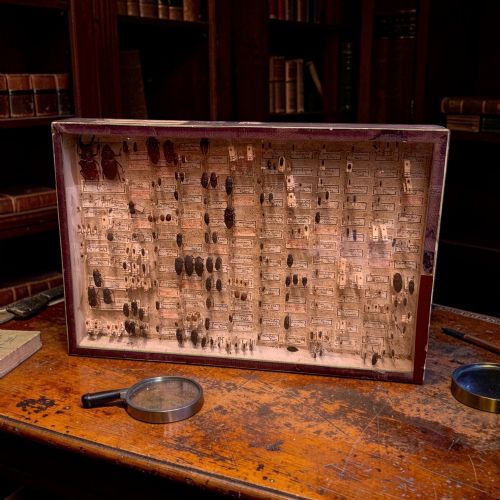
Some nineteenth-century makers supplied wall cases containing arrays of seventy-odd glass eyes, ready for the taxidermist bench.
Defining Quality in Preservation
Quality rests upon the lifelike posture of the preserved animal and the complexity of the naturalistic setting, distinguishing basic specimens from detailed multi-bird habitat scenes. The execution of the taxidermy work and the condition of the plumage or fur dictate the visual success of the piece.
The enclosure itself shapes value, moving from simple wooden frames to elaborate mahogany display cases, mirrored domes and all-glass exhibition covers signed by known practitioners.
T. E. Gunn·William Bazeley & Sons·S. King·J Dobson·W. C. Shelbrooke·Petherick of Taunton·Rowland Ward of London·Davis & Co
The Victorian Taxidermy Case Glossary
- Taxidermy Case
- An enclosed glass and wood container built to house and display preserved animal specimens. These range from wall-hung picture frames to large table cabinets.
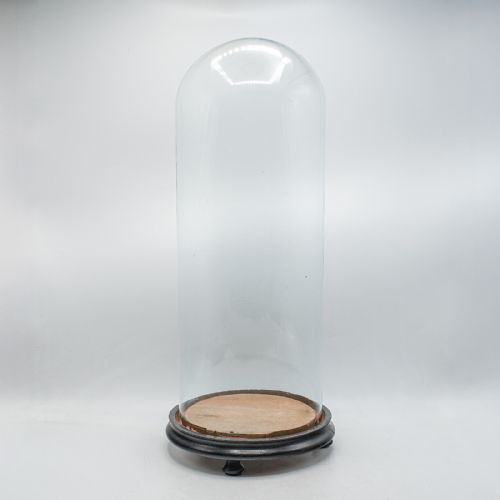
- Display Dome
- A blown glass cover resting on a wooden base, frequently used during the nineteenth century to protect delicate bird specimens and natural history curiosities.
- Natural Specimen
- An animal, bird or plant preserved for scientific study or domestic decoration. Listings feature mammals like squirrels and foxes alongside various native and exotic birds.
- Exhibition Showcase
- A large glazed cabinet designed to display complex taxidermy scenes to a high standard. These often incorporate mirrored backs or extensive naturalistic foliage.
- Naturalistic Setting
- The artificial arrangement of dried vegetation, branches and ground cover inside a case to replicate an animal natural habitat.
Frequently Asked Questions
What animals appear in these cases?
The listings include native British birds like Eurasian jays, barn owls, kestrels, woodcock and pheasants, alongside mammals such as red squirrels, otters and dormice. Exotic species from South America, Australia and New Guinea also feature.
Larger exhibition pieces sometimes present predatory scenes, including hawks with prey or multi-bird displays containing hummingbirds, parrots and finches.
How were these cases displayed in homes?
Owners placed table showcases and glass domes upon mantelpieces, sideboards and dedicated curiosity cabinet furniture. Wall-hung cases and picture frame mounts allowed owners to exhibit specimens in parlours and studies.
The glass covers served a practical purpose by keeping dust and moisture away from fragile feathers and fur.
How do I identify the period of a case?
Dating relies upon construction methods, timber choices such as mahogany, and the style of the glass framing. Victorian and Edwardian examples often feature handwritten trade labels pasted to the reverse or interior base.
Specific dates or maker signatures provided on the backing boards or frames help narrow down the decade of production.
Are the glass domes original?
Many pieces retain their original blown glass domes and fitted wooden bases, which show subtle bubbles and imperfections typical of nineteenth-century glassmaking. The glass is usually sealed to the base to maintain an airtight environment for the preserved specimen inside.
Replacement glass covers lack the character and exact proportions of period enclosures.