







19th Century Taxidermy
These 19th century taxidermy pieces bring the natural history and hunting pursuits of the Victorian era directly into domestic interiors.
19th Century Taxidermy
When you search for 19th century taxidermy, you encounter a diverse array of preserved specimens, wall trophies, and domestic furnishings. The selection spans domestic birds, exotic wildlife, and functional objects incorporating natural elements from the Victorian period.
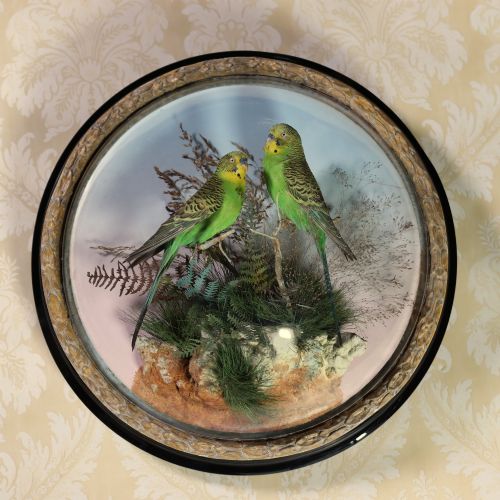
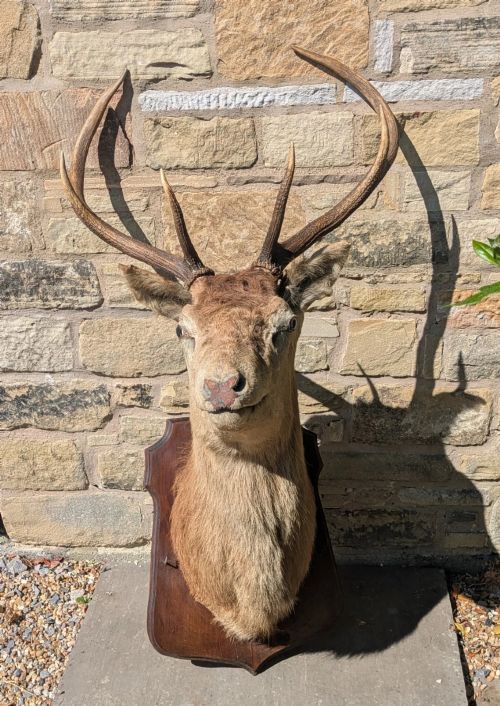
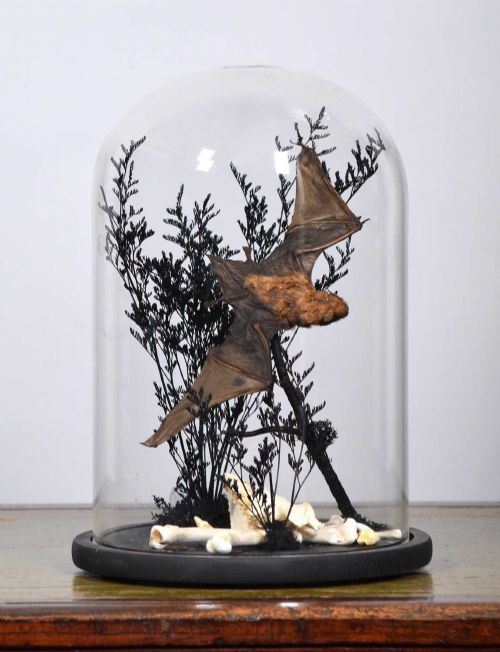
You are most likely to meet cased bird displays under glass domes, wall-mounted antlers, and large mammalian trophies such as stags and gazelles. These forms reflect the Victorians' fascination with natural history and decorative interior display.
The pieces originate from various regional traditions, including English glass cases, Scottish antler work, French hall furniture, and Scandinavian folk art. Each region applied distinct local aesthetics to the mounting and presentation of animal specimens.
Materials and construction
Taxidermists utilised preserved specimens mounted over internal armatures, combining organic materials with structural supports of wood and iron. Glass domes and timber display cases protected fragile avian specimens from dust and humidity.
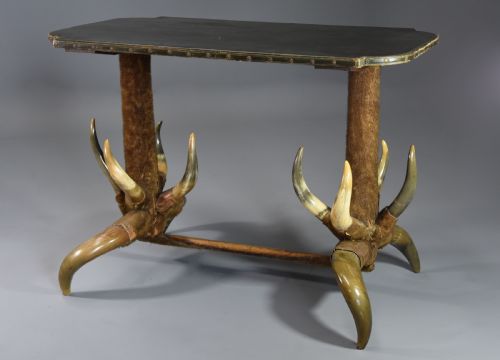
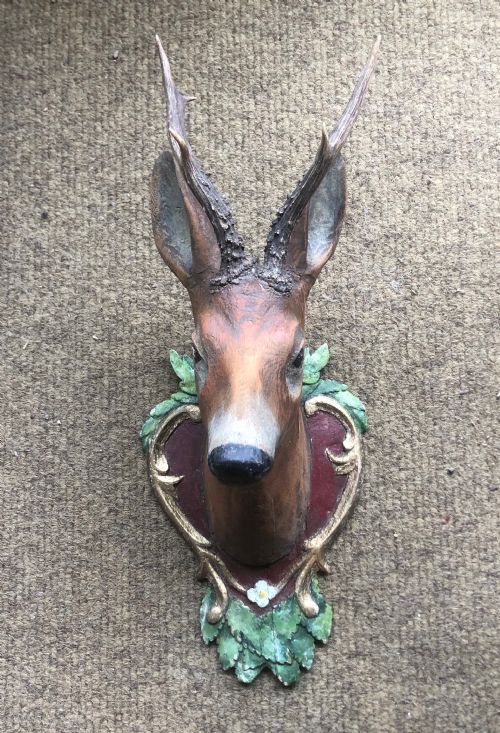
Wall trophies incorporate carved oak shields and wooden backings to support heavy antlers and horns, secured with metal fixings. Furniture pieces integrate natural bone, antler, and ebonised wood alongside traditional cabinet-making techniques.
Interior settings often relied on natural elements such as moss, twigs, and painted backgrounds to recreate native habitats within glass cases. These dioramas required precise taxidermy skills to arrange complex groupings of mixed birds and mammals.
19th Century Taxidermy Retail Price Guide 2026
Typical asking prices for 19th century taxidermy among the pieces listed under this phrase on Sellingantiques today, from the lower quarter to the upper quarter. They describe what is for sale here now, not the wider market.
Historical records show Lord Walter Rothschild posing comfortably beside a large stuffed bear.
Assessing quality in historical specimens
Quality rests upon the anatomical accuracy and natural posture achieved by the taxidermist, reflecting the skill of workshops like James Gardner or local practitioners such as J Griffiths. Superior examples retain lifelike proportions and realistic facial expressions without distortion.
The condition and originality of the housing significantly affect the standing of a piece, particularly intact glass domes, original oak shields, and unaltered ebonised wood frames. Finer specimens maintain their original habitat materials, such as moss and painted backdrops, without extensive restoration.
The provenance and complexity of the arrangement elevate certain pieces, from simple single specimens to elaborate multi-species cases featuring exotic birds from South America, Australia, and New Guinea.
J Griffiths of Burford·James Gardner
The 19th Century Taxidermy Glossary
- Taxidermy
- The art of preparing, stuffing, and mounting the skins of animals for display. This practice reached a peak of popularity during the Victorian era for scientific study and interior decoration.
- Glass Dome
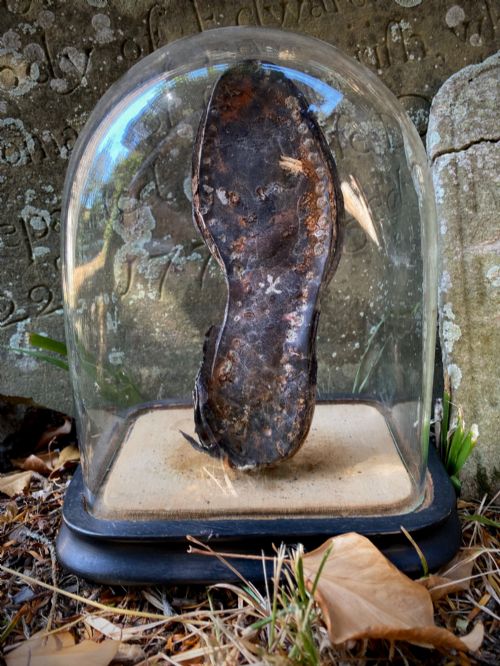
- A blown glass cover placed over a circular wooden base to protect delicate preserved specimens. These covers kept dust away from mounted birds and butterflies.
- Trophy
- An animal head, horns, or skin mounted to commemorate a hunt. These items were frequently displayed on carved wooden shields in halls and libraries.
- Ebonised Wood
- Timber treated with a dark stain or finish to imitate ebony. This material was commonly used for frames and furniture supports in the nineteenth century.
- Folk Art
- Utilitarian or decorative objects made by traditional craftsmen rather than professional studios. Swedish painted deer figures exemplify this regional approach.
19th Century Taxidermy: Frequently Asked Questions
Where were these pieces displayed originally?
Victorian households placed glass domes on mantelpieces, side tables, and cabinets in drawing rooms. Wall trophies and racks hung in entrance halls, studies, and smoking rooms.
Public interest in natural history also led to specimens being housed in institutional cabinets and private collector rooms.
How can I tell the period of a taxidermy piece?
Examine the mounting materials, construction techniques, and framing hardware for nineteenth-century characteristics. Hand-blown glass domes and specific taxidermy styles often indicate Victorian origins.
Documentation, maker labels under bases, and traditional taxidermy methods help narrow down the decade of creation.
What is the difference between cased specimens and wall trophies?
Cased specimens involve complete birds or small animals arranged in naturalistic dioramas protected by glass. These were designed for tabletop display and close examination.
Wall trophies consist of heads, horns, or antlers mounted on wooden shields to hang on vertical surfaces. They served primarily as decorative architectural elements in large rooms.