




Brown Deer Taxidermy
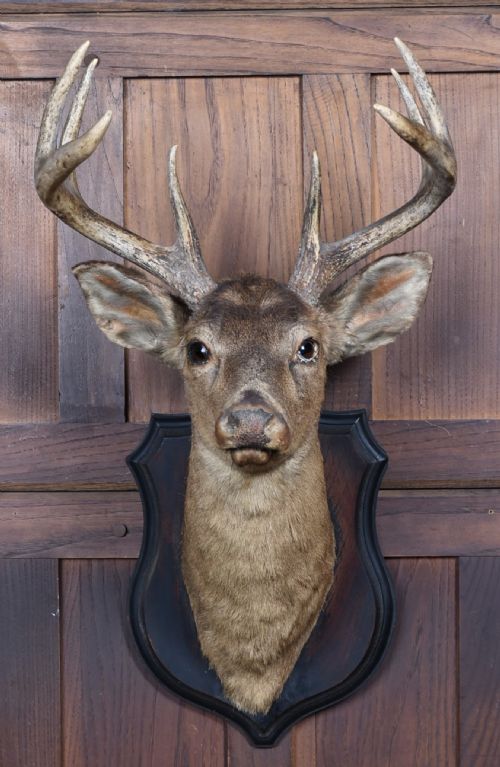
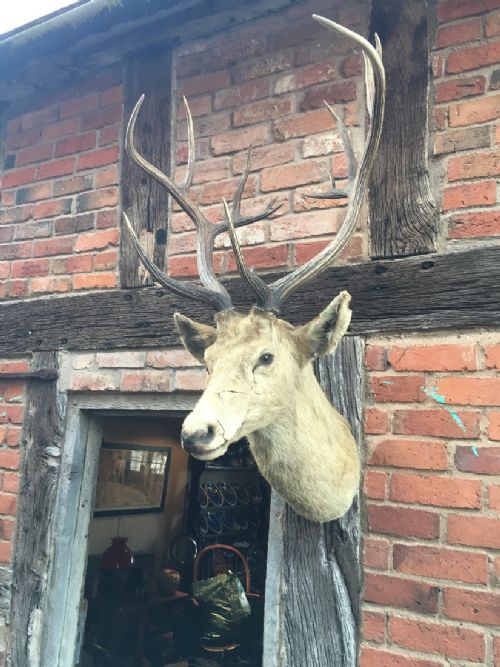
Brown deer taxidermy brings the weight of the forest inside, offering substantial stags, roebucks and antler pieces ready for your walls and floors.
Brown Deer Taxidermy
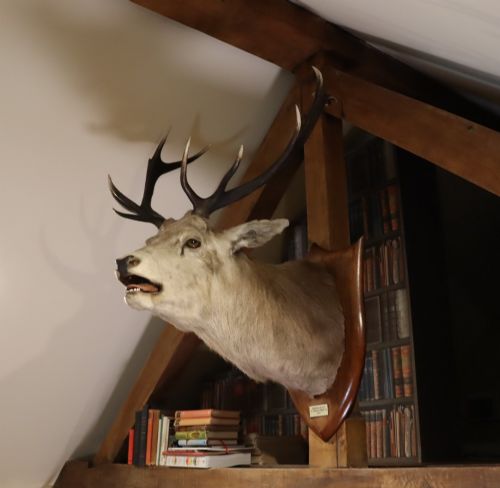
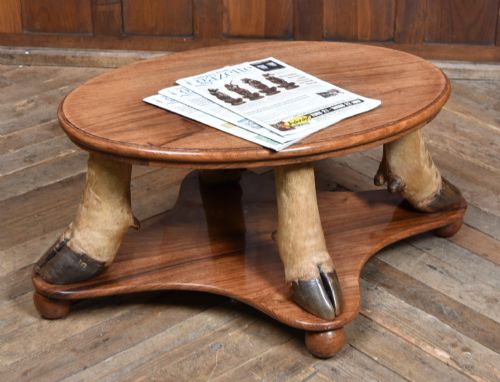
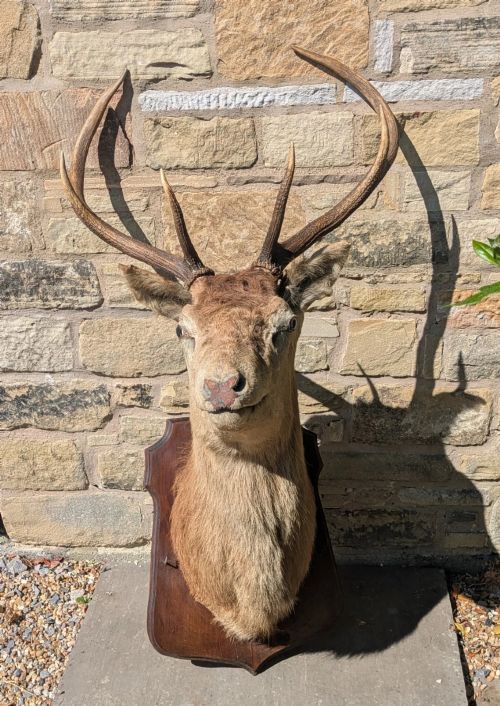
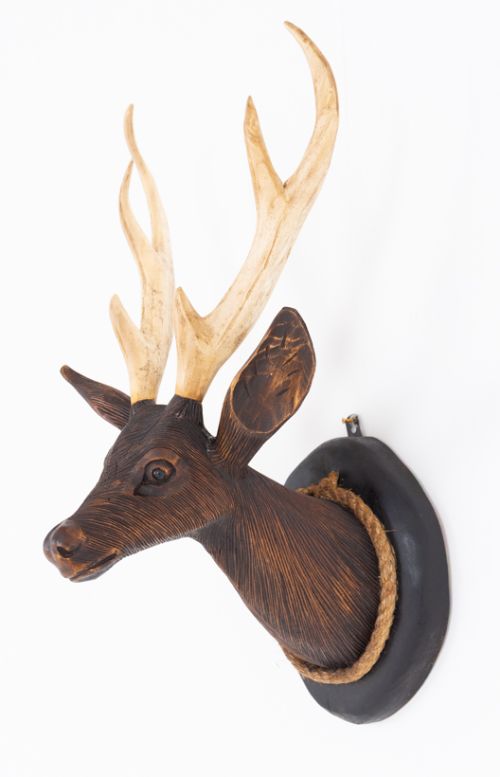
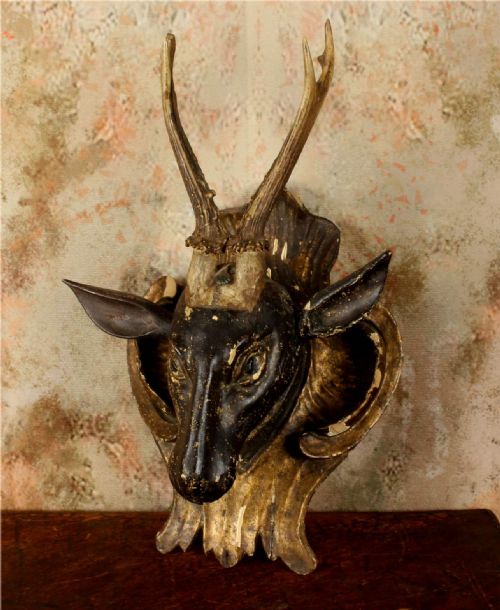
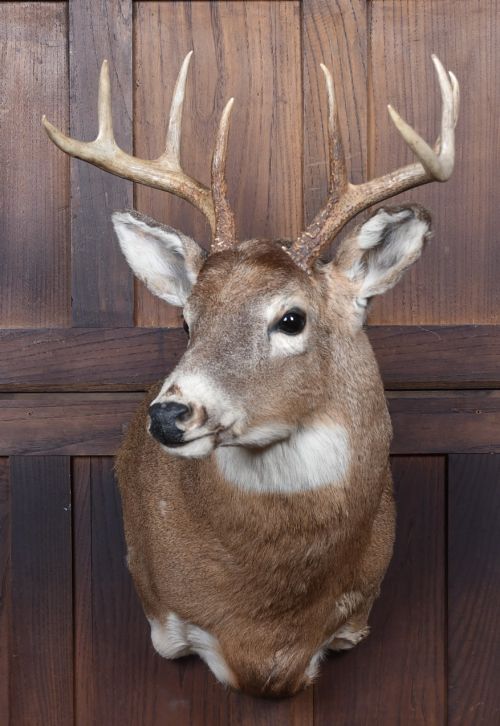
When you search for brown deer taxidermy, you encounter historical mounts and carvings that capture the animal form through preserved hides, antlers and sculpted wood. The selections here range from nineteenth century stags heads and roebucks on shields to carved oak hall racks and coffee tables.
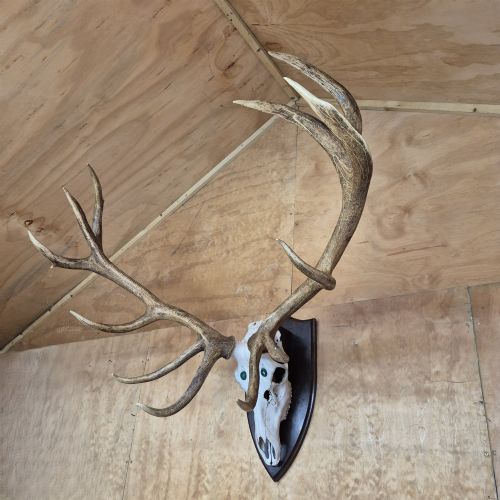
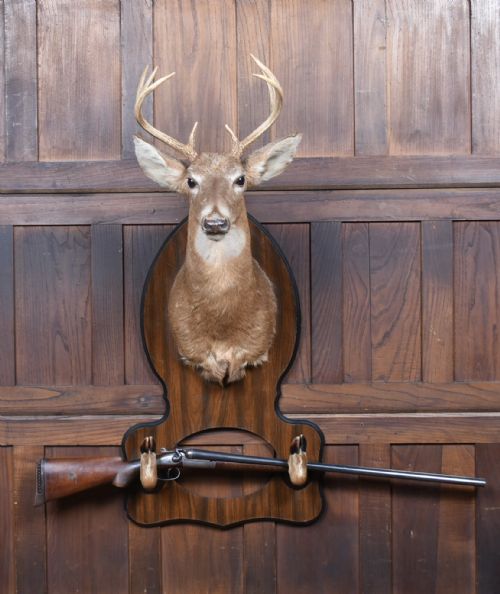
You are most likely to meet wall mounted red stag and whitetail heads alongside antler trophies and practical furnishings. These items stem from periods including the Victorian era, the Edwardian years and the early twentieth century, spanning Black Forest and Highland lodge traditions.
How they were made
Makers utilised real hide, bone and taxidermy hooves mounted upon wooden shields or carved oak backing boards. Antlers of various points, from eight point whitetails to twelve point royal sets, form the prominent focal points of these preserved specimens.
Craftsmen applied wood carving techniques to create Black Forest style plaques and folk art frames. Glass eyes and traditional taxidermy preservation methods complete the lifelike presentation of the heads and wall sculptures.
Brown Deer Taxidermy Retail Price Guide 2026
Typical asking prices for brown deer taxidermy among the pieces listed under this phrase on Sellingantiques today, from the lower quarter to the upper quarter. They describe what is for sale here now, not the wider market.
What varies in quality
The standard of taxidermy work dictates the lifelike posture and expression preserved in the stag or roebuck head. Superior mounts maintain anatomical proportion and natural hide condition over decades.
The intricacy of the carved wood shield or oak backing elevates certain pieces above standard wall mounts. Furniture items like coffee tables and hall racks depend on the sturdiness of the combined antler and wood construction.
The Brown Deer Taxidermy Glossary
- Taxidermy
- The art of preserving and mounting animal skins to represent the living form. This practice creates the realistic animal heads and wall mounts found in historical lodges.
- Antler
- The bony growth shed and regrown by deer annually, featuring distinct points. These are measured and mounted as trophies or utilised in furniture and racks.
- Black Forest style
- A nineteenth century carving tradition originating in central Europe. It is characterised by deeply carved naturalistic foliage, animals and woodland motifs.
- Folk art
- Utilitarian or decorative objects created by self-taught makers using traditional local materials. Examples include carved wooden deer heads and painted folk art figures.
- Shield
- The wooden backing board shaped like a heraldic shield upon which animal heads and antlers are mounted. These are frequently carved from oak.
Brown Deer Taxidermy: Frequently Asked Questions
What periods do these pieces come from?
The pieces span the nineteenth century, the Edwardian period, and into the nineteen thirties. Victorian and Edwardian examples often reflect Highland hunting traditions and ornate Black Forest carving styles.
Earlier nineteenth century items demonstrate traditional folk art approaches to preservation and mounting. Later twentieth century pieces maintain similar woodland and lodge aesthetics.
How should I clean taxidermy hair?
Maintain the hide and hair by gently dusting with a soft, clean brush or using a low suction vacuum attachment. Avoid chemical cleaners, water or excessive handling, which can damage the preserved skin.
Keep mounts away from direct sunlight and heat sources to prevent the fur and hide from drying out or fading over time.
What is an antler point count?
The point count refers to the individual tips on the deer antlers, such as an eight point whitetail or twelve point royal red deer set. Collectors use these counts to describe the size and maturity of the antlers.
More points generally indicate older animals and larger spreads, which were highly prized in nineteenth century hunting lodges.