


Hunting Trophy Mount
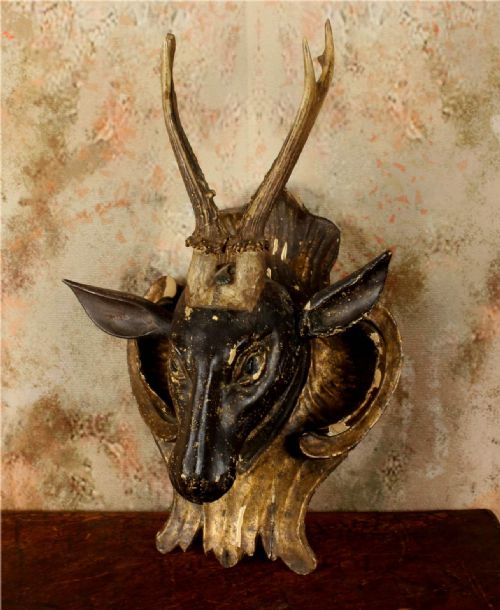
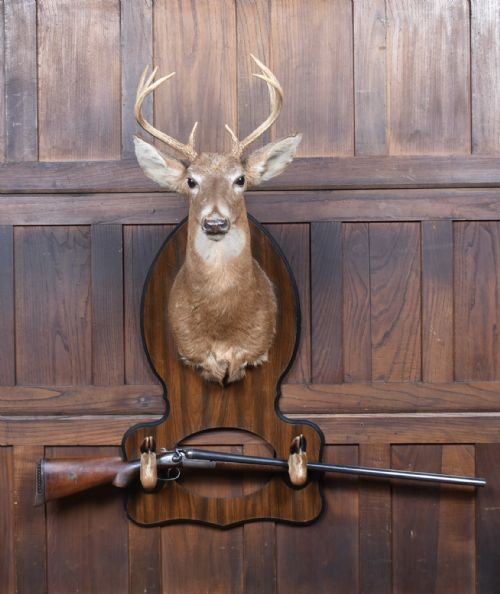
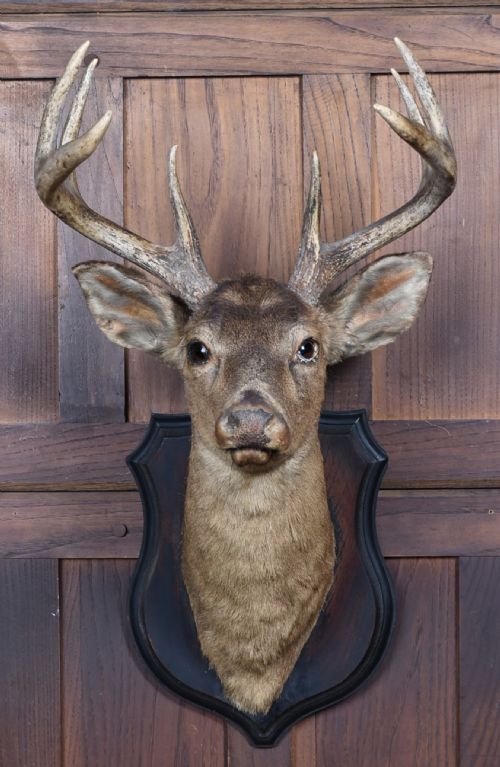
A hunting trophy mount is a preserved animal head, horns, or antlers fixed for display, desired for bringing rugged sporting character to a room.
Hunting Trophy Mount
A hunting trophy mount brings domestic architectural display to preserved fauna, focusing heavily on deer, stags, and various horned or antlered game. Buyers searching for a hunting trophy mount encounter a variety of forms ranging from grand wall-hung stags heads to compact table lamps and inkwells.
The pieces on this page span the Victorian, Edwardian, and Highland Lodge traditions, reflecting British sporting heritage from the nineteenth and twentieth centuries. Origins include traditional British sporting contexts, Black Forest workshops, and folk art interpretations of natural history.
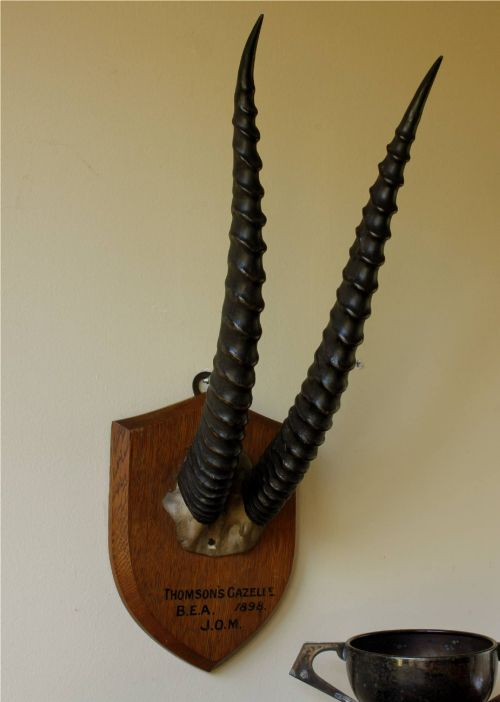
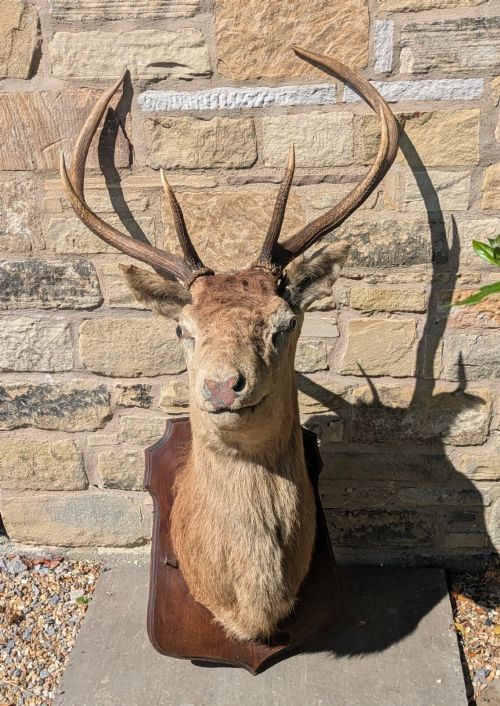
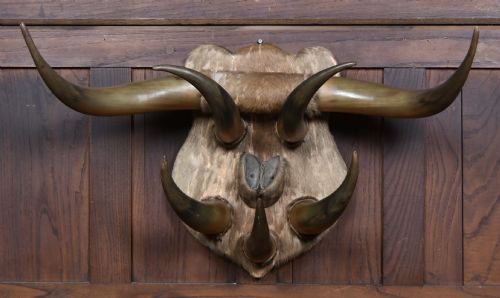
Wall sculptures and taxidermy mounts dominate the selection, often featuring species such as red deer, roe deer, whitetail, and exotic antelopes like Thomson's gazelle and koodoo. Simpler arrangements of cattle, buffalo, and ram horns mounted on carved wooden shields or brass also appear frequently.
Materials and construction
Taxidermy mounts and wall sculptures rely on natural hide, bone, and taxidermy hide stretched and preserved over carved wooden forms or plaster cores. Antlers and horns are secured directly to wooden shields, oak mounts, or carved wooden plaques.
Among the sporting gear, a sharp-eyed fox hound named Dairy Maid looks out eternally from her Victorian taxidermy mount.
Assessing quality in mounts
Quality rests upon the naturalism of the taxidermy work and the symmetry or scale of the antlers, such as multi-point stags and complex horn arrangements. Renowned taxidermists achieve lifelike expressions and precise anatomical proportions that elevate a piece far above standard workshop output.
The selection of supporting materials - such as solid carved oak shields, finely turned brass mounts, and well-preserved natural hides - determines the durability and finish of the object. Superior craftsmanship is evident in the secure joining of heavy horns to carved wooden bases and the careful preservation of hair and hide over decades.
Peter Spicer and Sons·Peter Spicer
The Hunting Trophy Mount Glossary
- Antler
- The bony, branching growth shed and regrown annually by members of the deer family. Stags and bucks display these as prominent wall trophies.
- Shield
- A shaped wooden plaque, often carved, used as a backing board to mount horns, antlers, or animal heads securely to a wall. Oak is a common material for these supports.
- Folk art
- Utilitarian or decorative objects created by self-taught or local artisans using traditional methods. These pieces often interpret natural forms with distinct regional character.
Hunting Trophy Mount: Frequently Asked Questions
What is a Royal set of antlers?
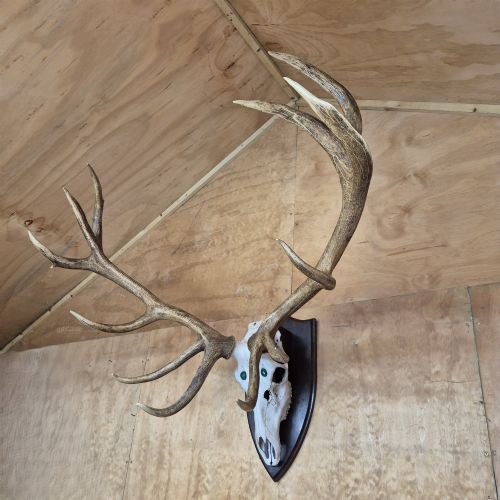
A Royal designation refers to a red deer stag set featuring twelve distinct points on the antlers. This term denotes a mature animal with a well-developed spread.
Such pieces are typically displayed on large carved wooden shields in Highland Lodge or traditional sporting interiors.
How should I clean natural hide and horns?
Dust taxidermy hide and mounted horns gently with a soft, dry brush to prevent the accumulation of dirt between hairs. Avoid using liquid cleaners or water on historic hides and taxidermy preparations.
Keep pieces away from direct sunlight and excessive heat sources to prevent the natural materials from drying out or cracking.
How do I date a Victorian mounted trophy?
Victorian pieces often feature specific mounting styles, such as heavy oak shields, turned brass brackets, and traditional taxidermy techniques from the nineteenth century. Examining the backing materials and any maker inscriptions helps establish the period.
Documentation or taxidermist labels attached to the reverse of the wooden mount frequently provide precise dates and workshop locations.