



Antique Taxidermy Antlers
Antique taxidermy antlers bring the raw power of the nineteenth-century wilderness directly into the room, offering an imposing focal point for any interior.
Antique Taxidermy Antlers
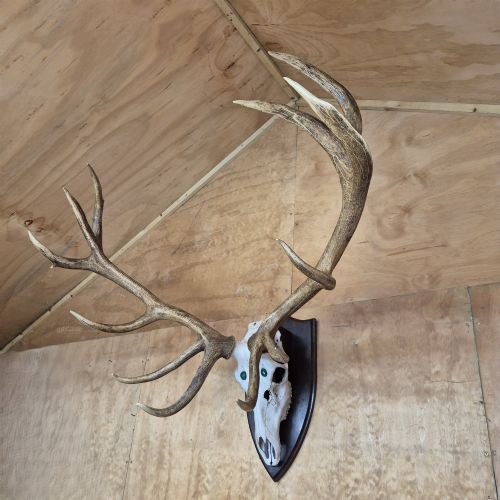
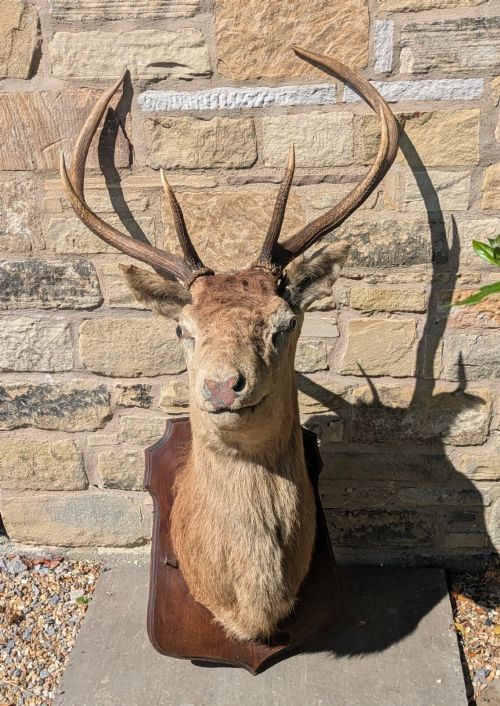
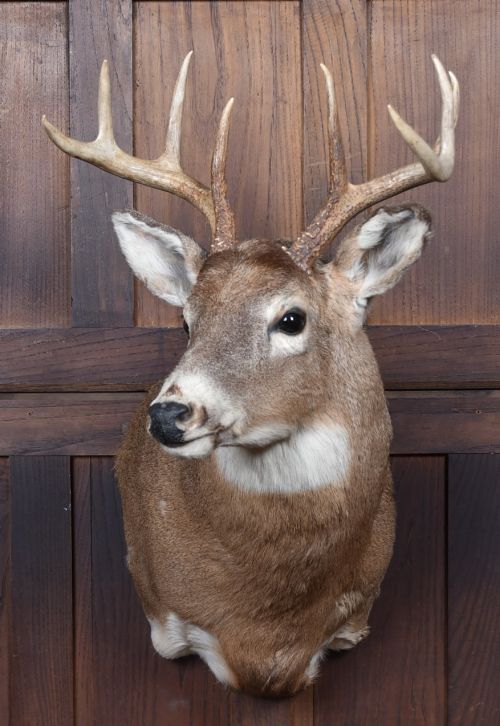
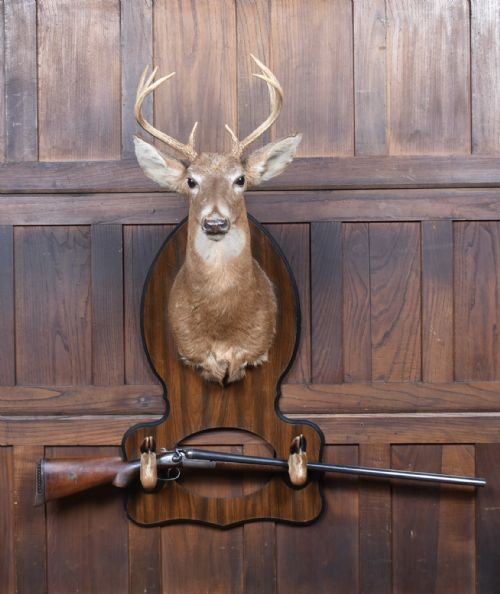
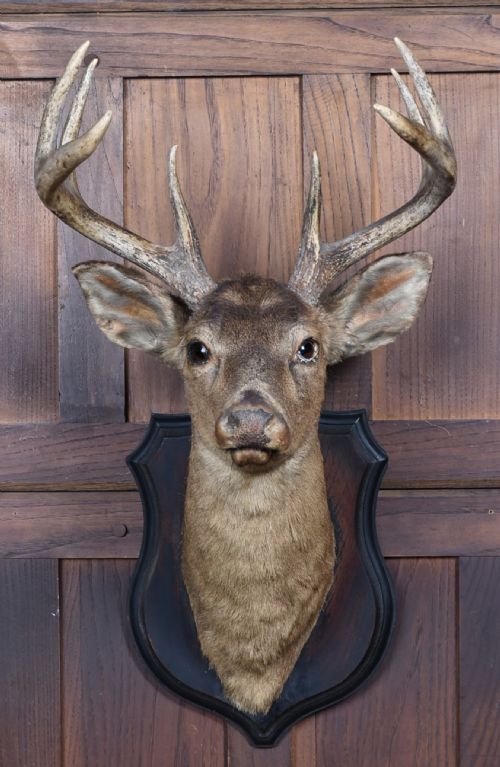
When you search for antique taxidermy antlers, you encounter a striking array of wall mounts, full heads, and functional pieces dating from the nineteenth century onward. These items range from simple white-tailed deer and roebuck mounts to grand red stag heads and substantial waterbuck trophies.
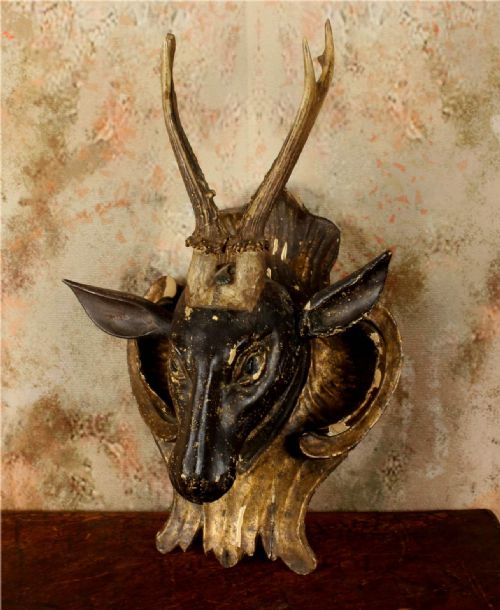
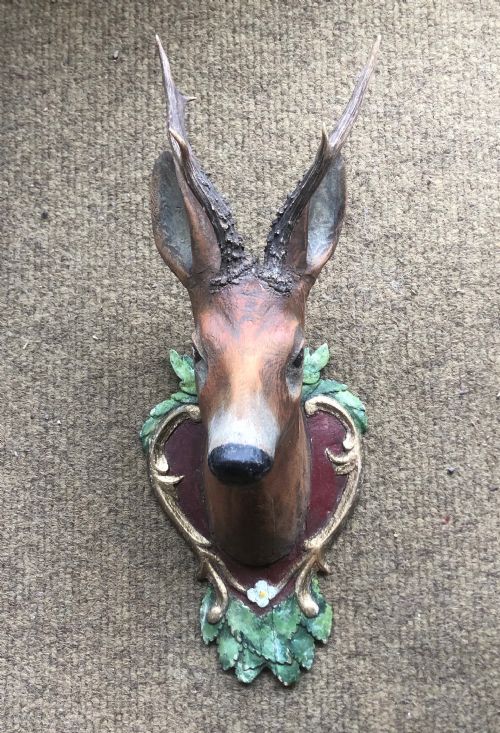
The pieces on this page lean heavily into Victorian and Highland traditional aesthetics, often supplied with carved wooden shields or natural hide elements. You frequently meet regional variations, including Black Forest carvings and Swedish folk art interpretations, which broaden the scope beyond standard sporting trophies.
Materials and Construction
Makers of these pieces relied primarily on natural antler, bone, and horn, mounted securely onto carved wood shields or backing boards. Oak and pine served as the standard foundations, shaped by hand to frame the skull plates and crania of the animals.
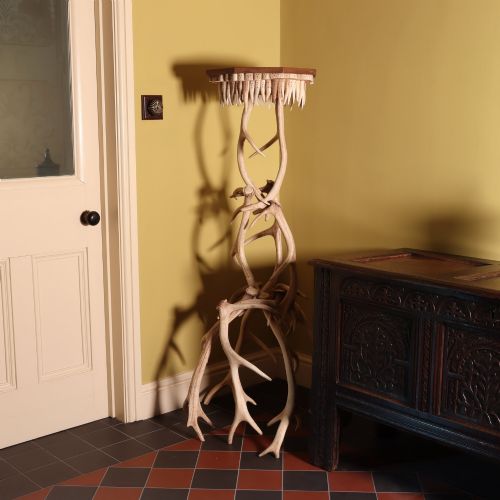
Artisans integrated secondary materials such as glass for taxidermy eyes, paint for folk art detailing, and occasional metal fittings for torchiere floor stands. The preservation process depended on traditional taxidermy methods of the period, securing the hide and skull to sturdy wooden structures.
One exceptional nineteenth-century piece repurposes majestic natural antlers into a functional standing lamp to illuminate the parlour.
Markers of Quality
The calibre of a mounted animal depends significantly on the symmetry and point count of the antlers, alongside the taxidermist's skill in rendering a lifelike expression. Superior specimens display well-balanced racks and careful anatomical proportion in the preserved head.
Quality also rests in the execution of the supporting woodwork, where hand-carved oak shields or intricate Black Forest foliage carvings elevate a standard trophy into a work of folk art. Pieces showing integrated utility, such as antler torchieres, demonstrate greater complexity in their construction.
The Antique Taxidermy Antlers Glossary
- Antler
- A bony appendage shed and regrown annually by members of the deer family, utilised in these pieces for display and furnishing.
- Taxidermy mount
- The art of preserving and displaying an animal's head and neck to create a lifelike representation for interior display.
- Shield
- A shaped wooden plaque, frequently carved with oak leaves or traditional motifs, used to mount and display animal heads.
- Black Forest
- A style of intricate wood carving originating from the German region, often featuring naturalistic forest themes and wildlife.
- Torchiere
- A tall standing floor lamp, adapted in these listings to incorporate natural antler and horn structures.
Antique Taxidermy Antlers: Frequently Asked Questions
Are these mounts from the Victorian era?
The listings span from the early nineteenth century through to the 1930s, with a strong representation of Victorian and Edwardian pieces. Styles range from formal Highland hunting lodge trophies to rustic folk art.
Examine the construction of the wooden backing board and the style of the taxidermy work to gauge the approximate period. Documentation or stamps on the reverse occasionally provide precise dates.
How do I clean antique antlers?
Dust the antlers and mounted hair gently with a soft, dry brush or a feather duster on a regular basis. Avoid using water, chemical sprays, or liquid polish on the bone and hide.
Excess moisture damages historical taxidermy and can discolour the natural materials. Professional conservators should handle any deep cleaning requirements.
What is a royal set of antlers?
A royal designation refers to a red deer stag antler rack featuring twelve distinct points on the beams. These larger trophies reflect mature animals from significant historic hunts.
Such pieces command attention due to their impressive physical span and symmetry. They formed a staple of grand Victorian and Edwardian interior decoration.