




Hunting Lodge Wall Decor
These hunting lodge wall decor pieces bring the heavy atmosphere of the Victorian sporting estate straight into your room.
Hunting Lodge Wall Decor
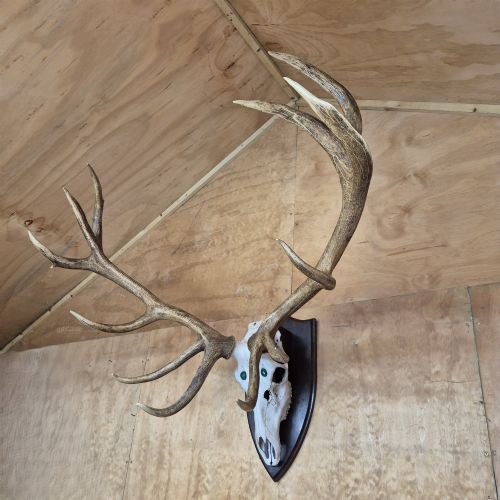
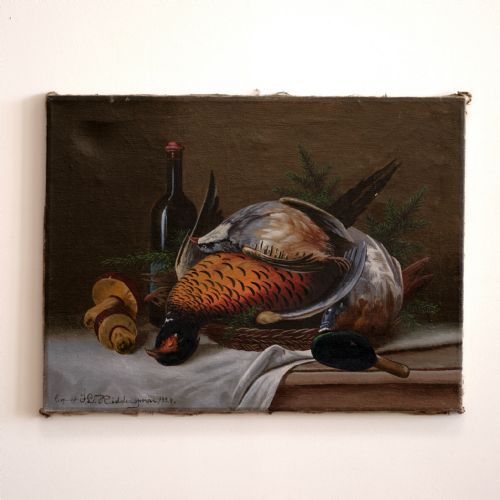
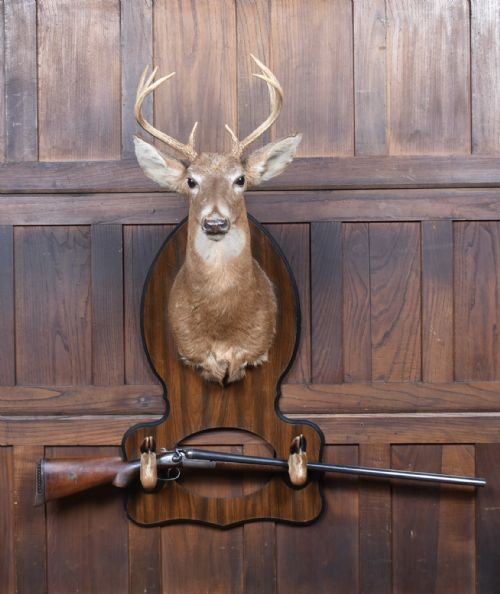
When you search for hunting lodge wall decor, you find heavy architectural elements and rustic trophies meant for large rooms. These pieces include taxidermy mounts, oil paintings, carved wood panels, and functional barometers designed for country houses.
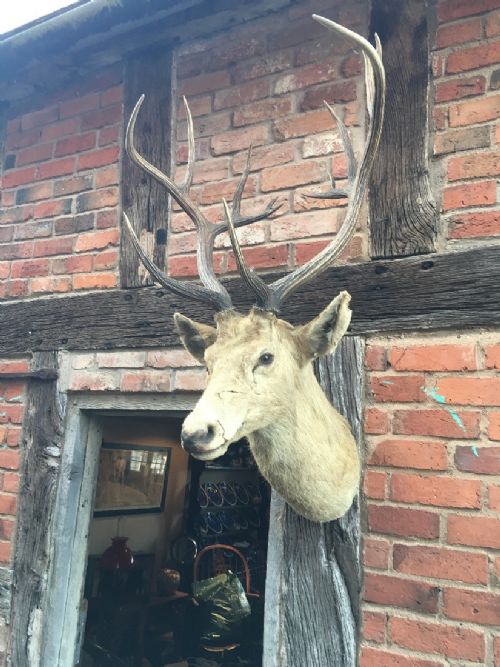
You are most likely to meet Victorian and early twentieth-century examples on this page. The selection leans heavily towards stags' heads, antler arrangements, and carved oak panels reflecting Highland sporting traditions.
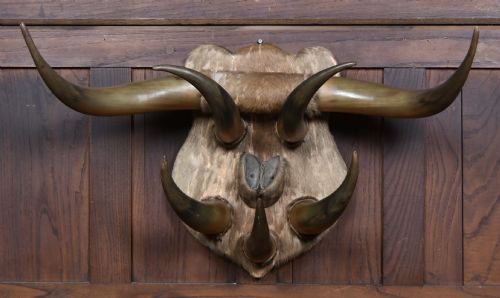
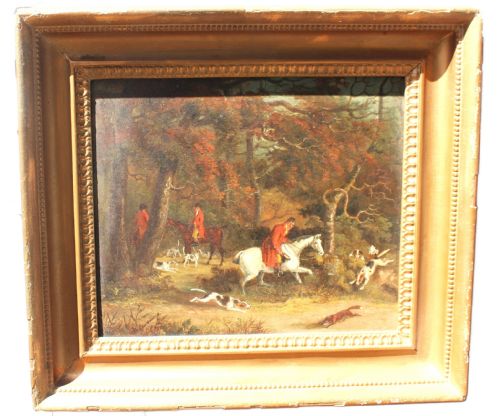
The forms range from simple mounted horns to large oil paintings on canvas depicting fox hunting scenes. Each item serves to fill a large wall space with traditional country house character.
Materials and construction
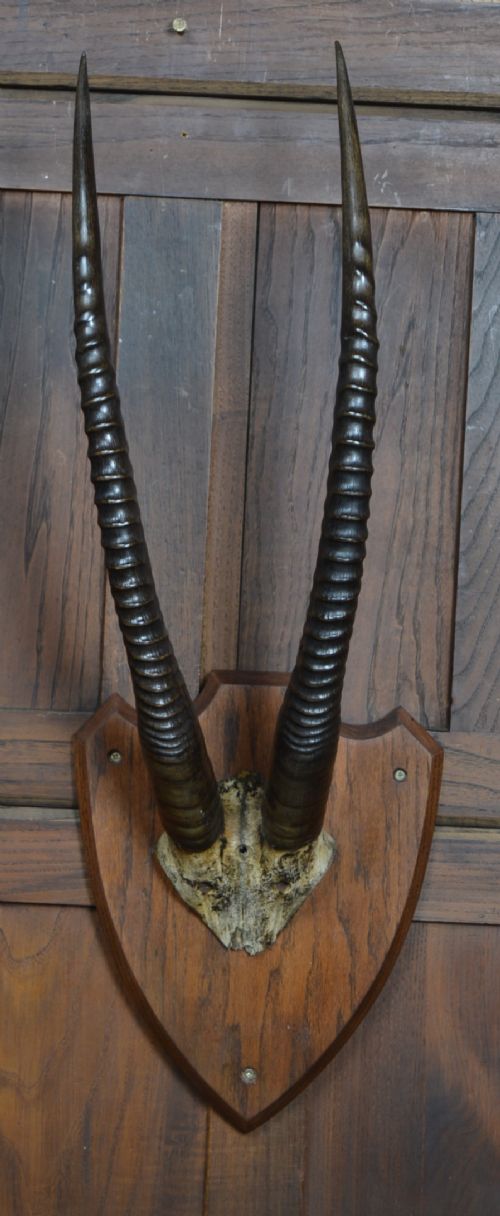
The physical build relies heavily on natural materials like antler, bone, horn, and various woods, particularly oak. Taxidermy mounts use real animal remains combined with carved wooden shields for wall hanging.
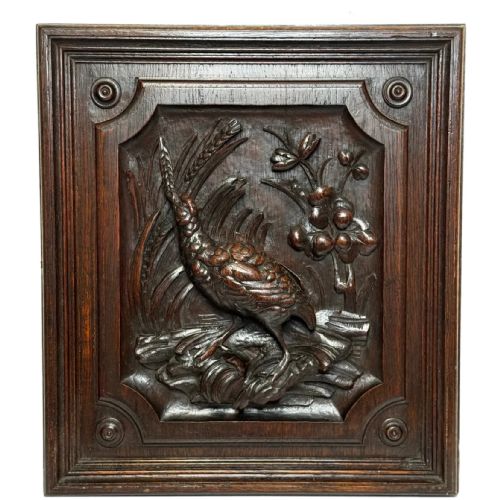
Carved wood panels show deep relief work in tiger oak and standard oak, often utilising Gothic Revival or Black Forest design motifs. Oil paintings use traditional oil paint on canvas stretched over wooden frames.
Barometers integrate carved wood cases with glass faces and internal mechanical instruments. Horns and hooves are polished and mounted onto wooden backings using metal screws and brackets.
Hunting Lodge Wall Decor Retail Price Guide 2026
Typical asking prices for hunting lodge wall decor among the pieces listed under this phrase on Sellingantiques today, from the lower quarter to the upper quarter. They describe what is for sale here now, not the wider market.
Every twelve-point stag proudly wears an informal crown of bone that once navigated the misty undergrowth of an early twentieth-century forest.
What separates the best pieces
Quality rests on the depth and skill of the wood carving, especially on Black Forest and Pugin design panels where crisp details define the best work. Simple machine-cut boards sit far below hand-carved oak sculptures in standard.
Taxidermy standards depend on the anatomical accuracy of the mount and the preservation state of the antlers or horns. Large stags' heads with full point counts command greater presence than smaller, plainer mounts.
Painting quality shows in the brushwork and composition of the canvas, distinguishing competent sporting art from hurried decorative copies. Original framing and undisturbed patination across the wood and bone enhance the integrity of each piece.
The Hunting Lodge Wall Decor Glossary
- Taxidermy
- The art of preparing, stuffing, and mounting the skins of animals for display. This technique creates the stags' heads and deer mounts found on hunting lodge walls.
- Black Forest
- A style of ornate wood carving originating from the German region, known for realistic animal and foliage motifs. These carvings often form the decorative panels and barometers in sporting interiors.
- Pugin Design
- An architectural and decorative style inspired by Gothic Revival principles championed by Augustus Pugin. This style appears in the heavy, geometric carved oak panels.
- Barometer
- A scientific instrument used for measuring atmospheric pressure to forecast weather. In lodge decor, these instruments feature heavily carved wooden housings.
- Sporting Art
- Artwork depicting field sports, game animals, and hunting scenes. These oil paintings on canvas capture nineteenth-century rural traditions.
Hunting Lodge Wall Decor: Frequently Asked Questions
Where should I place these pieces in a modern home?
These items suit large wall spaces in hallways, studies, or living rooms where their scale can anchor the room. Pair them with neutral walls to let the dark oak and natural horn tones stand out clearly.
Keep taxidermy and oil paintings away from direct sunlight and sudden temperature changes to protect the materials.
How do I clean carved oak panels?
Dust carved oak panels regularly with a soft, dry brush to prevent dirt settling into the deep recesses of the relief work. Avoid using wet cloths or modern chemical polishes which can damage the aged timber finish.
An occasional application of traditional beeswax helps nourish the antique wood without leaving a sticky residue.
What is the difference between Black Forest and Gothic Revival carvings?
Black Forest carvings focus on naturalistic representations of animals, foliage, and rustic forest scenes executed in deep relief. Gothic Revival pieces, such as Pugin designs, use strict architectural geometry, pointed arches, and medieval motifs.
Both styles utilise dark oak but serve different aesthetic roles within a traditional interior.