



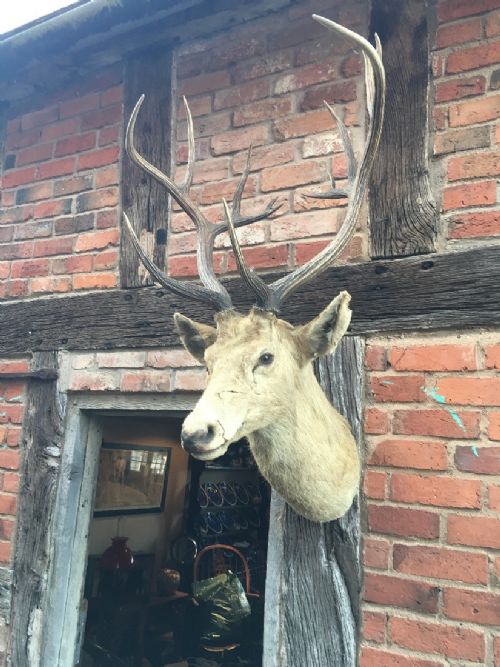
Taxidermy Deer Head
These taxidermy deer head mounts bring the spirit of the nineteenth and early twentieth century lodge into modern rooms.
Taxidermy Deer Head
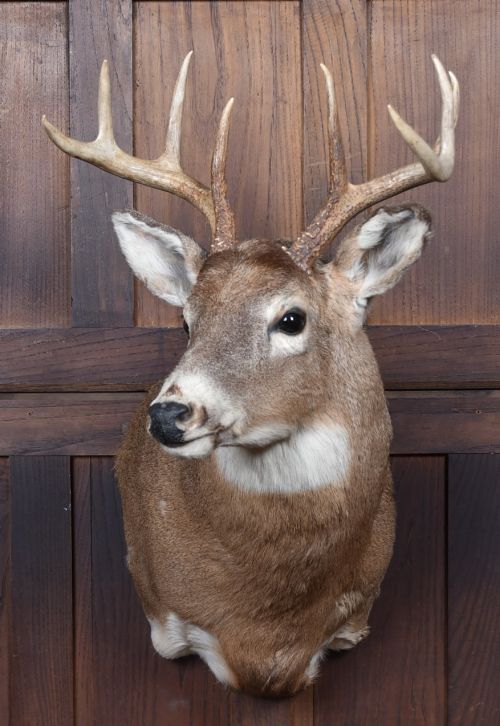
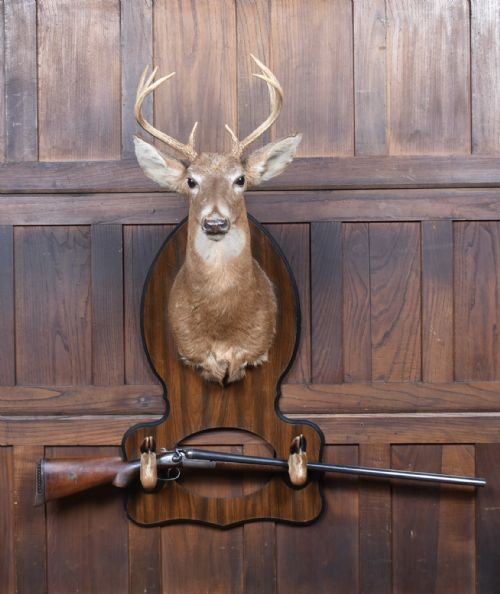
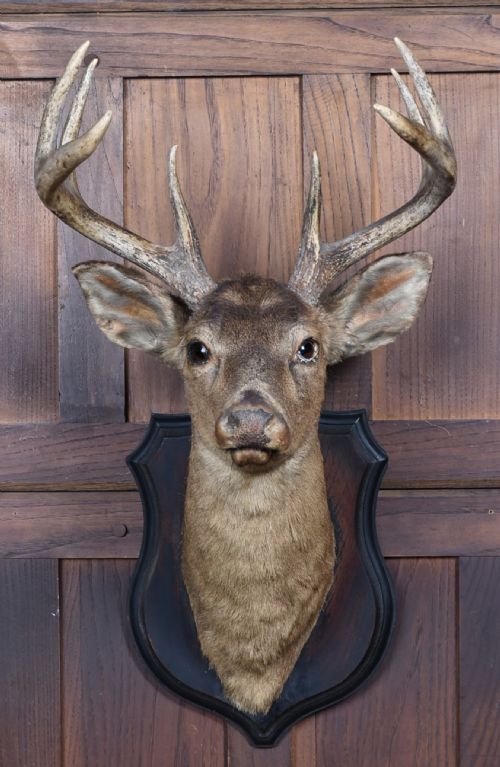
A taxidermy deer head brings preserved nature and traditional craft directly onto the wall as a striking sculptural piece. When exploring taxidermy deer head listings, buyers encounter various forms ranging from naturalistic hides with glass eyes to fully carved wooden interpretations.
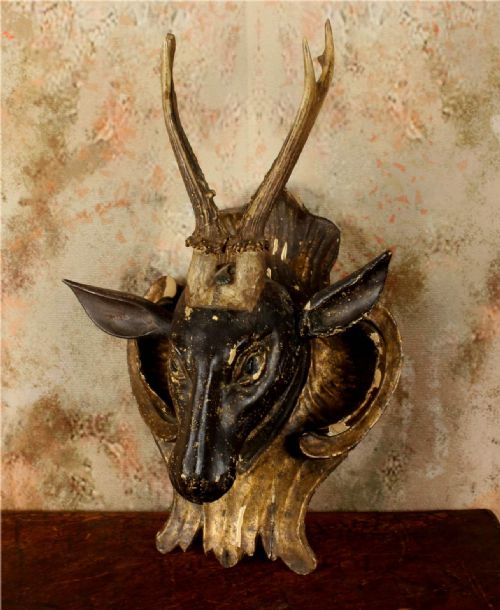
The selections span distinct historical periods including Victorian and Edwardian eras, alongside regional aesthetic movements like Black Forest and Highland traditional. Most examples appear mounted upon carved wood shields or oak plaques designed for domestic display.
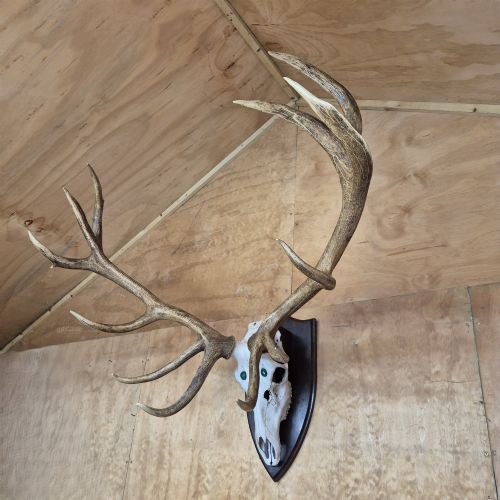
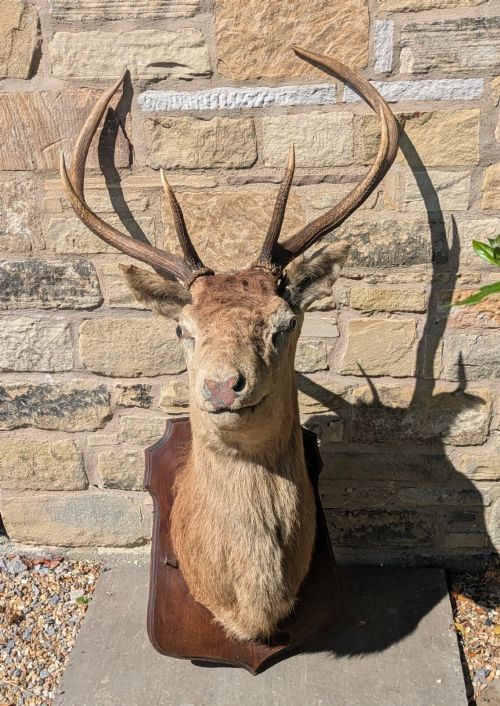
Objects vary from roe deer and fallow deer to impressive red stag trophies bearing substantial antler spreads. These pieces function primarily as wall sculptures and wall decor, reflecting historical hunting culture and domestic interior design.
How they were made
Taxidermists utilised preserved animal hide stretched over forms, integrating glass eyes to achieve a lifelike presence. Antlers, whether original bone or meticulously carved wood, attach firmly to oak or carved wooden shields.
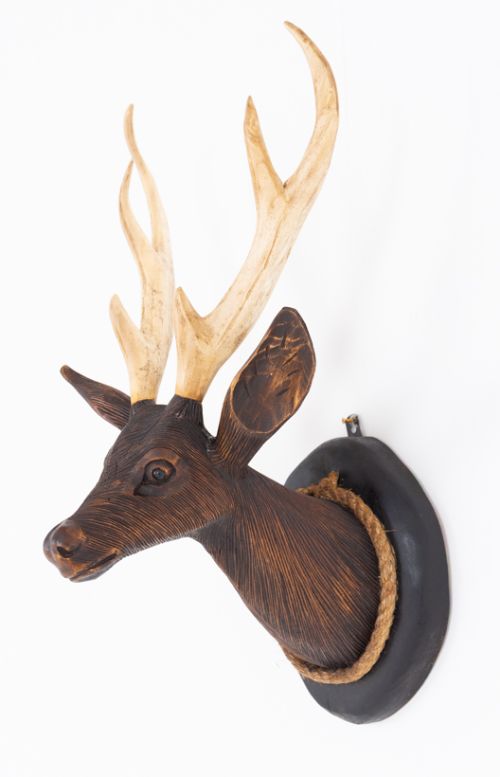
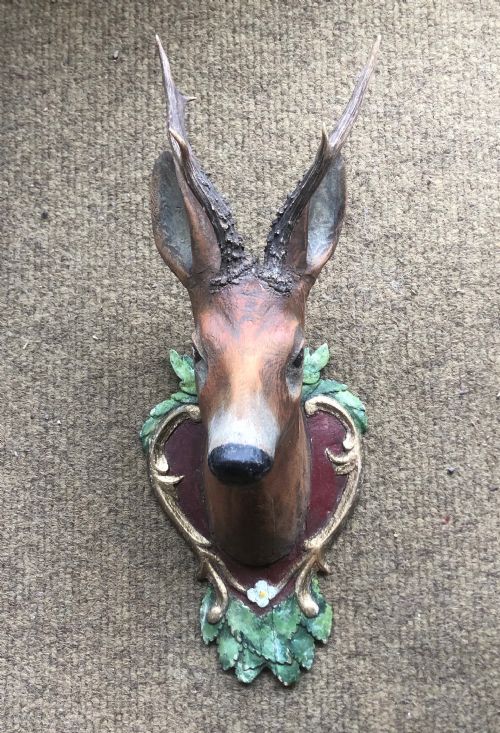
Certain folk art pieces rely entirely on hand carving, utilising painted wood rather than preserved animal skin. Artisans applied paint finishes to wooden shields and carved elements to enhance grain and depth.
Listings feature oak mounts, carved wood, and glass elements across nineteenth and twentieth century periods.
What varies in quality
Naturalism in taxidermy preparation dictates the presence and posture of the animal, separating standard mounts from exceptional sculptural interpretations. The anatomy of the head and the symmetry of the antlers define the visual impact of the piece.
The execution of the wooden backing shield influences the overall character, ranging from plain boards to deeply carved foliage motifs. Preservation of the hide, fur and glass eyes determines the enduring visual clarity of the mount.
Deyrolle of Paris
The Taxidermy Deer Head Glossary
- Antler
- The bony growth shed and regrown annually by deer, forming the primary focal point of most trophies. Larger sets often feature multiple points.
- Shield
- The carved wooden plaque or board upon which the animal head mounts for wall display. Oak and other timbers frequently provide this sturdy backing.
- Black Forest
- A nineteenth century decorative style originating in the mountainous region of central Europe, known for intricately carved wooden animals and foliage. Pieces often depict stags and natural forest themes.
- Folk Art
- Objects created by self-taught or traditional craftsmen using local materials rather than industrial methods. These items include carved wooden deer heads and painted interpretations.
- Taxidermy
- The art of preserving and mounting animal anatomy for display. Historical examples utilise traditional stuffing and mounting techniques upon wooden forms.
Taxidermy Deer Head: Frequently Asked Questions
How do I hang a heavy taxidermy deer head?
These wall sculptures require secure fixing into solid wall studs or appropriate masonry anchors due to their substantial wooden shields and antlers.
Weight distribution rests heavily on the upper mounting bracket, so checking the integrity of the wall fixture ensures safety.
What is the difference between red deer and roe deer?
Red deer represent the larger species with extensive antler points, frequently associated with Scottish highland lodges and impressive proportions.
Roe deer appear smaller and more compact, offering a subtle wall presence suited to more modest interior spaces.
Are carved wooden deer heads considered taxidermy?
Carved wooden examples function as sculptural folk art rather than preserved animal remains, despite serving the same decorative purpose on the wall.
Craftsmen shaped these items entirely from timber, sometimes incorporating actual antlers into the carved wooden head.
How do I clean historical taxidermy fur?
Gentle dusting with a soft brush maintains the condition of the preserved hide without disturbing delicate hair or historical materials.
Moisture and direct sunlight risk damaging both the hide and the original glass eyes over extended periods.