




Hunting Lodge Taxidermy
Hunting lodge taxidermy brings the rugged atmosphere of the great outdoors directly into your interior spaces with authentic historical animal mounts and furniture.
Hunting Lodge Taxidermy
Hunting lodge taxidermy encompasses traditional taxidermy mounts, antler furniture, and functional room accessories created to evoke a rustic sporting aesthetic. When you search for hunting lodge taxidermy, you encounter pieces designed for grand country houses and woodland retreats.
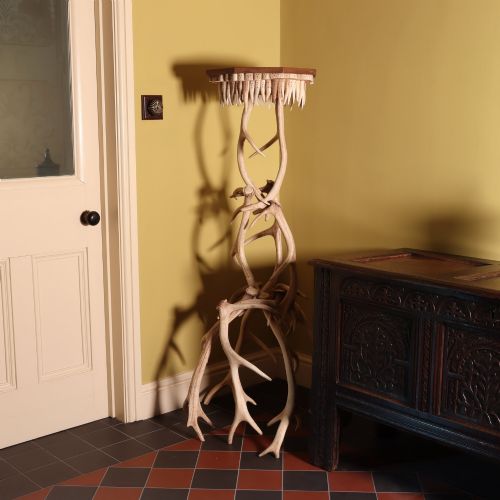
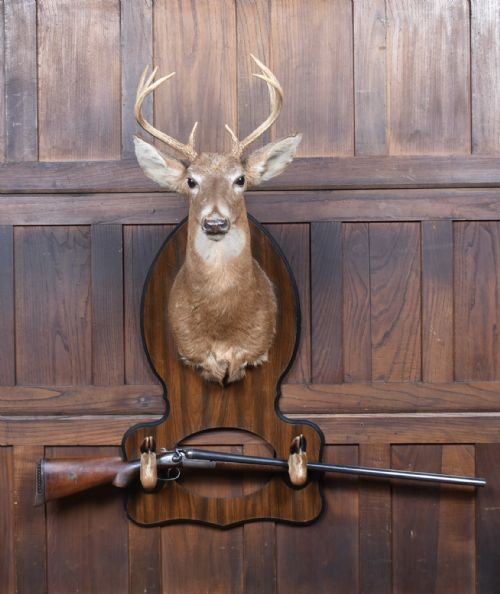
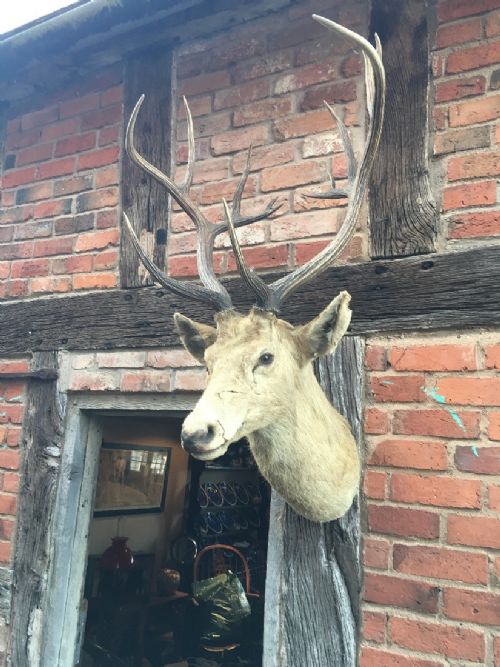
The selections on this page span several distinct periods including the 19th Century, Edwardian era, and the early decades of the twentieth century. Common forms range from stags heads and deer mounts to practical items such as coffee tables, hall racks, and wall mounts.
Stylistic influences lean heavily toward Victorian rustic, Highland traditional, and continental hunting traditions. These items served both utilitarian purposes and decorative displays in historical shooting boxes and rural estates.
Materials and construction methods
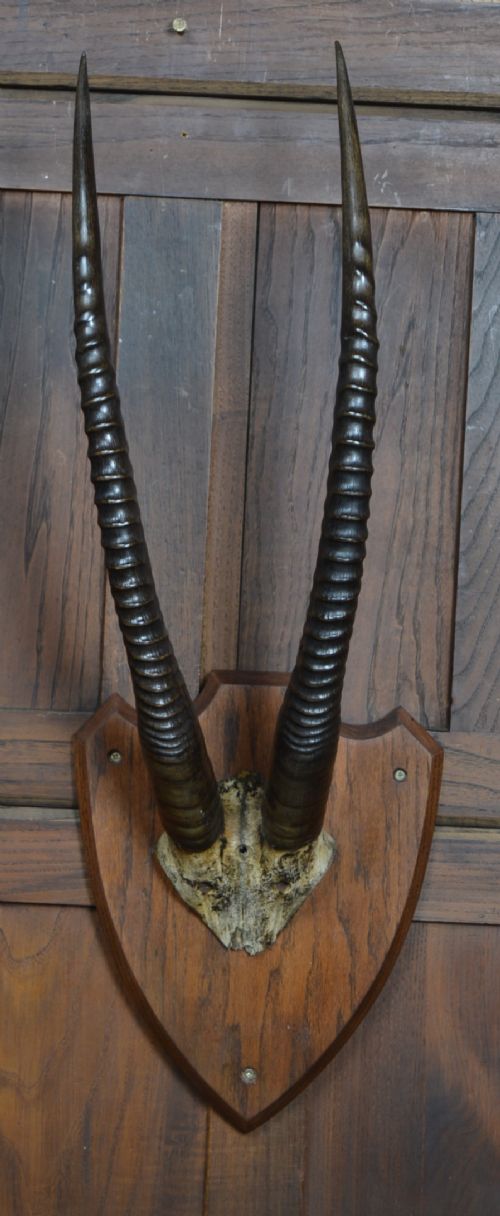
Makers utilised natural materials including wood, oak, hardwood, hide, bone, and glass alongside animal components such as antlers, hooves, and horns. Structural elements often involve carved wooden shields and sturdy table frames.
Taxidermy mounts required careful preservation of skins and pelts over formed armatures, while antler and horn furniture was assembled using traditional woodworking techniques to support heavy loads.
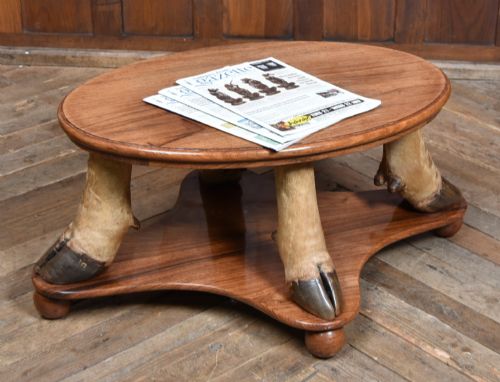
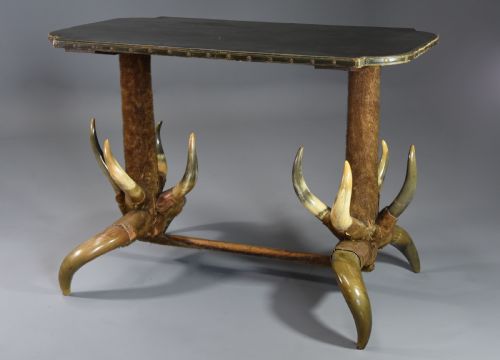
Several pieces creatively repurpose animal anatomy into functional household items, turning cow horns and deer hooves into tables and hall racks.
Judging quality and craftsmanship
Quality in hunting lodge taxidermy is determined by the anatomical accuracy of the taxidermy work and the stability of the structural woodwork. Superior examples retain natural posture and secure mounting on carved wooden supports.
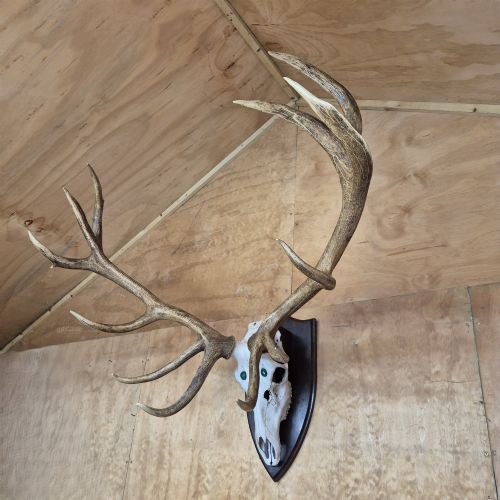
The complexity of the arrangement also dictates standard, with elaborate multi-horn tables and large red stag or whitetail deer heads representing higher levels of period craftsmanship compared to simple single horn displays.
Peter Spicer & Sons
The Hunting Lodge Taxidermy Glossary
- Taxidermy mount
- The preserved skin of an animal mounted over a lifelike form to simulate its appearance in life. This technique forms the basis of all animal display pieces.
- Antler torchiere
- A standing floor lamp or light standard constructed from shed or mounted deer antlers. These fixtures combine illumination with rustic decoration.
- Hall rack
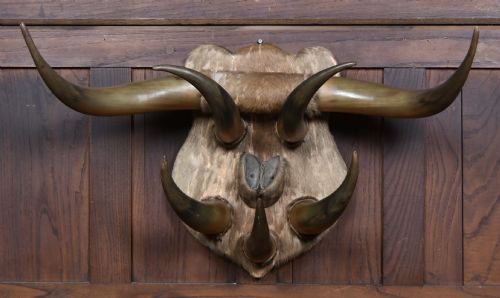
- A wall-mounted piece featuring hooks made from horns or antlers used for hanging coats and hats. They are typical of entranceways in country houses.
- Royal set
- A designation for red deer antlers possessing twelve distinct points on the crown. This term indicates a mature and impressive animal specimen.
- Fox mask
- The head and facial skin of a fox preserved as a traditional hunting trophy. These are frequently mounted on small wooden shields.
Hunting Lodge Taxidermy: Frequently Asked Questions
What is hunting lodge taxidermy?
Hunting lodge taxidermy consists of historical animal mounts, horns, and furniture created to adorn rustic interiors and sporting estates.
These pieces reflect the Victorian and Edwardian fascination with the natural world and field sports.
How were these items used originally?
Original owners used these pieces to decorate the walls and rooms of country houses, shooting boxes, and grand entrance halls.
Items like hall racks and tables also served practical functions while displaying successful hunting pursuits.
How do I care for taxidermy mounts?
Keep mounted specimens away from direct sunlight and damp environments to protect the natural hair and hide from deterioration.
Regular gentle dusting with a soft brush helps maintain the condition of the fur and feathers.
How can I tell the period of a piece?
Dating relies on examining the mounting style, the type of backing wood, and any maker signatures or labels present on the shield.
Victorian and Edwardian pieces often feature hand-carved oak shields and traditional taxidermy methods distinct from later decades.