
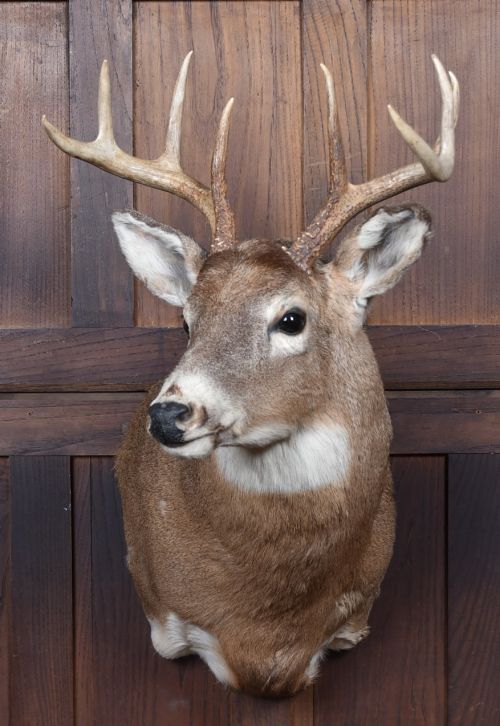

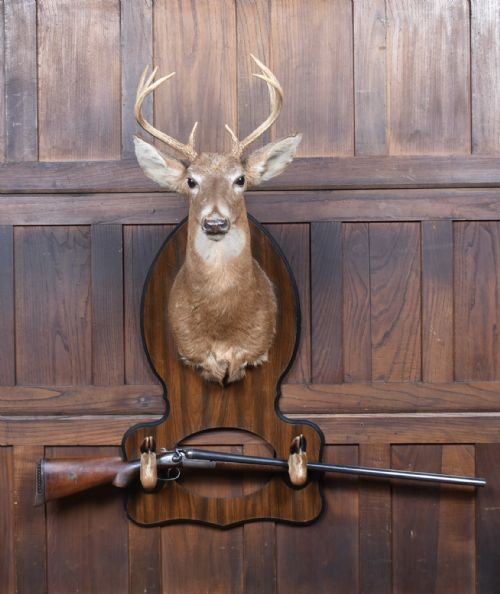
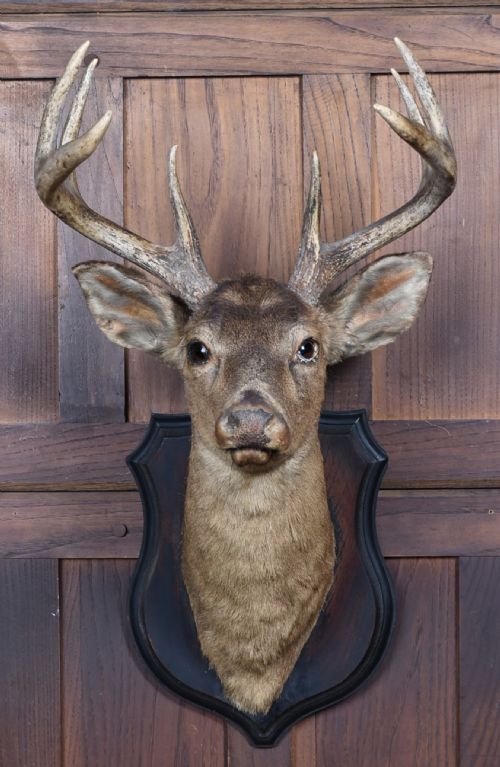


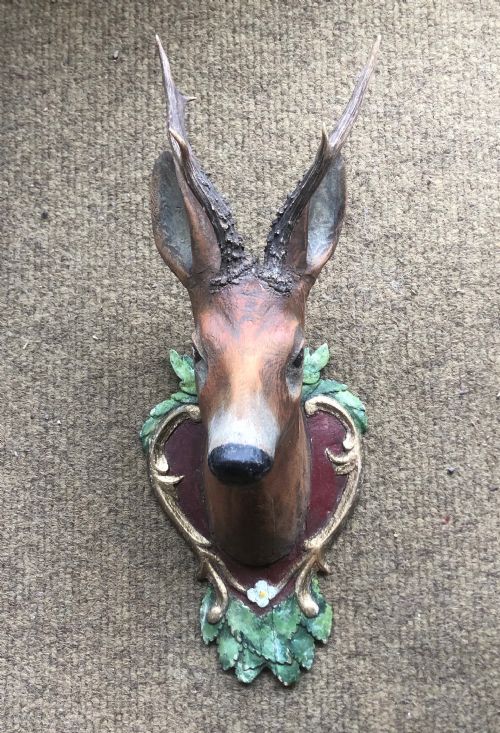
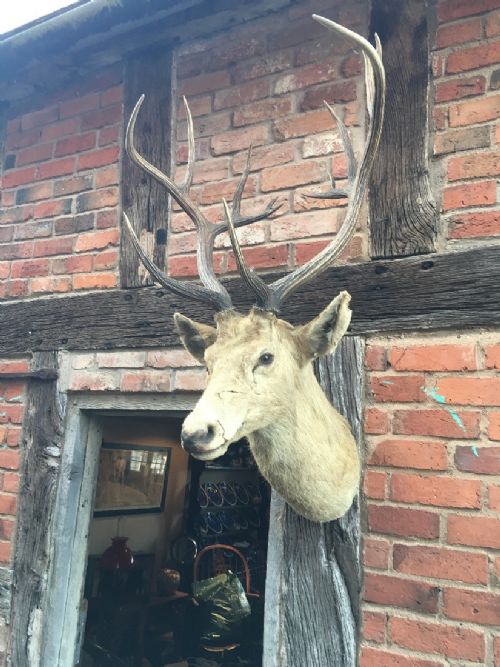
Brown Antler Wall Mount
These brown antler wall mount pieces bring the rugged atmosphere of the nineteenth century lodge directly into a modern interior.
Brown Antler Wall Mount
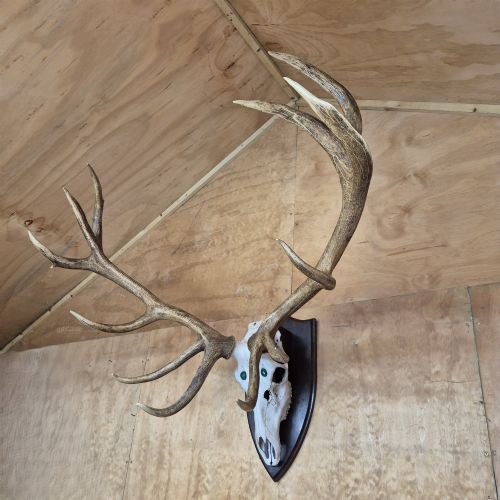
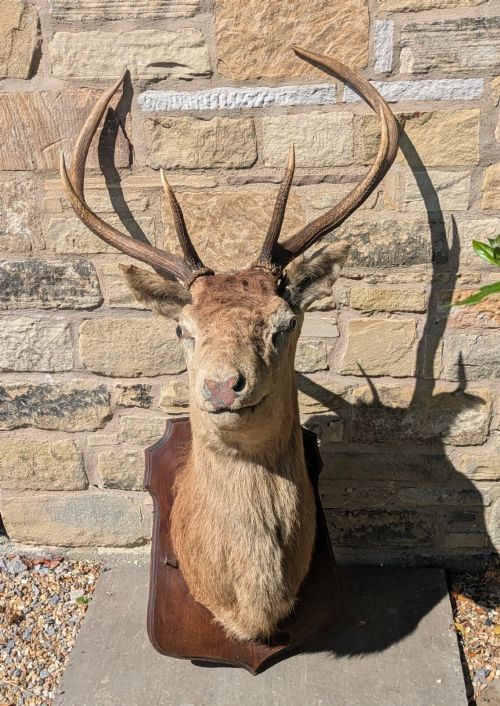
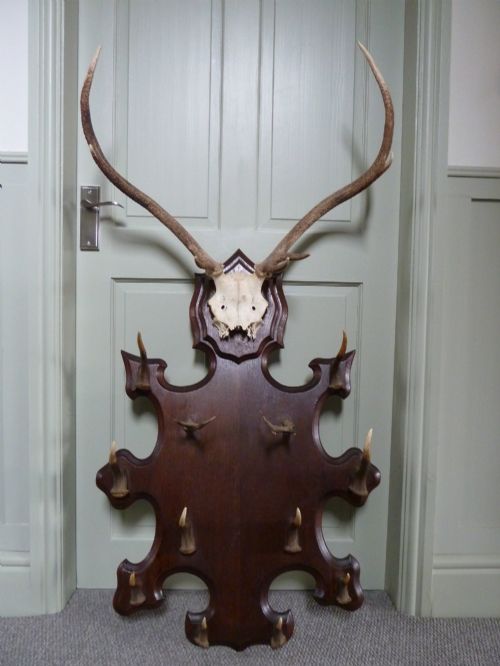
A brown antler wall mount represents a distinct tradition of taxidermy and decorative folk art, drawing heavily on Highland hunting lodge aesthetics and Victorian country house interiors. When searching for a brown antler wall mount, buyers encounter various interpretations ranging from natural trophy heads to functional hall stands and carved wooden tributes.
The pieces appearing on this page span the nineteenth and twentieth centuries, including specific Victorian items alongside Edwardian and later twentieth century examples. Forms vary from simple mounted antlers on wooden shields to complete stags' heads and ram's horns designed for practical domestic utility.
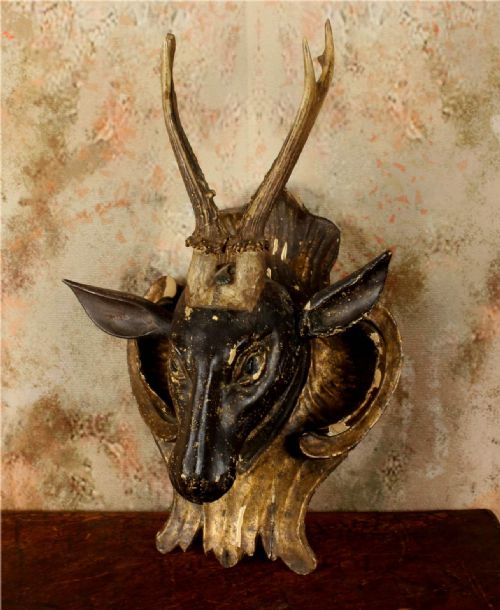
Originating from British and European hunting traditions, these items frequently combine natural bone and horn with carved oak or pine supports. Folk art interpretations also emerge, showing painted wooden details alongside genuine natural material.
Materials and Construction
Natural antler, horn, and bone form the structural core of these wall pieces, paired with carved wood such as oak for mounting shields and backing boards. Taxidermy mounts utilise preserved hides and skulls, secured carefully to wooden panels using traditional iron or steel fixings.
Folk art pieces demonstrate alternative woodworking techniques, employing carved wood to replicate natural animal forms rather than relying solely on taxidermy preservation. Silver collars occasionally appear on associated riding accessories, adding refined metalwork to the organic materials.
Listings feature materials such as natural hide, bone, glass, and oak alongside traditional antlers and horns.
Assessing Quality and Craftsmanship
The quality of a mounted head or set of antlers depends significantly on the symmetry and point count of the natural growth, such as twelve point sets or eleven point skulls. Superior pieces show careful taxidermy preservation that maintains the realistic expression and proportion of the animal.
The craftsmanship of the supporting wooden shield or carved plaque differentiates standard examples from finer works, particularly where detailed folk art carving or solid oak construction is evident. The integrity of the mounting mechanism and the stable attachment of the antlers to the backboard also indicate higher standards of period preparation.
The Brown Antler Wall Mount Glossary
- Taxidermy
- The art of preserving, stuffing, and mounting the skins of animals for display. This technique forms the primary basis for realistic animal head mounts.
- Shield
- A shaped wooden board, frequently carved from oak, used as a backing plate to mount antlers or animal heads securely to a wall. It protects the wall and provides a finished aesthetic.
- Folk art
- Utilitarian or decorative art created by self-taught individuals, often utilising local materials. In this context, it includes hand-carved wooden deer heads and painted interpretations.
- Hallstand
- A piece of hallway furniture integrating hooks, umbrella holders, and mirrors, often incorporating stags' horns or antlers for hanging garments.
- Point
- An individual branch or tine on an antler. Counting these points helps determine the size and maturity of the trophy.
Brown Antler Wall Mount: Frequently Asked Questions
How do I hang a heavy antler mount safely?
Heavy taxidermy mounts require secure fixing directly into wall studs or solid masonry using heavy duty picture hooks and appropriate wall anchors.
Because antique shields and backboards often carry considerable weight from the skull bone and antlers, checking the stability of the hanging wire or bracket before installation is essential.
What is the difference between red deer and whitetail mounts?
Red deer mounts generally display larger proportions, heavier beam structures, and a higher count of points, reflecting their traditional European lodge origins.
Whitetail mounts typically present a more compact silhouette with distinct sweeping tines, frequently mounted on simpler wooden shields.
How should I clean antique taxidermy and antlers?
Dusting requires a very soft brush or a dry microfibre cloth applied gently in the direction of the hair or along the grain of the horn.
Avoid using water, chemical cleaning sprays, or harsh detergents, as moisture can damage historical taxidermy preservation and dry out bone or hide.
Where were these mounts originally displayed?
These pieces traditionally hung in nineteenth century country houses, Highland hunting lodges, and sporting estates as both trophies of the chase and decorative wall furniture.
They also served practical functions in entrance halls as coat racks and hat stands for visiting guests.
How can I tell a Victorian mount from a later piece?
Victorian examples often feature darker, heavier oak shields, traditional brass mounting hardware, and specific taxidermy methods characteristic of nineteenth century workshops.
Twentieth century pieces may show lighter wood finishes, alternative backing shapes, and differing preservation techniques applied to the skull and hide.