





Natural Horn Wall Mount
These natural horn wall mount pieces bring robust rural character to interiors, combining organic texture with striking sculptural forms.
Natural Horn Wall Mount
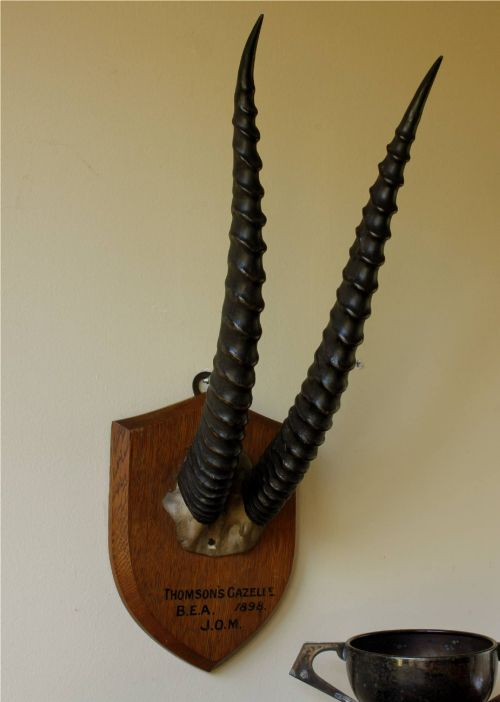
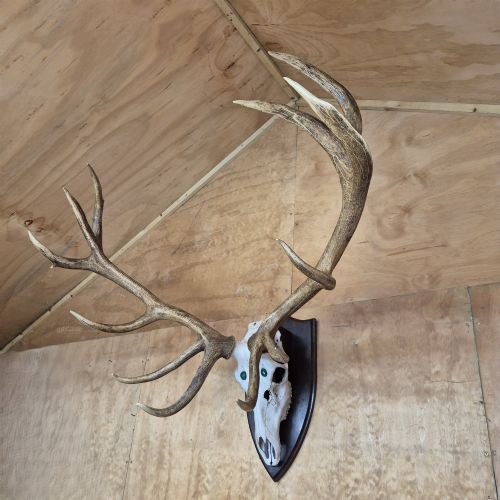
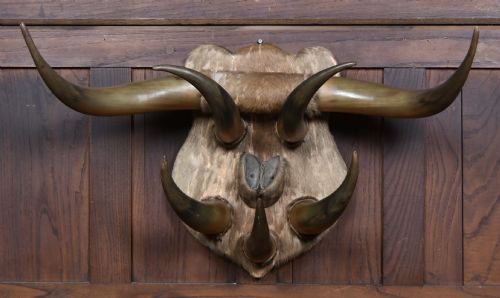
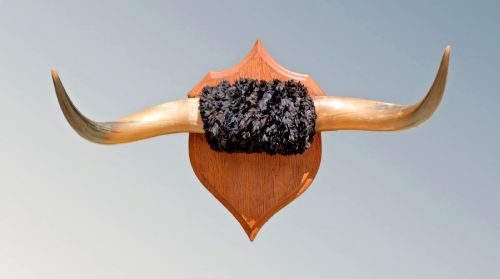
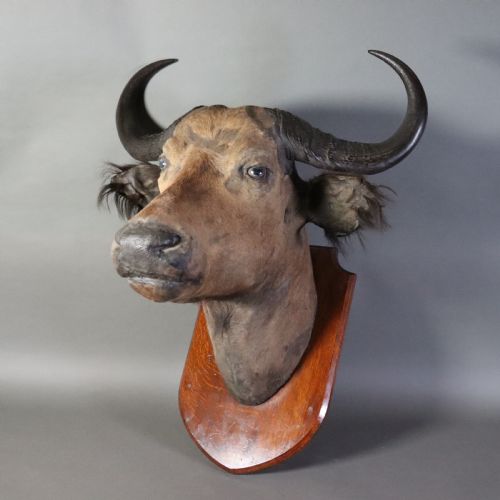
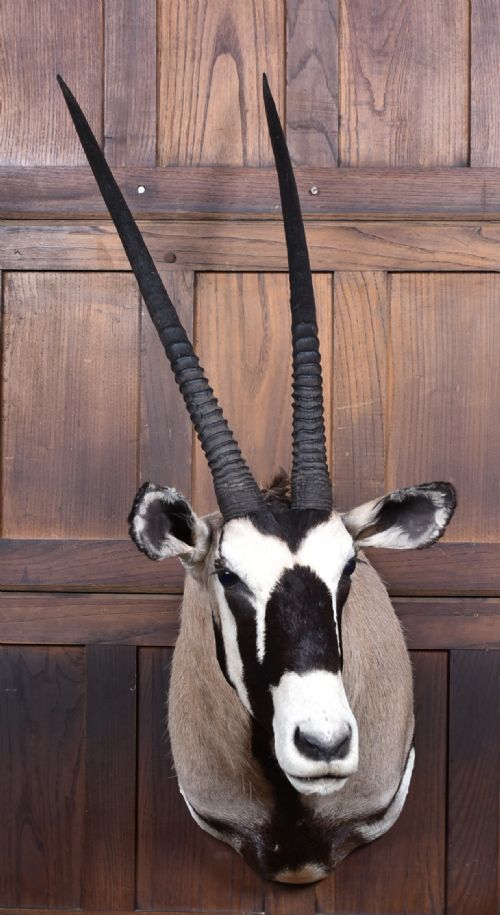
A natural horn wall mount serves as a striking decorative display, bringing genuine wildlife and agricultural forms directly onto interior walls. Buyers seeking a natural horn wall mount typically encounter mounted trophies, cattle horns, and deer antlers dating from the late nineteenth century through to the early twentieth century.
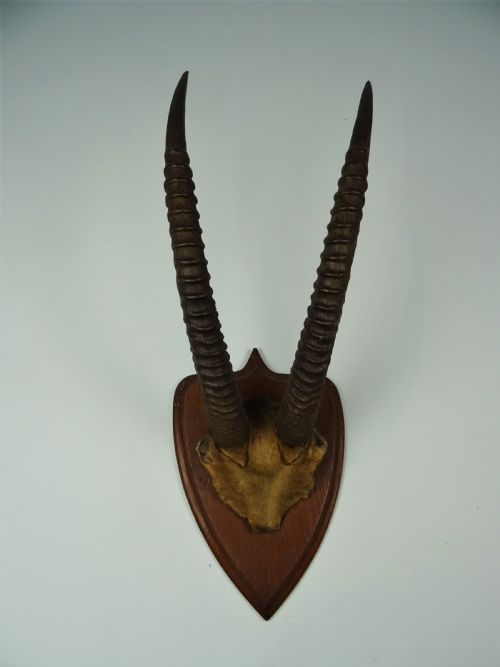
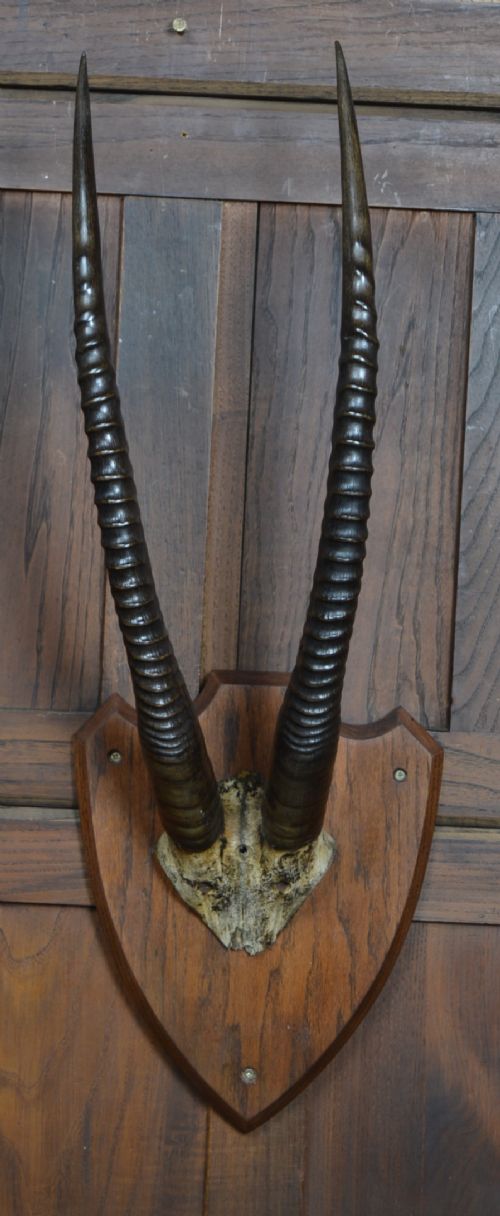
The selection ranges from Victorian arrangements of cattle horns and hooves to Edwardian taxidermy trophy heads including springbok, waterbuck, and gemsbok. These pieces capture the sporting and natural history aesthetics of the Victorian and Edwardian eras, often mounted on carved wooden shields.
Highland lodge and traditional sporting styles dominate the selection, reflecting nineteenth-century and early twentieth-century interior tastes. Whether displaying a large set of red deer antlers or an African antelope trophy, each natural horn wall mount offers a distinct piece of historical taxidermy.
Determinants of quality
Quality rests upon the symmetry and span of the horns, alongside the preservation state of the taxidermy hide and bone. Superior examples maintain intact natural surface sheens and secure mountings to their original wooden shields.
The skill of the taxidermist heavily dictates the desirability of the piece, particularly with works originating from established firms. Well-executed taxidermy preserves the natural proportions and alertness of the animal, whereas inferior specimens show distortion or deteriorated hide.
The listings feature natural horn wall mount pieces from the Victorian and Edwardian eras, spanning the 1880s to the 1920s using horn, oak, and taxidermy hide.
Edward Gerrard & Sons·Gerrard & Sons London
The Natural Horn Wall Mount Glossary
- Taxidermy mount
- The preserved skin and horns of an animal prepared and mounted for display. This technique ensures the specimen retains a lifelike appearance on interior walls.
- Shield
- A carved wooden board used as a backing plate for mounting horns and trophy heads. Oak serves as a common timber for these structural supports.
- Trophy
- An animal horn or head preserved to commemorate a hunt or sporting pursuit. These objects formed central decorative elements in nineteenth-century Highland lodges.
- Antlers
- The shed or harvested bony growths of deer species, distinct from hollow horns. They are typically measured by their number of points.
Natural Horn Wall Mount: Frequently Asked Questions
What is the difference between horns and antlers?
Horns are permanent, hollow sheaths of keratin grown over bone cores found on animals like antelope, cattle, and sheep. They are generally retained for life and grow continuously.
Antlers are solid bone structures grown and shed annually by members of the deer family. They branch into multiple points rather than forming a single curved sheath.
How should I clean and maintain taxidermy horns?
Dust the horn and wooden shield regularly with a soft, dry brush or microfiber cloth to prevent particle buildup. Avoid using water, liquid cleaners, or polishes on the organic horn and taxidermy hide.
Keep the mount away from direct sunlight and strong heat sources to prevent the hide and bone from drying out, cracking, or fading over time.
How can I tell a Victorian mount from a later piece?
Victorian and late nineteenth-century pieces often feature distinct carved oak shields, hand-written taxidermy labels, and specific preservation techniques typical of the period. Edwardian mounts tend to show slightly different taxidermy styling and documentation.
Examining the fixings, timber backing, and any visible maker stamps helps clarify the precise era of production within the late nineteenth and early twentieth centuries.