


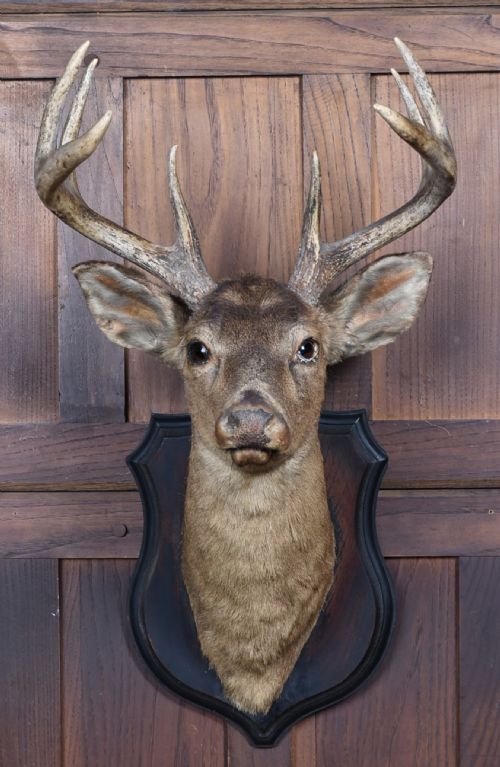


Antique Stag Head
These antique stag head pieces bring the drama of the 19th-century hunting lodge directly into a modern interior.
Antique Stag Head
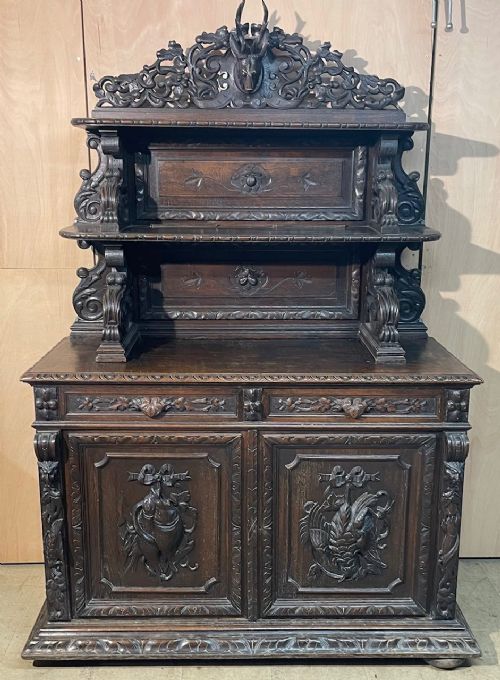
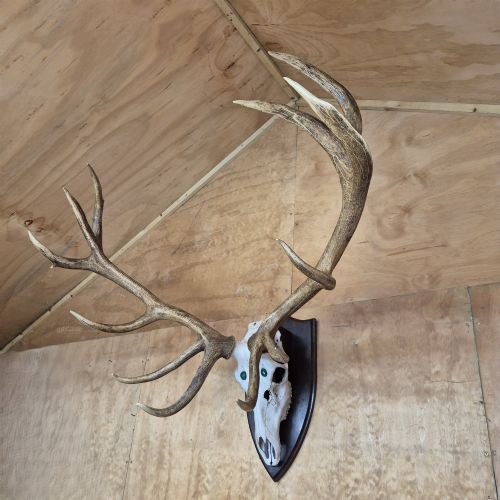
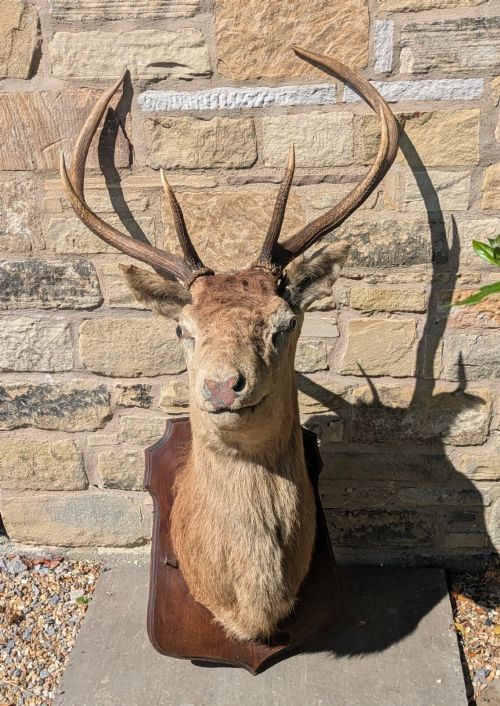
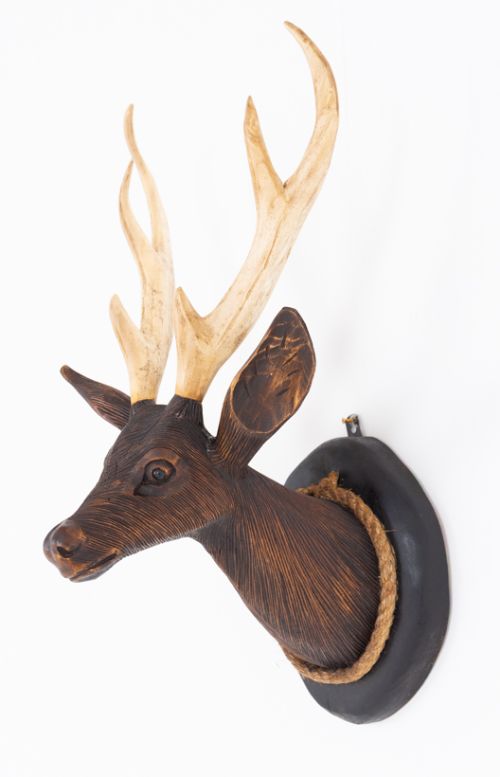
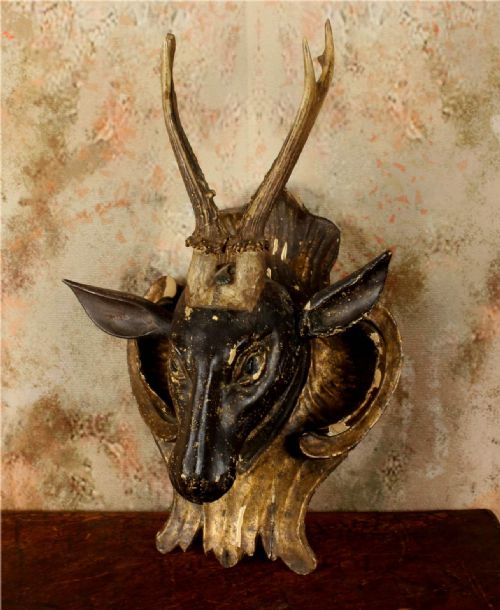
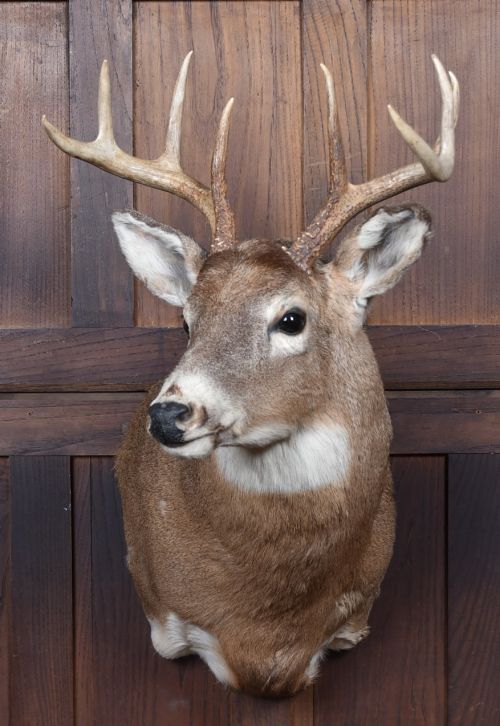
When you search for an antique stag head, you encounter a distinct mix of taxidermy mounts and carved wooden trophies dating from the Victorian period through to the 1930s. The selection on this page relies heavily on taxidermy mounts featuring red deer, roebuck, and white-tailed deer, alongside deeply carved Black Forest wall sculptures.
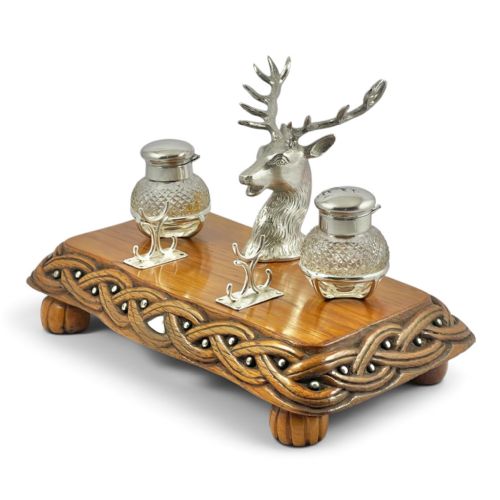
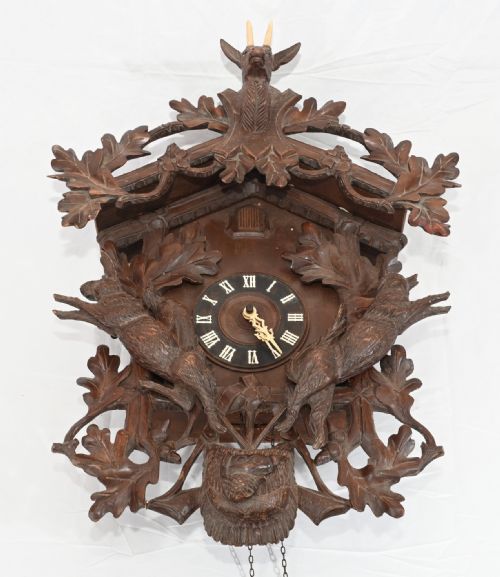
Beyond natural taxidermy, the forms extend to functional items and decorative arts where the motif appears on inkstands, sideboards, and wall clocks. These objects span English, French, German, and Swedish origins, reflecting a broad European tradition of highland hunting lodge decoration and folk art.
The most common pieces you will meet are taxidermy antlers mounted on wooden shields and carved walnut wall trophies. These range from modest roebucks to impressive twelve-point red deer stags destined for principal reception rooms.
How they were made
Taxidermy mounts rely on the preservation of natural antler and bone affixed to carved wooden shields made from oak or walnut. Master taxidermists shaped the head forms to replicate life, frequently incorporating glass eyes to achieve a realistic appearance.
Carved wooden pieces showcase the meticulous work of continental workshops, particularly within the Black Forest style. Artisans utilised hand-carved walnut and general carved wood to render intricate fur textures, oak leaves, and naturalistic antlers in deep relief.
Some Victorian desk accessories incorporate actual deer feet as pen holders, reflecting the uncompromising utility of the period.
What varies in quality
The anatomical proportion of the taxidermy mount and the symmetry of the antler points dictate the primary tier of quality. Superior examples display naturalistic glass eyes and a clean integration with the carved wooden shield.
The Antique Stag Head Glossary
- Black Forest
- A regional style of wood carving originating from the mountainous region of central Europe. This tradition specialises in wildlife and forestry motifs rendered in carved walnut.
- Taxidermy mount
- The preserved skin and antlers of an animal fitted over a constructed form. These are typically presented on wooden shields for wall hanging.
- Shield
- The shaped wooden plaque, often carved with oak leaves, that supports a taxidermy head or set of antlers. It provides a secure base for wall mounting.
- Point
- An individual branch or tine on a deer's antler. Counting points helps determine the maturity and classification of the trophy.
Antique Stag Head: Frequently Asked Questions
What is a royal stag?
A royal stag refers to a red deer with antlers possessing twelve distinct points. This traditional classification denotes a mature and impressive animal.
Such specimens command attention in a room and generally represent the pinnacle of traditional hunting trophies.
How do I clean antique taxidermy?
Remove dust gently using a soft, dry brush or a feather duster moving in the direction of the hair. Avoid using water or liquid cleaners on preserved skins and hair.
Keep mounts away from direct sunlight and damp environments to protect the natural bone, hair, and wooden shields from deterioration.
Where were Black Forest carvings made?
Black Forest carvings originated primarily in the woodcarving communities of Switzerland and Germany during the 19th century. Local artisans utilised native walnut and lime wood.
These workshops produced everything from clocks and inkstands to large wall trophies for international markets.