






Country House Taxidermy Mount
A country house taxidermy mount brings the theatre of the Victorian and Edwardian sporting estate directly into a room.
Country House Taxidermy Mount
A country house taxidermy mount comprises preserved animal specimens, antler trophies, and functional curiosities designed for domestic display. These pieces span the nineteenth and twentieth centuries, taking the form of wall mounts, masks, table lamps, and inkwells.
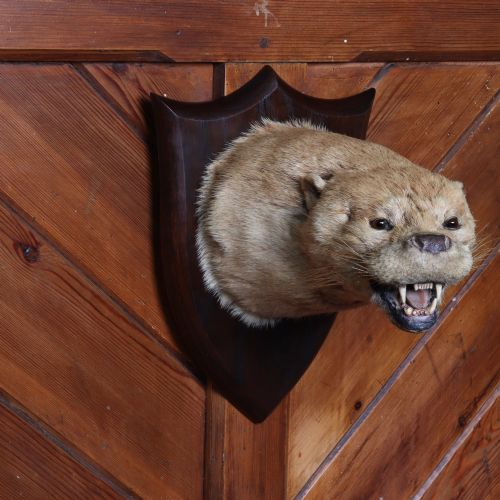
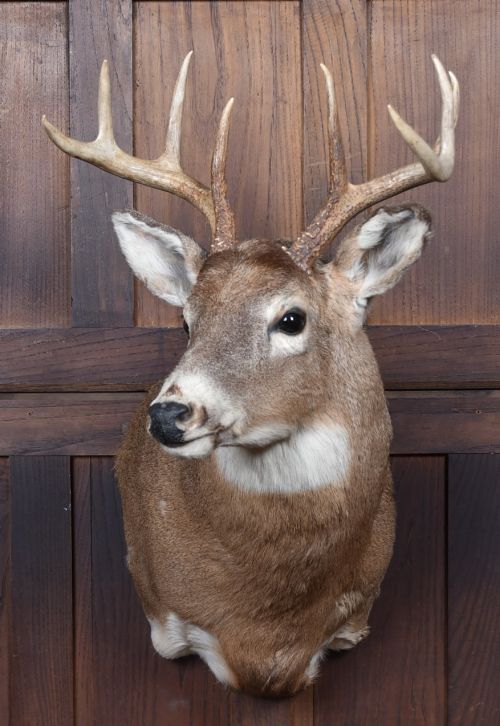
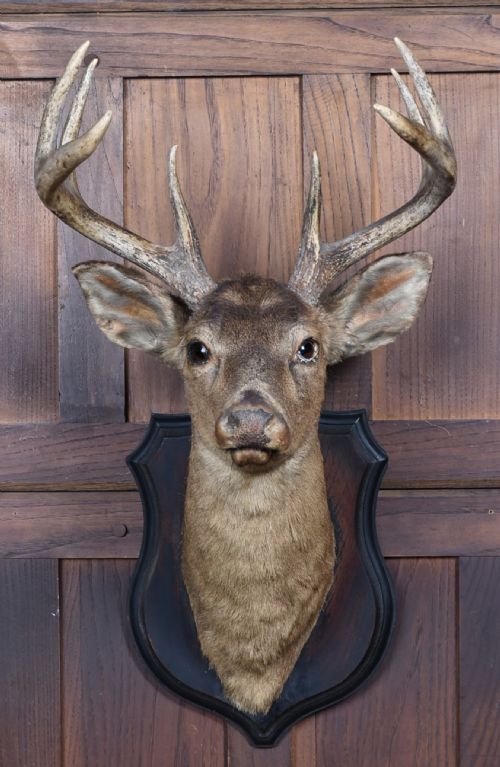
The items reflect Highland hunting lodge and Victorian natural history aesthetics, often featuring deer, foxes, otters, and game birds. Wall mounts and carved wooden shields predominate, echoing the traditional decor of British country residences.
How they were made
Taxidermists utilised natural hide, fur, bone, and antler, mounting specimens over structural forms to preserve realistic postures. Oak and other woods provided sturdy backing shields or structural bases for items such as table lamps and inkwells.
Glass eyes and careful dermal preparation completed the illusion of life, while carved wooden shields received specialised mounting hardware for wall display. Hide and taxidermy hide were dressed and fitted by hand to withstand domestic environments.
The listings span the Victorian, Edwardian, and mid-twentieth-century eras, incorporating materials such as oak, bone, antler, and natural fur.
What varies in quality
The anatomical accuracy and naturalistic expression of the preserved subject determine the distinction of a mount. Master taxidermists achieved lifelike alertness in the posture of masks and stags heads, whereas lesser examples lack anatomical precision.
The execution of the mounting woodwork, such as carved oak shields and fitted bases, separates standard work from premier pieces. Signed examples from noted workshops display superior longevity and preservation of hide and antler.
Peter Spicer & Sons
The Country House Taxidermy Mount Glossary
- Taxidermy mount
- The preserved and mounted skin of an animal combined with a supportive form. These pieces served as trophies or decorative furnishings in country residences.
- Mask
- The head and neck portion of an animal, commonly a fox or otter, preserved and mounted for wall display. They frequently record the quarry of traditional hunts.
- Shield
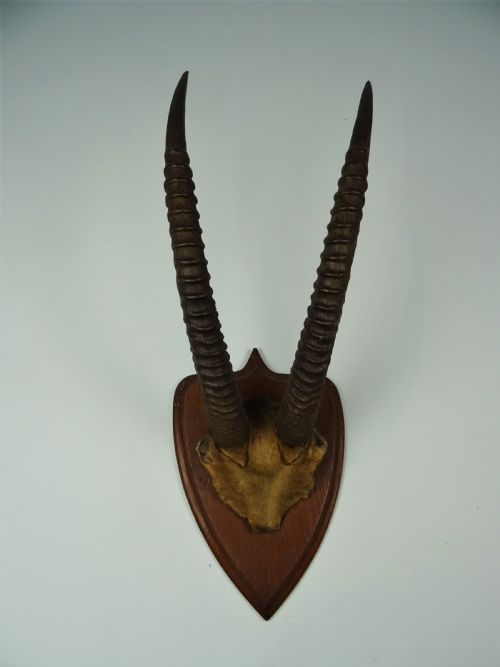
- A carved wooden plaque, often oak, upon which a taxidermy mount or antler trophy is fixed. It protects the wall and frames the specimen.
- Natural history
- The study and collection of animals and plants, which influenced Victorian interior decoration. Specimens were mounted to display scientific interest alongside sporting prowess.
Country House Taxidermy Mount: Frequently Asked Questions
How do I hang a heavy taxidermy head?
A substantial stags head requires a secure wall anchor fixed directly into structural masonry or heavy wooden studs. The weight demands sturdy hardware rather than simple picture hooks.
Ensure the mounting bracket on the oak shield engages fully with the wall fastening to support the forward-projecting weight safely.
Where should I place a taxidermy mount?
These pieces suit libraries, studies, and hallways where traditional country house aesthetics apply. Position them away from direct sunlight and damp conditions to protect the hide and fur.
Keep mounts clear of active heat sources to prevent the natural materials from drying out or cracking over time.
How do I clean historical taxidermy?
Remove dust gently using a very soft brush or a cool hairdryer set to the lowest speed. Avoid applying water, cleaning sprays, or chemical solvents directly to the fur or hide.
Professional conservators should handle any deep cleaning or restoration required for fragile Victorian specimens.