50,976  PAGES BROWSED TODAY PAGES TODAY 117 ANTIQUES UPLOADED TODAYNEW ARRIVALS
117 ITEMS ADDED TODAY
Sort Order
Items Per Page
Browse Categories
Sort order
Relevant Links
Items per page
ID #SA1187892
FOR SALE
£5,000
Email
Save
Victorian Taxidermy – ‘Dairy Maid’ a Hunts Noted Fox Hound Mounted by the Famous Victorian Taxidermist ‘Peter Spicer’ of Royal Leamington Spa
Kendall House Antiques Ltd.
for sale €5,850     $6,350
£5,000
Kendall House Antiques Ltd.

Kendall House Antiques Ltd.

Sellingantiques Verified Since May 2022
View Dealers Stock Page
  • About Us
    Kendall house antiques a traditional shop in the north cotswold’s market town of chipping campden.
Relevant Links
Id #SA1187892
PDF SHARE
SAVE

Victorian Taxidermy – ‘Dairy Maid’ a Hunts Noted Fox Hound Mounted by the Famous Victorian Taxidermist ‘Peter Spicer’ of Royal Leamington Spa

19th century
Description

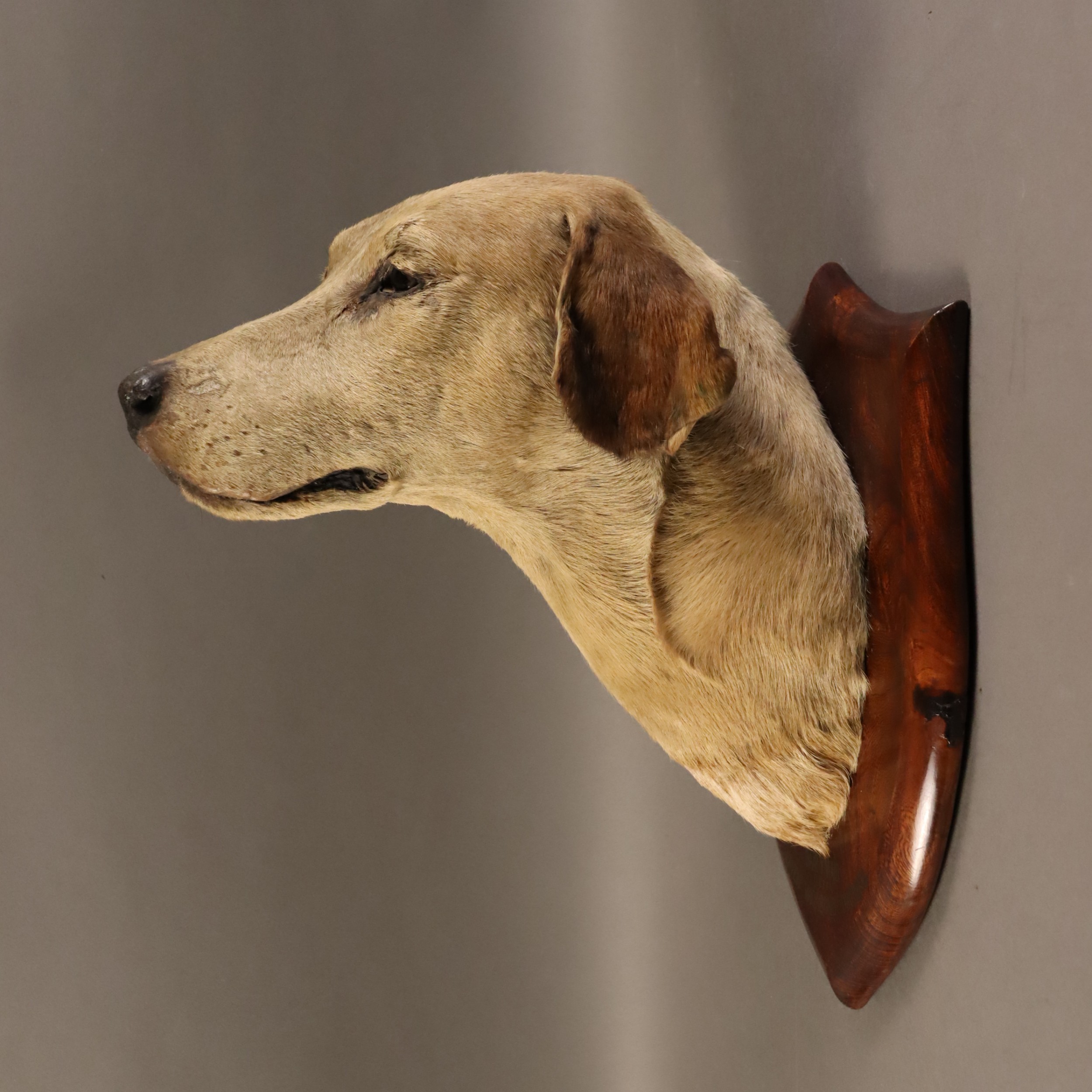
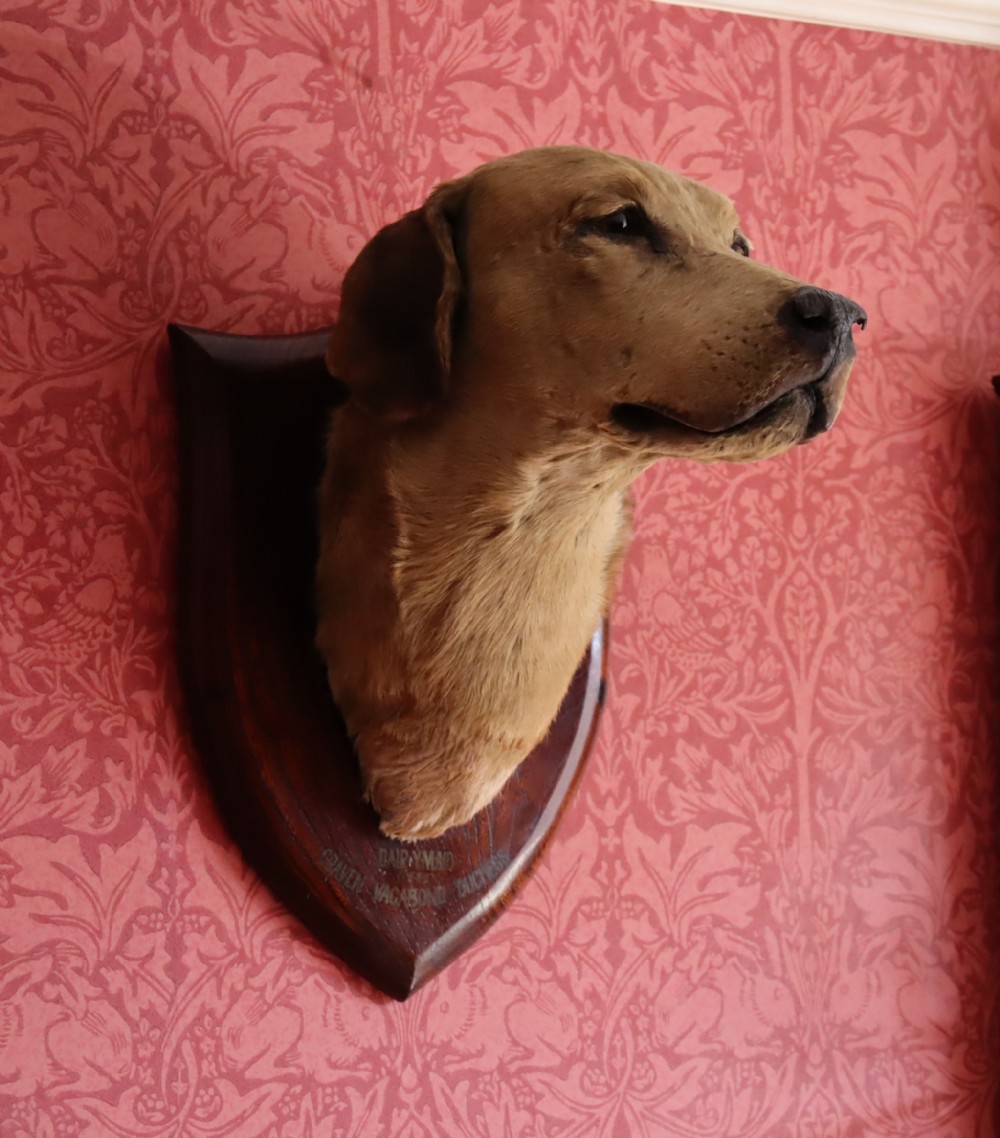
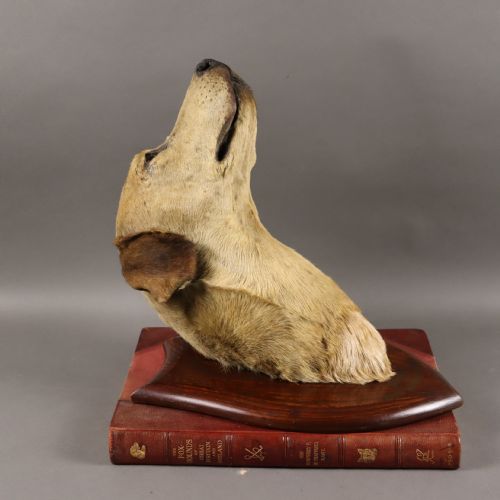
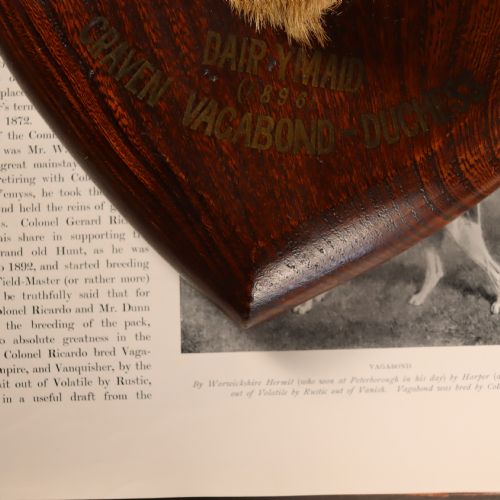
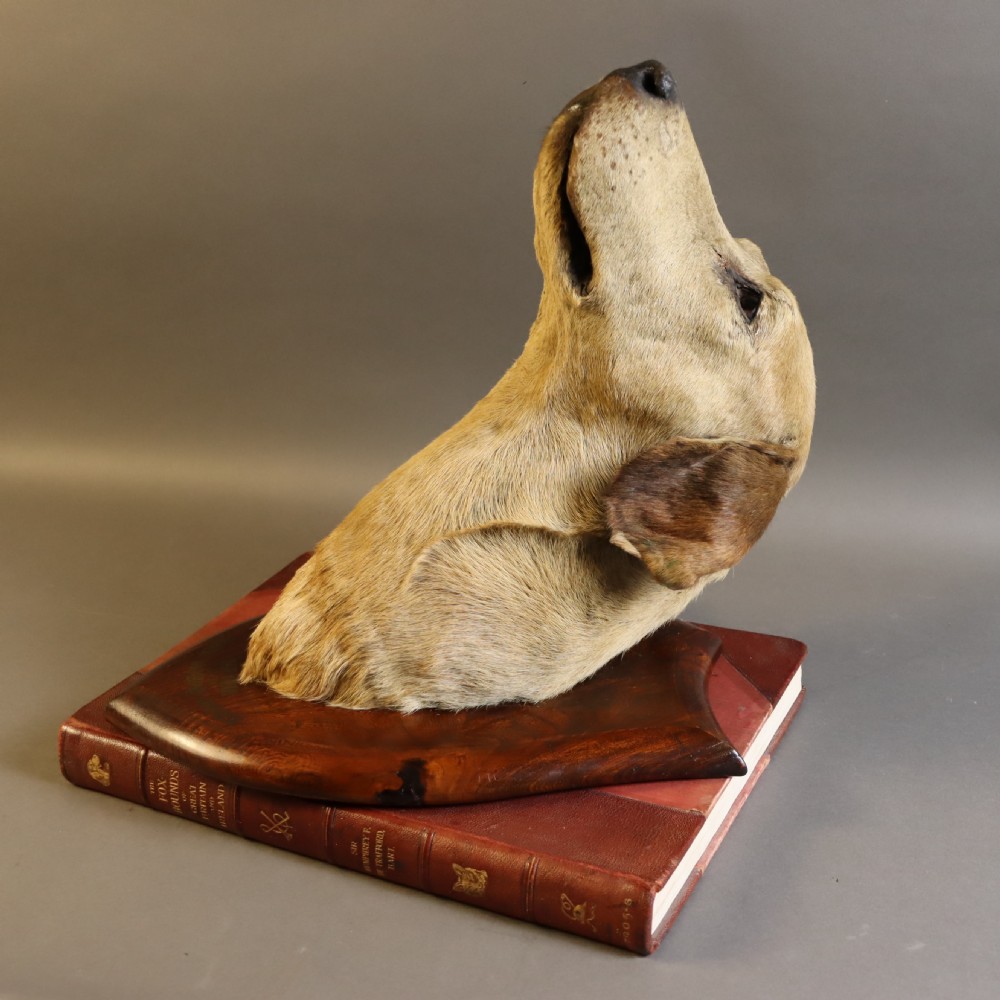
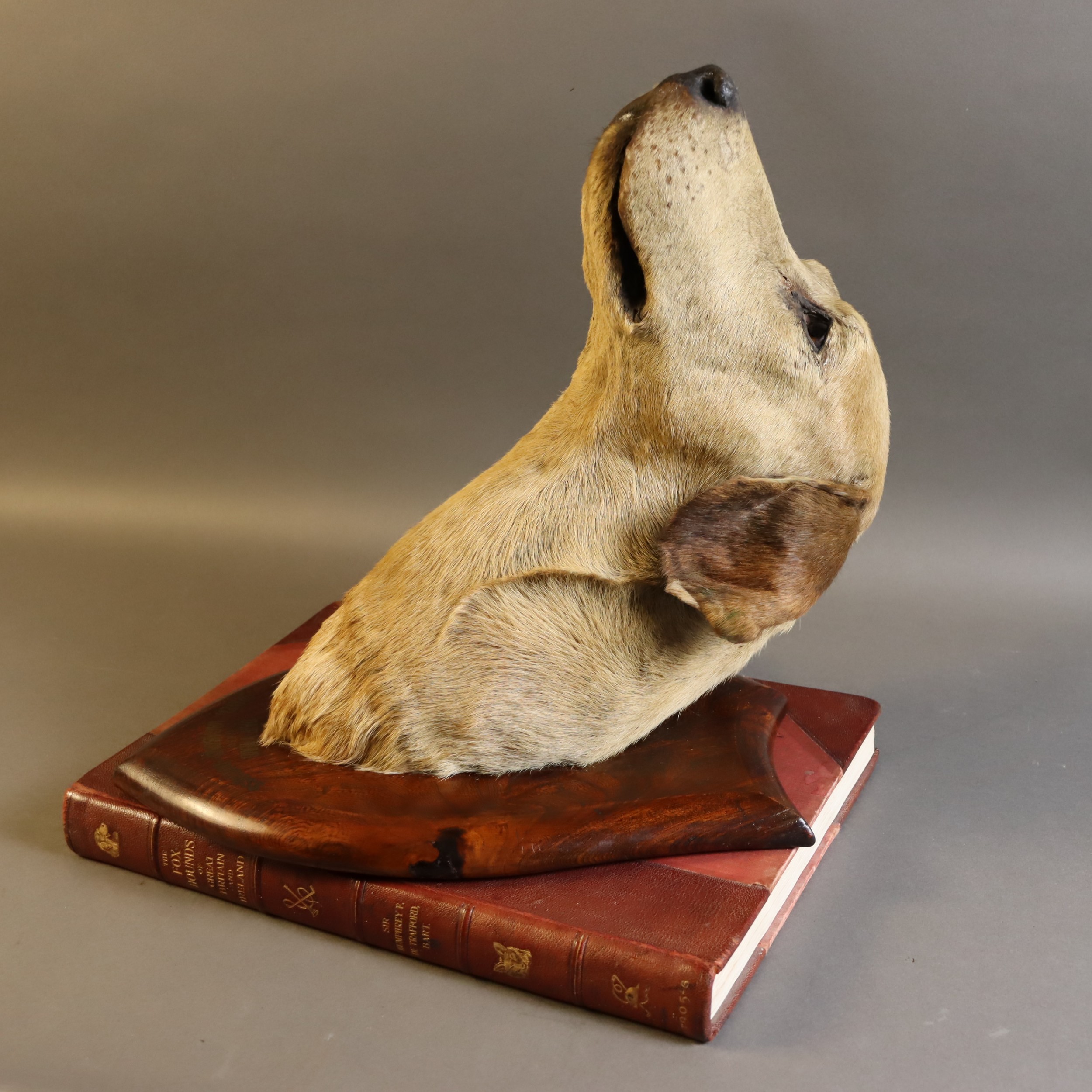
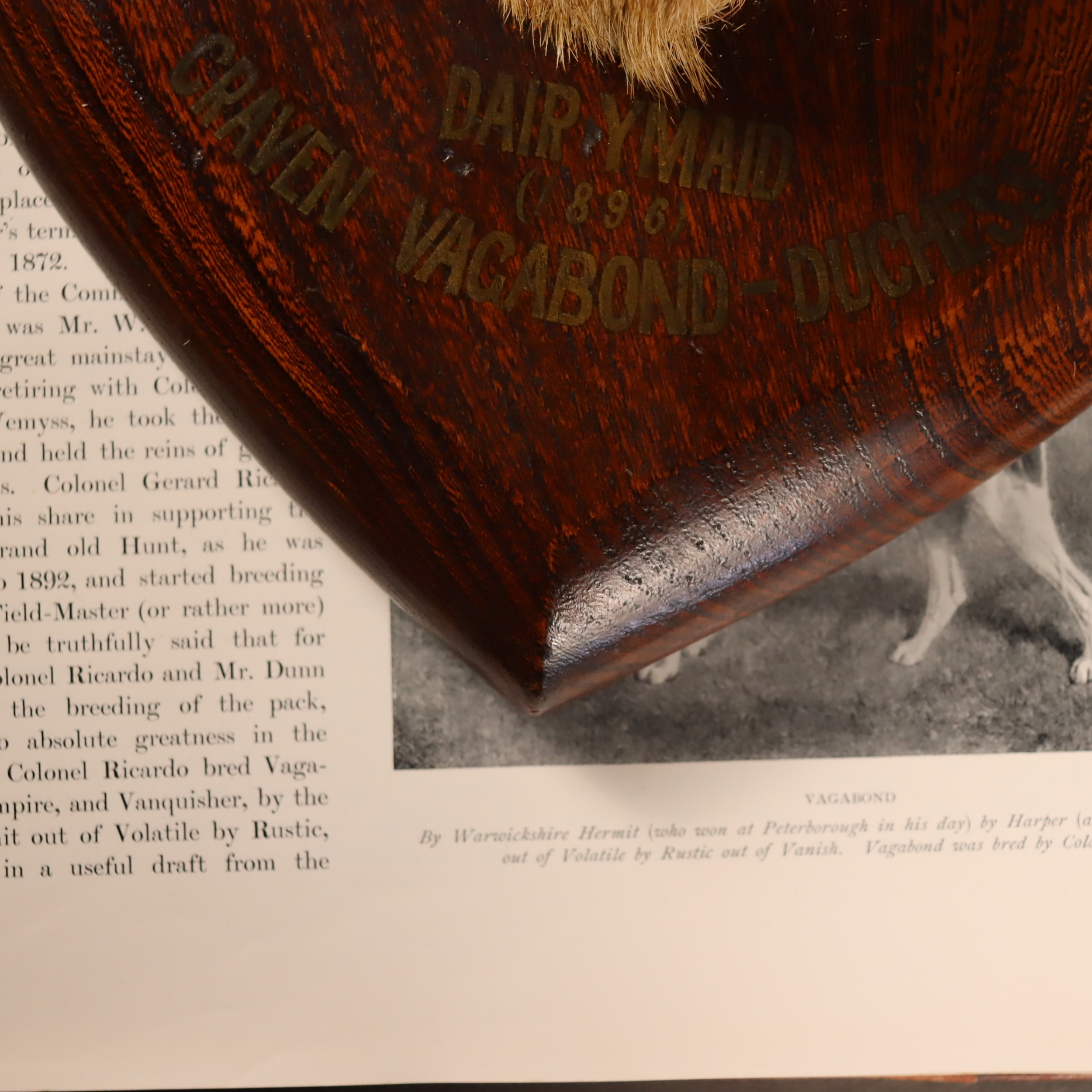
An expensive commission in its day to commemorate a very special hound. Beautifully modelled and mounted on a polished elm shield, with the gilt legend

Dairy Maid

1896

Craven Vagabond-Duchess
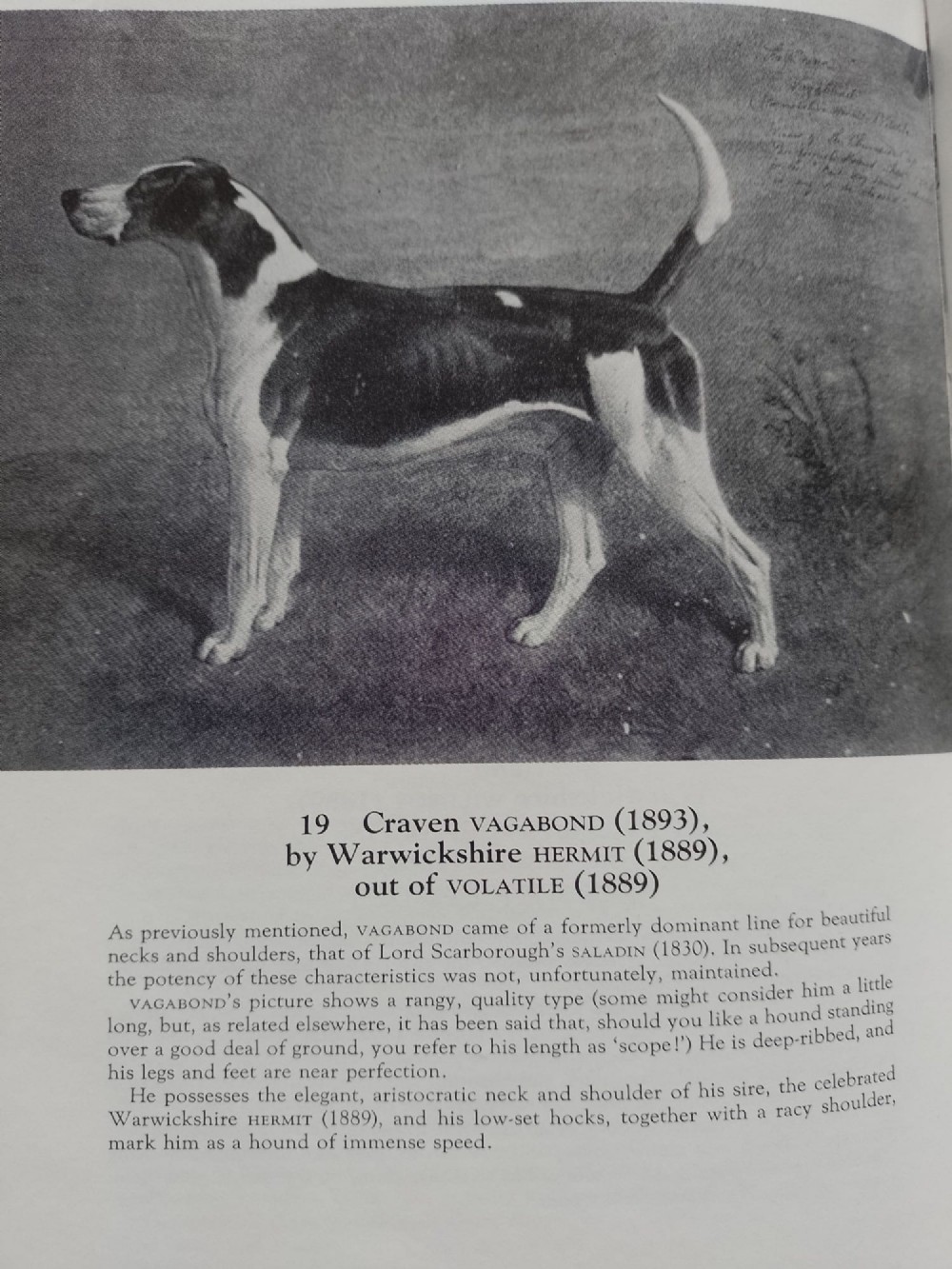
Reference: The sire Craven Vagabond (1893) was a particular distinguished sire, he was bred by the Craven hunt under the leadership of Major Gerald Ricardo a renowned hound breeder.

The following is an extract: Great breeders of foxhounds seldom produce a formula for their success. They usually possess flair for breeding animals and this gift cannot be passed on. They know that certain strains of blood (nick) and others do not. They know how to blend pedigree with pedigree so that the produce conforms to the type as well as the breeding which they require. Hound breeding is not as simple as might be supposed from an article written in 1898 by Major Gerald Ricardo, the MFH of the Craven, and breeder of that beautiful Peterborough Champion, Craven VAGABOND (1893). His theory on the breeding of foxhounds was simple in the extreme: ‘Breed from the best bitch in the pack, and try to put her to the best dog in England, if procurable. As good fortune had it he selected Warwickshire HERMIT (1889), as ‘the best dog in England’ and sent him to his impeccably bred VOLATILE (1889), thereby combining the blood of Warwickshire and Croome – which was always ‘nicked’. Thus VAGABOND inherited no fewer than four lines of that celebrated foxhound, Lord Coventry’s (Croome) RAMBLER (1873), three through the sire and one through the dam, whilst in addition, the Fitzwillian (Milton) appeared in both halves of the pedigree, which was, indeed, a model one. Yet one could call VAGABOND a ‘chance-bred’ hound, for no thought or study had apparently been given to pedigree, and that is not the way to breed a pack of hounds. Deep knowledge of one’s hounds, and deep knowledge of the Foxhound Kennel Stud Book are required, and only time and study can acquire this knowledge.
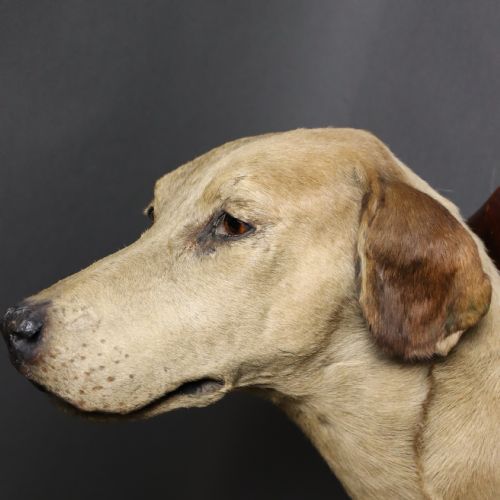
Craven Vagabond was ‘the champion hound’ at the prestigious Royal Peterborough fox hound show in 1894. By ‘Warwickshire Hermit’ out of ‘Craven Volatile’.

“Dairy Maid” was attached to Lord Coventry’s ‘Croome Hunt’ at Croome Court in Worcestershire. In 1874 the 9th Earl founded the “Earl of Coventry’s hunt” which became Croome Hunt in 1882. The hunt buttons still bear Coventry’s coronet today. Now “Croome & West Warwickshire” Kennals at Severn Stoke Worcestershire which meets at Pershore.
In 1905 ‘Dairy maid’ went on to have one litter with sire ‘Warwickshire Sampson’ producing the following seven puppies Croome-Sacred, Saintly, Sally, Sapper, Sawyer, Saxon and Solomon.

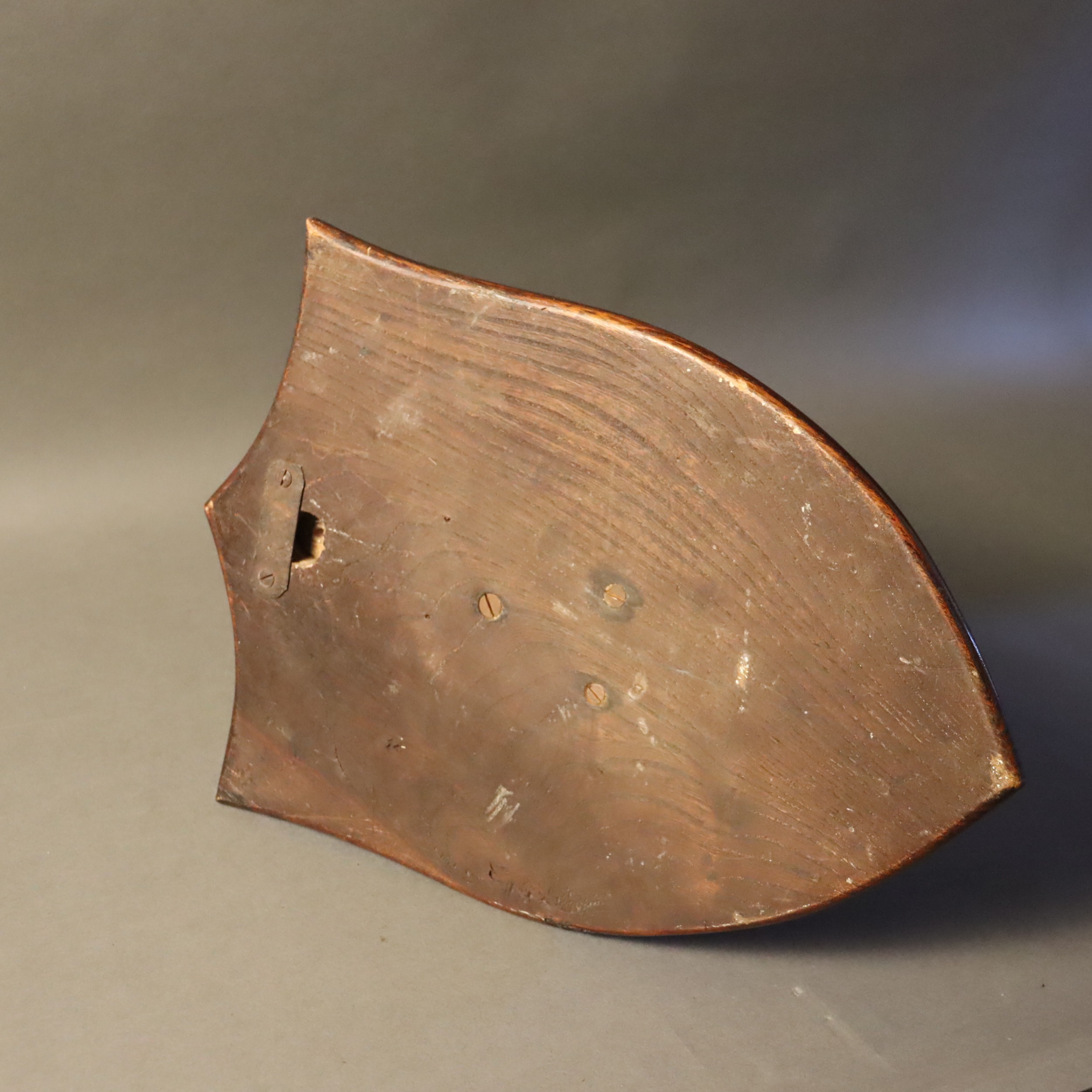
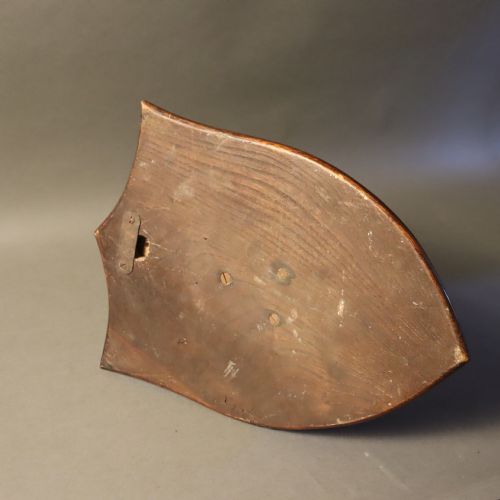
Condition. There is no taxidermists mark, ‘Spicers’ old trade label once pasted to the verso of the shield has long gone. The hound had received some damage (skin loss) to it lower neck, and was generally dirty. This has now been respectfully and carefully cleaned and repaired.
I think in this instance using the words rare and remarkable is a fair description. I have been collecting Victorian taxidermy for over 55 years, and established “The Victorian Taxidermy Company ltd” back in 1999. In 2001 I published “A Record of Spicer’s” a book covering the history of this famous taxidermy firm. Today my wife and I run a small antique shop in the Cotswolds, specialising in the finer examples of Victorian taxidermy and in all of this time, I have never previously had an opportunity to buy such a fine hound head trophy.

Declaration

Kendall House Antiques Ltd. has dated this Victorian Taxidermy Foxhound Mount to the 1890s.

Reference Numbers
Sellingantiques Reference
SA1187892
Dealers Internal Reference
25711
Dealers Notes

-------------------

Please also check spam for our email replies.

-------------------

Shop Opening Hours: Thursday – Sunday 10:00am – 4:00pm

Out of hours appointments can be arranged just give us a call.

-------------------

Follow us on instagram

https://www.instagram.com/kendallhouseantiques/

-------------------

We offer a professional and prompt delivery service within the UK using our own van and driver.

Please contact us for delivery options, plus any shipping enquires.

-------------------

Description
An expensive commission in its day to commemorate a very special hound. Beautifully modelled and mounted on a polished elm shield, with the gilt legend

Dairy Maid

1896

Craven Vagabond-Duchess

Reference: The sire Craven Vagabond (1893) was a particular distinguished sire, he was bred by the Craven hunt under the leadership of Major Gerald Ricardo a renowned hound breeder.
Kendall House Antiques Ltd.
fig 1. A Victorian taxidermy foxhound head with tan fur facing upwards, mounted on a polished oak shield board.
fig 1. Victorian Taxidermy – ‘Dairy Maid’ a Hunts Noted Fox Hound Mounted by the Famous Victorian Taxidermist ‘Peter Spicer’ of Royal Leamington Spa

The following is an extract: Great breeders of foxhounds seldom produce a formula for their success. They usually possess flair for breeding animals and this gift cannot be passed on. They know that certain strains of blood (nick) and others do not. They know how to blend pedigree with pedigree so that the produce conforms to the type as well as the breeding which they require. Hound breeding is not as simple as might be supposed from an article written in 1898 by Major Gerald Ricardo, the MFH of the Craven, and breeder of that beautiful Peterborough Champion, Craven VAGABOND (1893). His theory on the breeding of foxhounds was simple in the extreme: ‘Breed from the best bitch in the pack, and try to put her to the best dog in England, if procurable. As good fortune had it he selected Warwickshire HERMIT (1889), as ‘the best dog in England’ and sent him to his impeccably bred VOLATILE (1889), thereby combining the blood of Warwickshire and Croome – which was always ‘nicked’. Thus VAGABOND inherited no fewer than four lines of that celebrated foxhound, Lord Coventry’s (Croome) RAMBLER (1873), three through the sire and one through the dam, whilst in addition, the Fitzwillian (Milton) appeared in both halves of the pedigree, which was, indeed, a model one. Yet one could call VAGABOND a ‘chance-bred’ hound, for no thought or study had apparently been given to pedigree, and that is not the way to breed a pack of hounds. Deep knowledge of one’s hounds, and deep knowledge of the Foxhound Kennel Stud Book are required, and only time and study can acquire this knowledge.

fig 2. A Victorian taxidermy foxhound head with tan fur facing upwards, mounted on a polished oak shield board.
fig 2. Victorian Taxidermy – ‘Dairy Maid’ a Hunts Noted Fox Hound Mounted by the Famous Victorian Taxidermist ‘Peter Spicer’ of Royal Leamington Spa

Craven Vagabond was ‘the champion hound’ at the prestigious Royal Peterborough fox hound show in 1894. By ‘Warwickshire Hermit’ out of ‘Craven Volatile’.

“Dairy Maid” was attached to Lord Coventry’s ‘Croome Hunt’ at Croome Court in Worcestershire. In 1874 the 9th Earl founded the “Earl of Coventry’s hunt” which became Croome Hunt in 1882. The hunt buttons still bear Coventry’s coronet today. Now “Croome & West Warwickshire” Kennals at Severn Stoke Worcestershire which meets at Pershore.

fig 3. A Victorian taxidermy foxhound head with tan fur facing upwards, mounted on a polished oak shield board.
fig 3. Victorian Taxidermy – ‘Dairy Maid’ a Hunts Noted Fox Hound Mounted by the Famous Victorian Taxidermist ‘Peter Spicer’ of Royal Leamington Spa

In 1905 ‘Dairy maid’ went on to have one litter with sire ‘Warwickshire Sampson’ producing the following seven puppies Croome-Sacred, Saintly, Sally, Sapper, Sawyer, Saxon and Solomon.

Condition. There is no taxidermists mark, ‘Spicers’ old trade label once pasted to the verso of the shield has long gone. The hound had received some damage (skin loss) to it lower neck, and was generally dirty. This has now been respectfully and carefully cleaned and repaired.

fig 4. A Victorian taxidermy foxhound head with tan fur facing upwards, mounted on a polished oak shield board.
fig 4. Victorian Taxidermy – ‘Dairy Maid’ a Hunts Noted Fox Hound Mounted by the Famous Victorian Taxidermist ‘Peter Spicer’ of Royal Leamington Spa

I think in this instance using the words rare and remarkable is a fair description. I have been collecting Victorian taxidermy for over 55 years, and established “The Victorian Taxidermy Company ltd” back in 1999. In 2001 I published “A Record of Spicer’s” a book covering the history of this famous taxidermy firm. Today my wife and I run a small antique shop in the Cotswolds, specialising in the finer examples of Victorian taxidermy and in all of this time, I have never previously had an opportunity to buy such a fine hound head trophy.

Date of Manufacture

Kendall House Antiques Ltd. has dated this Victorian Taxidermy Foxhound Mount to the 1890s.

Reference Numbers
Sellingantiques Ref
SA1187892
Dealers Internal Ref
25711
Kendall House Antiques Ltd.
Sellingantiques verified Since May 2022

Kendall house antiques a traditional shop in the north cotswold’s market town of chipping campden.

Dealer Profile

You can view the stock and full dealer information on the Kendall House Antiques Ltd. Profile Page
PDF SHARE
SAVE
A Victorian taxidermy foxhound head with tan fur facing upwards, mounted on a polished oak shield board.
1 / 8
Archive I A Victorian taxidermy foxhound head with tan fur facing upwards, mounted on a polished oak shield board.

Victorian Taxidermy – ‘Dairy Maid’ a Hunts Noted Fox Hound Mounted by the Famous Victorian Taxidermist ‘Peter Spicer’ of Royal Leamington Spa
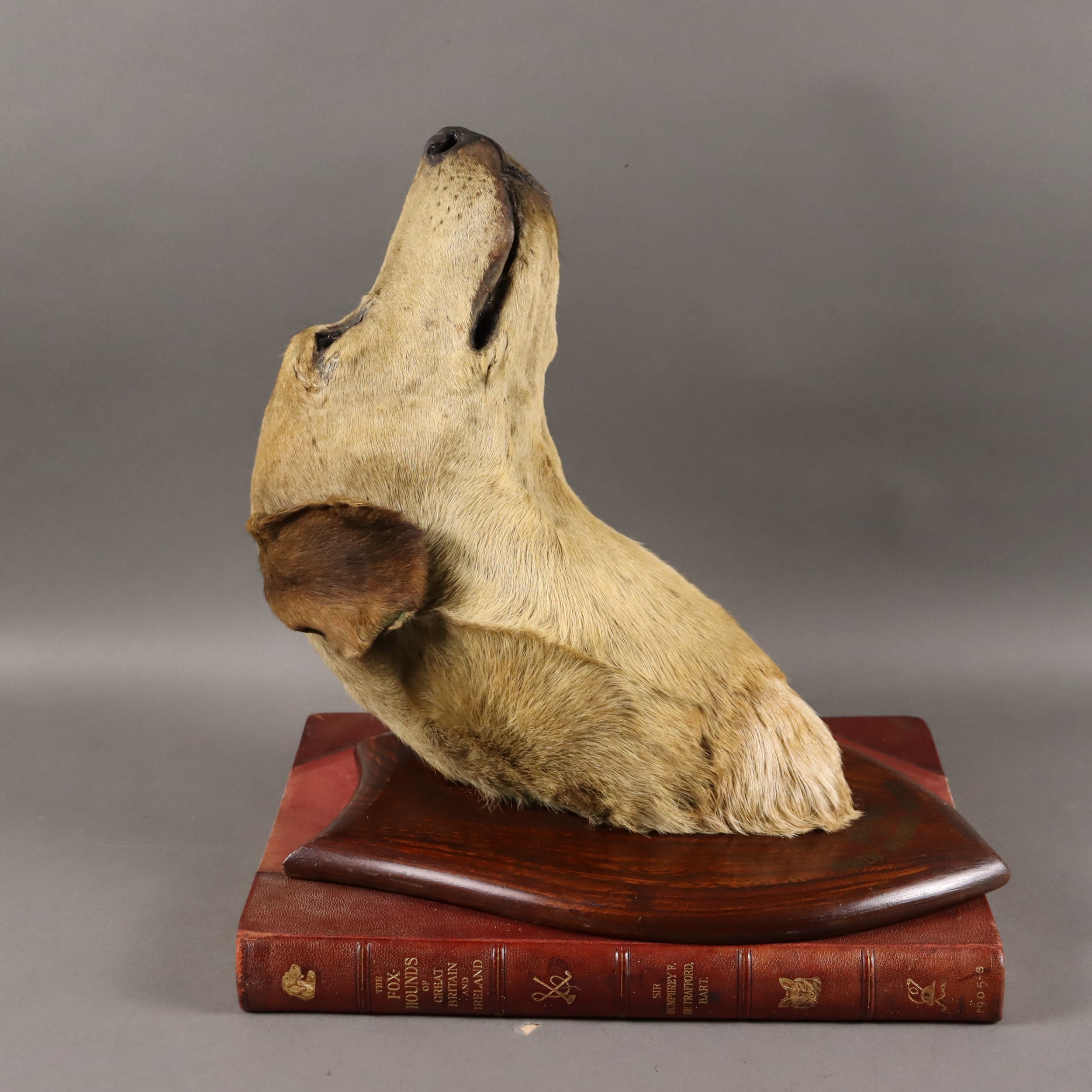
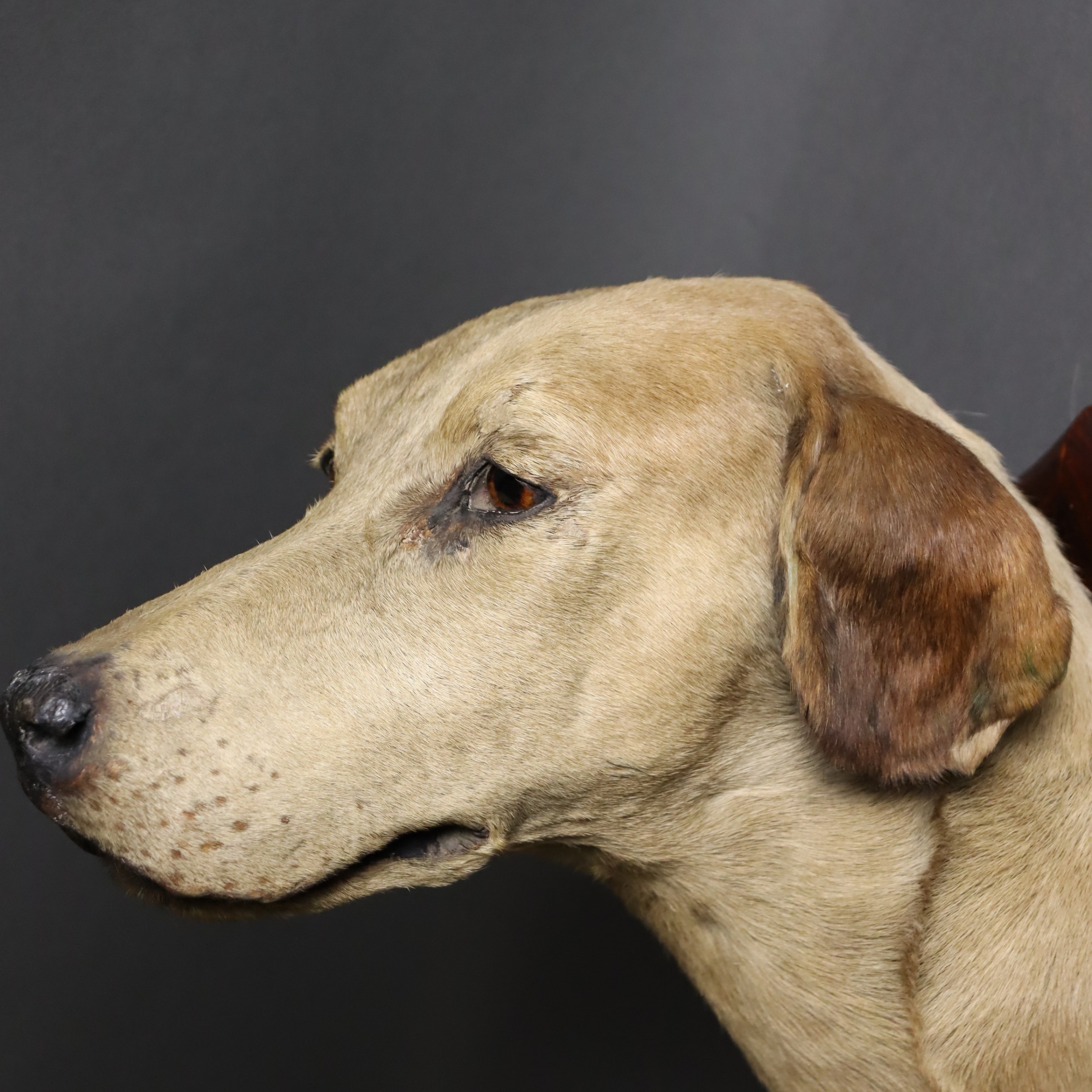
Archive II A Victorian taxidermy foxhound head with tan fur facing upwards, mounted on a polished oak shield board. View II
Archive III A Victorian taxidermy foxhound head with tan fur facing upwards, mounted on a polished oak shield board. View III
Archive IV A Victorian taxidermy foxhound head with tan fur facing upwards, mounted on a polished oak shield board. View IV
Archive V A Victorian taxidermy foxhound head with tan fur facing upwards, mounted on a polished oak shield board. View V
Archive VI A Victorian taxidermy foxhound head with tan fur facing upwards, mounted on a polished oak shield board. View VI
Archive VII A Victorian taxidermy foxhound head with tan fur facing upwards, mounted on a polished oak shield board. View VII
Archive VIII A Victorian taxidermy foxhound head with tan fur facing upwards, mounted on a polished oak shield board. View VIII
Enlarged Archival View
Telephone 07880 602715
Location
Kendall House
High Street
Chipping Campden
Gloucestershire
GL55 6AG 7
United Kingdom
Verified Since May 2022
Items For Sale 149
Items Sold 451
Kendall House Antiques Ltd.
Verified Since May 2022
View Dealer Info
Location: Kendall House, High Street, Chipping Campden, Gloucestershire, GL55 6AG 7, United Kingdom
Verified
May 2022
For Sale
149
Sold
451
A Victorian taxidermy foxhound head with tan fur facing upwards, mounted on a polished oak shield board.
Victorian taxidermy – ‘Dairy Maid’ a hunts noted fox hound mounted by the famous Victorian taxidermist ‘Peter Spicer’ of Royal Leamington Spa
Ref: SA1187892
A Victorian taxidermy foxhound head with tan fur facing upwards, mounted on a polished oak shield board.
Detail View 1
Detail View 2
Detail View 3
Detail View 4
Detail View 5
Detail View 6
Detail View 7
Archival Detail
Every single antique dealer on our platform is individually approved by our internal team. We verify their professional trade history, ethical standards, and photographic quality to ensure a secure, high-standard buying environment. Upon joining, every dealer agrees to a strict 9-point code of conduct. While issues can occasionally arise, our dealers typically resolve them swiftly and directly with the buyer. In fact, since our founding in 2002, Sellingantiques has only had to step in to help resolve an issue on roughly five occasions—a true testament to the quality of our dealers and their dedication to your happiness.
Our dealers are highly experienced in packing and shipping fragile, high-value antiques. Because you are in direct contact with the dealer, you will be able to easily go through all available shipping and insurance options together to ensure your item arrives safely.
Antiques are the ultimate green purchase. By choosing historical pieces over newly manufactured goods, you completely eliminate the carbon footprint of modern mass production while preserving exceptional, timeless craftsmanship.

Victorian taxidermy involved the preservation and mounting of animal specimens, frequently commissioned to commemorate field sports, natural history studies, or working animals. These mounts were typically presented on carved or polished wooden shields or housed within glass display cases.

Victorian taxidermists utilised natural animal hides, glass eyes, and plaster or straw mannequins, secured to polished backing shields crafted from woods such as oak, mahogany, or walnut. Preservative compounds were applied to the skin during the tanning process to ensure durability.

Authentic period mounts often feature makers stamps, trade labels, or painted inscriptions on the reverse of the shield or inside the display case. Distinctive anatomical modeling and specific shield profile shapes also help identify historic taxidermists.

Interior designers place taxidermy mounts on gallery walls, above mantelpieces, or within study spaces to introduce historical texture. These pieces integrate with English country house, traditional library, and maximalist interior themes.

Mounts should be kept away from direct sunlight, damp conditions, and direct heat sources to prevent hide degradation or fading. Regular gentle dusting with a soft dry brush helps preserve the fur and wood finish.
items
Add keywords to the filter
Price
£100
£250000
Era
Movements
Material
Origin
Stock Location
Freshness
Online Payments
Categories