



Victorian Hunting Trophy
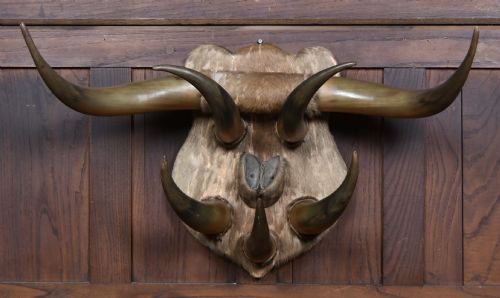
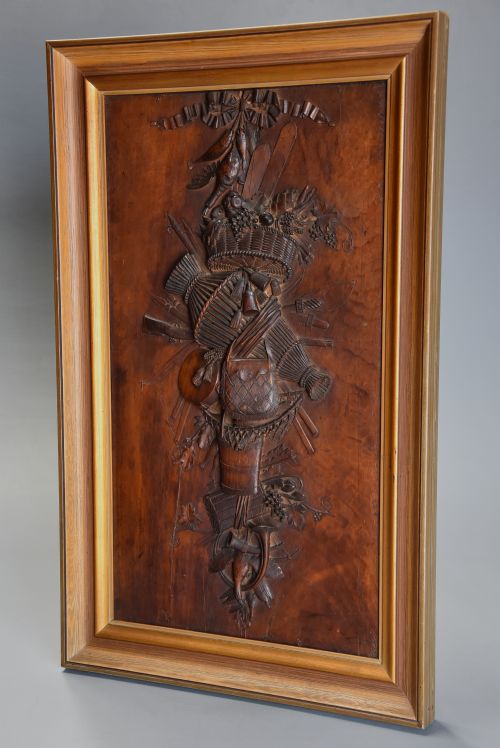
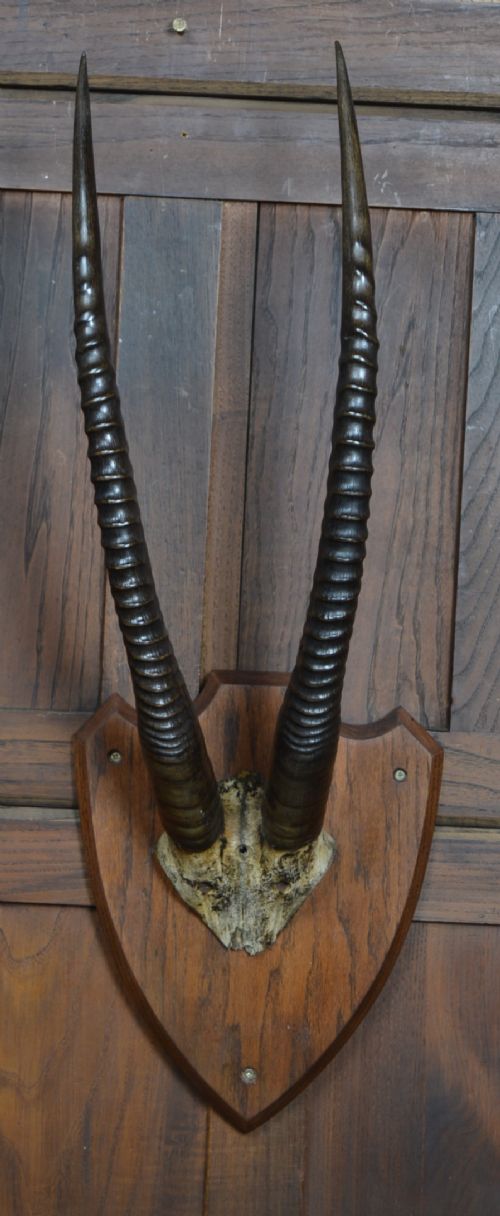
These pieces of victorian hunting trophy bring the drama of the sporting estate indoors through taxidermy, carved wood, and mounted horns.
Victorian Hunting Trophy
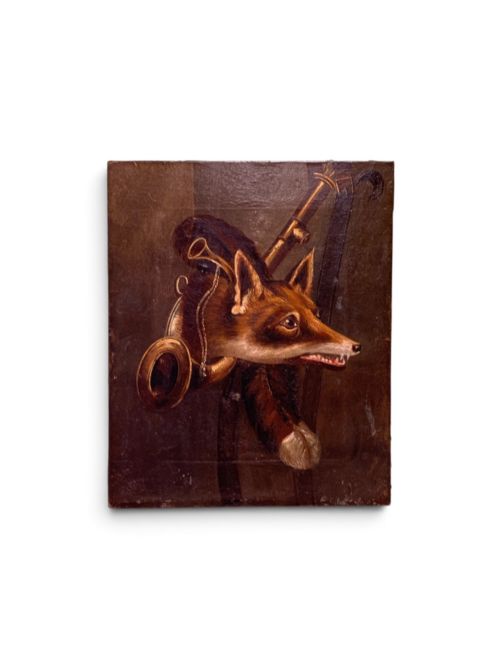
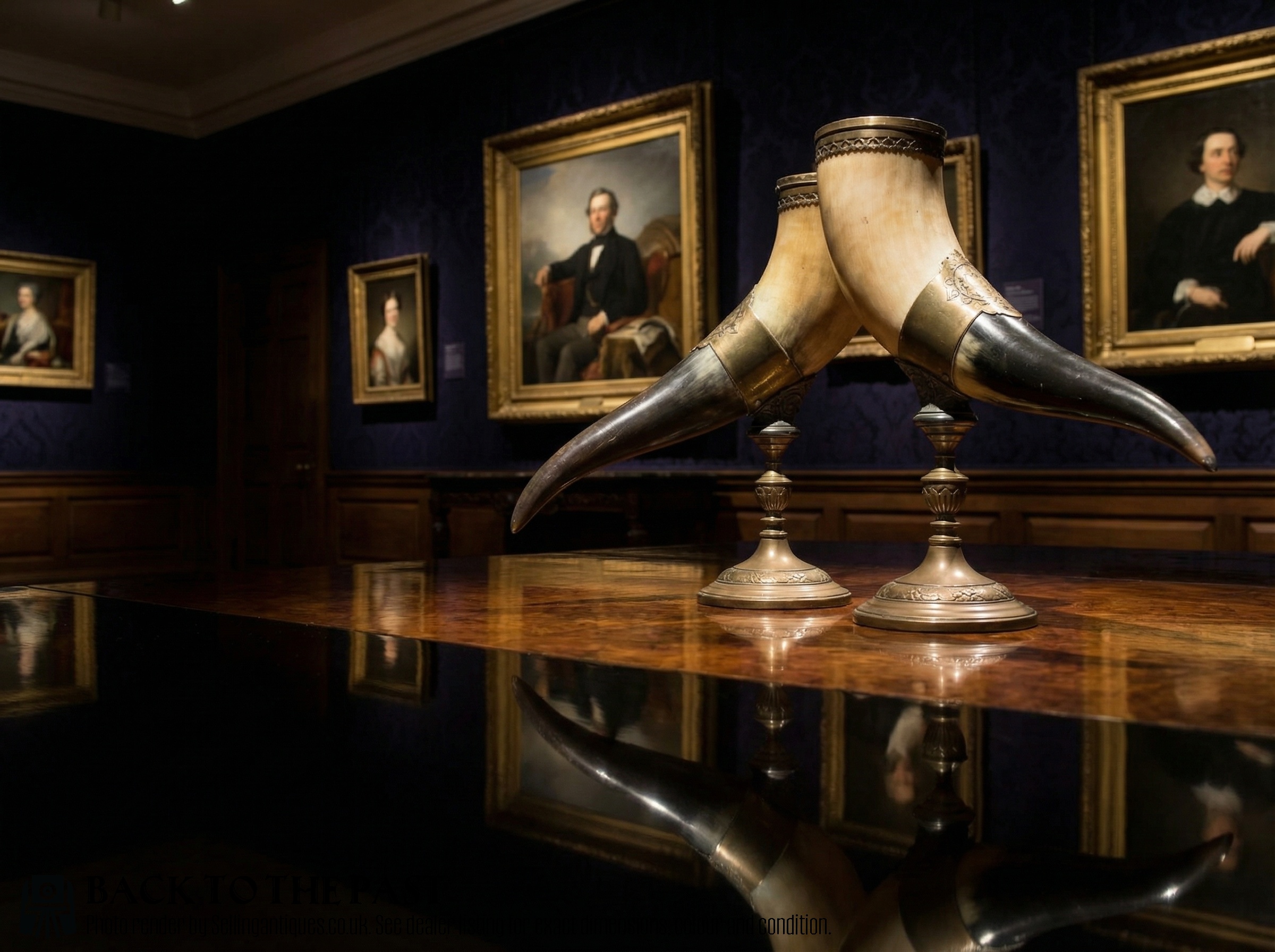
A victorian hunting trophy encompasses taxidermy mounts, taxidermy trophies, taxidermy mount and wall plaques, alongside oil painting and sculptures. You encounter pieces spanning the nineteenth century, Edwardian era, and up to the mid-twentieth century.
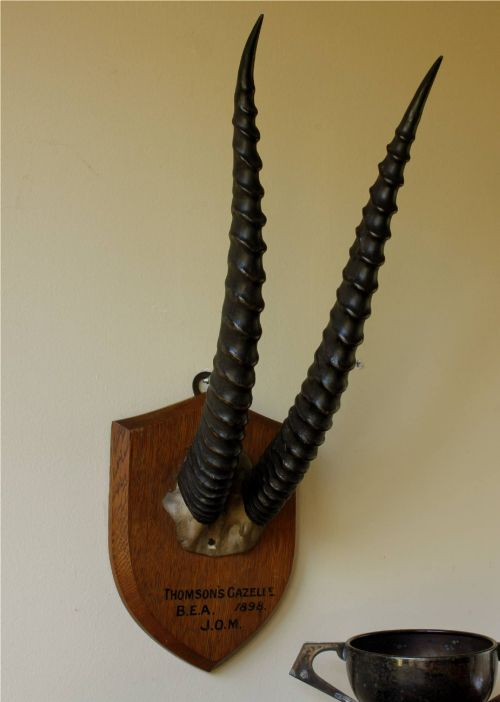
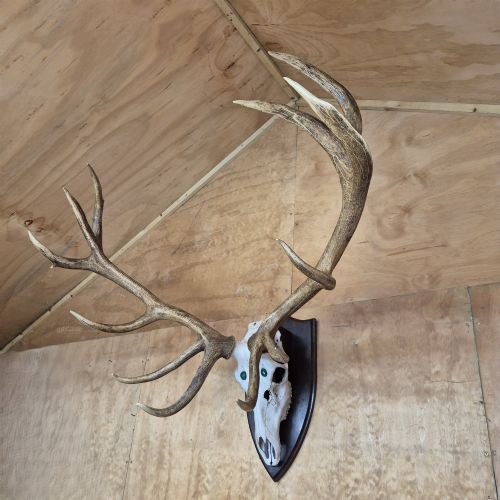
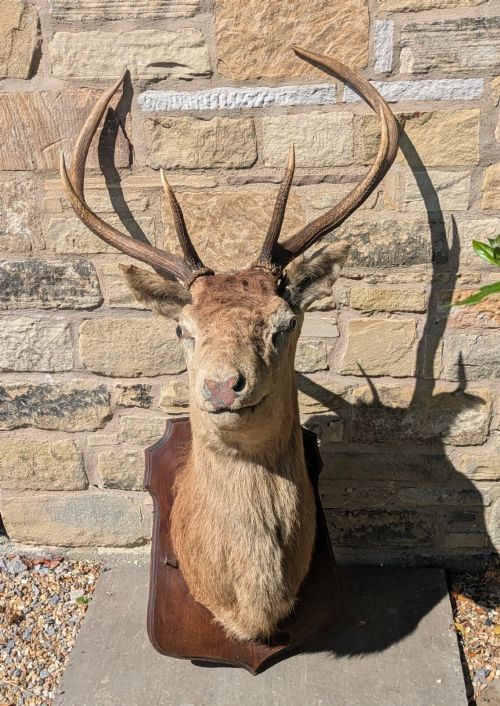
The dominant forms include stags' heads, mounted antelope and gazelle horns, red deer antlers, and waterbuck heads. Alongside these large wall displays sit smaller functional items like inkwells, table lamps, and carved wooden plaques.
Origins stretch from British sporting traditions to continental workshops, including specific Black Forest styles and Highland hunting lodge aesthetics.
How they were made
Taxidermy mounts utilise natural hide, bone, and horn mounted upon timber shields, oak panels, or carved wooden plaques. Preservation and mounting required skilled taxidermists to shape skins over internal forms while securing natural antlers and horns.
Carved pieces employ fruitwood, oak, and timber, shaped by hand into intricate animalier sculptures, fruitwood trophy carvings, and brass-mounted horn assemblies.
Listings feature oak, horn, bone, natural hide, timber, glass, antler, and wood across the nineteenth and twentieth centuries.
What varies in quality
Quality rests upon the natural proportions of the specimen, the symmetry of the antlers or horns, and the anatomical accuracy achieved in taxidermy mounts or bronze sculptures.
The sophistication of the mounting determines the piece, separating standard commercial output from exhibition quality carvings and documented work by noted taxidermists.
Peter Spicer
The Victorian Hunting Trophy Glossary
- Taxidermy
- The art of preparing, stuffing, and mounting the skins of animals for display. It forms the foundation of most mounted animal trophies.
- Animalier
- A nineteenth-century artistic style focusing on the realistic depiction of animals, frequently seen in bronze sculptures and carvings.
- Black Forest
- A nineteenth-century style of intricate wood carving originating from the German region, known for deep relief plaques and hunting motifs.
- Mask
- In taxidermy terminology, the head and neck portion of an animal preserved for wall hanging, such as a fox mask.
Victorian Hunting Trophy: Frequently Asked Questions
How do I hang a heavy stag head?
Large mounts require secure wall fixings directly into masonry or structural timber studs rather than standard plasterboard hooks. Given the weight of antlers and wooden shields, proper load-bearing support is essential.
Position the piece at a height where the animal appears natural, allowing sufficient clearance for the span of the horns within the room.
What materials make up these trophies?
The listings combine natural animal elements such as horn, bone, natural hide, and antler with structural supports of oak, timber, and brass. Each component reflects the nineteenth-century reliance on organic materials for both utility and display.
Preserved specimens use the original skin and hair over shaped forms, paired with carved wooden shields or brass mountings.
How do I care for antique taxidermy?
Keep mounted specimens away from direct sunlight and damp conditions to prevent the natural hide and fur from drying out or degrading. Gentle dusting with a soft brush helps maintain the surface without damaging delicate hairs.
Avoid chemical cleaning sprays, relying instead on dry maintenance to preserve the nineteenth-century materials.
Are these pieces from the Victorian era?
The selection spans the nineteenth century, Victorian period, Edwardian era, and extends into the mid-twentieth century. Styles range from British sporting and Highland traditional to continental Black Forest production.
Each piece carries the stylistic markers of its specific decades, from exhibition quality carvings to functional items like inkwells and lamps.